

Garage Door Opener Repair in Frostproof, FL
Garage door opener repair in Frostproof, FL. Logic board, capacitor, gear, and sensor fixes same day. Call Rocket at (863) 624-3191.
Call (863) 624-3191Frostproof sits on the Lake Wales Ridge at 82 feet, wedged between Lake Clinch and Lake Reedy, with a housing stock that turns over slowly. That means a lot of 1990s and early 2000s openers are still running in garages here, and when they act up, the question is whether we can get the right part or whether replacement makes more sense. We diagnose by symptom, carry common boards and capacitors on the truck, and tell you the truth about parts availability.
 (863) 624-3191GET IMMEDIATE SERVICE!
Garage Door Opener Repair Across Frostproof
Frostproof's population has drifted down slightly since 2010, from about 2,992 to 2,877 at the last count, and that slow turnover shows up in the openers we service. A lot of homes here still run openers that were installed when the house was built in the 1990s or early 2000s. Some are working fine. Others are starting to fail in ways that owners have been tolerating for a year or two because the door still moves, most days.
We cover Frostproof from our Winter Haven base, about 25 miles north via US 27. The drive is around 30 minutes in normal conditions, which means we can get to most calls inside Frostproof city limits and the surrounding ZIP 33843 area within a reasonable morning or afternoon window. Our trucks carry logic boards, capacitors, drive gears, sensors, and remotes for the brands we see most often in central Florida, so the first visit is usually the only visit.
Opener repair is cheaper than opener replacement in most cases we handle, but not always. A lot depends on age, brand, and what actually failed. We walk through that decision with you on site, with an honest parts-and-labor quote before any work starts.
The tech who shows up at your Frostproof home is the tech who does the job. We do not run sales staff who quote the work and hand it off. The same set of eyes that diagnoses the problem is the set of hands that fixes it, and that keeps the diagnosis honest.
Frostproof was incorporated in 1921, and while most garages we work on were built in later waves of development, the older sections of town still surprise us with hand-me-down openers, DIY modifications, and odd electrical setups that require patience to work through. We take the time to understand what we are looking at before we start swapping parts.
Reading Opener Symptoms: What the Behavior Tells Us
An opener that hums but does not move points to a capacitor, a seized gear, or a broken spring on the door itself that the opener is trying to lift against. An opener that clicks and does nothing usually has a dead main board or a burned relay. An opener that runs for a second and then reverses is almost always a sensor or travel-limit problem, not a motor problem.
A door that starts down and then backs up on its own is telling us the photo eyes are blocked, misaligned, or have a broken wire. A door that opens halfway and stops is usually a force-limit issue or a worn trolley. When the wall button works but the remotes do not, the receiver board is the likely suspect, not the motor.
Erratic behavior, where the opener works sometimes and fails other times, is often a failing logic board that has not fully died yet, a loose wire connection that vibrates open and closed, or a failing photo eye with an intermittent short. We track symptoms over several cycles before committing to a diagnosis.
We run through these checks in a set order on every call so we do not waste your time on guesswork. The symptoms tell most of the story before we pull a cover off.
Before we open any housings, we also ask the homeowner what happened and when. A door that got weird right after a storm points one direction. A door that slowly got louder over months points another. A door that failed right after somebody bumped it with a car points a third. The backstory narrows the list of likely faults faster than any meter reading.
Repairing 1990s-Era Openers Still in Service
We still see plenty of chain-drive openers in Frostproof garages that were installed when the neighborhoods were built. Brands like Genie, LiftMaster, Chamberlain, Craftsman, and the older Sears-badged units are common. Many of them are mechanically fine but suffering from a single worn part.
The good news is that drive gears, trolleys, chains, sprockets, and sensors for these older units are often still available, either from the original manufacturer or from aftermarket suppliers who kept making compatible parts. A worn nylon drive gear on a 25-year-old chain opener is a routine fix. So is a stretched chain, a stripped sprocket, or a cracked trolley.
The harder failures are the electronic ones. Main boards for some discontinued units are no longer available new, and the used-parts market is uneven. We will tell you honestly when a board is obsolete and what your realistic options are, including whether a compatible universal board makes sense or whether a full opener replacement is the smarter spend.
One pattern we watch for on these older units is the homeowner who has been nursing the opener along for years with small workarounds, like hitting the wall button twice to get the door to commit, or giving the door a little shove to help it along. Those workarounds usually mean a single underlying fault that has been growing quietly. Once we find and fix it, the opener feels new again without a full replacement.
Logic Board and Capacitor Failures After Summer Storms
Central Florida summer storms produce a lot of voltage spikes on residential circuits, and opener logic boards are one of the first things to take damage. A direct hit is rare. Nearby strikes and grid surges are common, and they can burn a trace on the board, fry a relay, or kill the receiver without any outward sign that anything happened.
A capacitor failure looks different. The motor hums but does not turn, or it starts weakly and stalls. Capacitors degrade gradually over years of Florida heat, and they often finally give up after a hot summer. Replacement is inexpensive and fast when we have the right value on the truck.
If your opener went strange right after a thunderstorm rolled through, we check the board and the receiver first, then the capacitor, then the motor winding. Most of the time it is one of the first two. After the repair we often recommend adding a whole-garage surge protector on the opener circuit, which is a modest add-on and reduces the chance of the same failure repeating next storm season.
Gear, Sprocket, and Drive Train Wear on Older Chain Openers
Chain-drive openers use a plastic or nylon drive gear inside the head unit that meshes with the motor pinion. After 15 to 25 years of daily cycles, that gear wears down. You hear it first as a grinding noise, then the opener stops moving the door even though the motor is running.
Replacement is a standard job. We pull the head cover, remove the worn gear, clean the old grease, install the new gear and sprocket, pack fresh grease, and re-tension the chain. On some brands we also replace the helical gear in the same operation because they wear together and doing one without the other gets you back in the same spot within a year.
Belt-drive openers use a reinforced rubber belt that tends to last longer than a chain but can still stretch or develop a cracked reinforcement over time. Direct-drive and jackshaft units have their own wear patterns, usually around the drive mechanism bearings or the cable drum assemblies, and we diagnose each type on its own terms rather than assuming every opener fails the same way.
Sensor and Wiring Repairs on Detached Garage Installations
A number of Frostproof properties have detached garages or workshops with openers installed on longer sensor-wire runs. Rodents, weather, and old staples take a toll on that wire over the years. A sensor that will not align, an opener that reverses for no reason, or a wall button that only works sometimes often points back to a wire problem rather than the opener itself.
We trace the runs, find the break or short, and either repair the splice properly with soldered joints and heat shrink or pull new wire where the old run is too damaged to trust. On detached garages we also check the GFCI outlet the opener is plugged into, because a failing outlet that trips under load mimics opener problems and sends a lot of technicians chasing the wrong fault.
Sensor bracket damage from lawn equipment, bumped cars, or corroded metal on lakefront properties is another common finding. We replace brackets, realign sensors, and test the safety reversal under full-travel conditions before we leave.
Travel Limits and Force Adjustments After Repair
Every opener repair ends with a calibration pass, not just a part swap. Travel limits tell the opener where fully-open and fully-closed are, and force settings tell it how hard to push before giving up. When either is off, the door either crashes into the floor, fails to latch closed, reverses midway, or keeps running after the door is already open.
We set travel limits by running the door through several full cycles and adjusting until it stops in the right place, then we set force so the door stops and reverses if it meets even light resistance. Auto-reverse testing with a two-by-four flat on the floor is part of every opener repair we do. If the door does not reverse cleanly when it meets that block, the opener is not safe to leave in service, and we either adjust until it does or replace the components that are preventing proper safety operation.
This calibration step is what separates a repair that lasts from one that falls apart in a month. Skipping it is the single most common corner we see cut by cheaper shops.
When Repair Beats Replacement and When It Does Not
A rough rule we use: if the opener is under 15 years old, still has available parts, and has only one thing wrong with it, repair makes sense. If it is over 20 years old, has multiple problems stacking up, has a board we cannot source, or is a chain-drive unit loud enough to wake the neighbors, replacement usually wins on value.
Safety is the other factor. Older openers without modern photo-eye safety systems, or with auto-reverse force settings that cannot be properly tuned, should be replaced rather than patched. We will not put a new board in a unit that cannot be made safe.
When replacement is the right call, we quote the job honestly with labor included and explain the drive type choices so you know the trade-offs between chain, belt, direct drive, and jackshaft. When repair is the right call, we fix it and move on without pushing an upsell that does not serve you.

Other cities near Frostproof
Based in Winter Haven, covering every major city in Polk County. Click any city for local service details.
Other garage door services we offer
Garage Door Opener Repair
Garage door opener not working? Same-day opener repair in Polk County, FL. All brands serviced. Diagnostic and
Learn MoreGarage Door Repair in Polk County, FL
Fast garage door repair in Winter Haven and Polk County, FL. Broken springs, cables, openers, and panels fixed
Learn MoreGarage Door Spring Replacement
Garage door spring replacement in Winter Haven and Polk County, FL. Torsion and extension springs replaced sam
Learn MoreGarage Door Opener Installation
Garage door opener installation in Polk County, FL. LiftMaster, Chamberlain, and smart openers. Professional s
Learn MoreGarage Door Installation in Polk County, FL
New garage door installation in Winter Haven and Polk County, FL. Insulated, hurricane-rated, and custom doors
Learn MoreEmergency Garage Door Repair
Emergency garage door repair in Winter Haven and Polk County, FL. Available 7 days a week for urgent repairs.
Learn MoreOther garage door services in Frostproof
Garage Door Repair in Frostproof, FL
Garage door repair in Frostproof, FL. Same-day service for broken springs, cables, tracks, rollers. Call (863)
Learn MoreGarage Door Installation in Frostproof, FL
New garage door installation in Frostproof, FL. Insulated and storm-rated doors for Polk County code. Call (86
Learn MoreGarage Door Opener Installation in Frostproof, FL
Garage door opener installation in Frostproof, FL. Belt, chain, and direct-drive systems with battery backup.
Learn MoreGarage Door Spring Replacement in Frostproof, FL
Torsion and extension spring replacement in Frostproof, FL. High-cycle springs sized to your door weight. Call
Learn MoreGarage Door Emergency Services in Frostproof, FL
24/7 emergency garage door service in Frostproof, FL. Stuck doors, snapped springs, and storm damage handled s
Learn MoreFrequently Asked Questions
My opener buttons stopped working but the motor hums. What is wrong?
+
How much does opener repair cost in Frostproof?
+
Can you still find parts for an older Sears or Craftsman opener?
+
After a thunderstorm my opener went dead. What failed?
+
How old is too old to repair an opener rather than replace it?
+
Articles and guides for homeowners
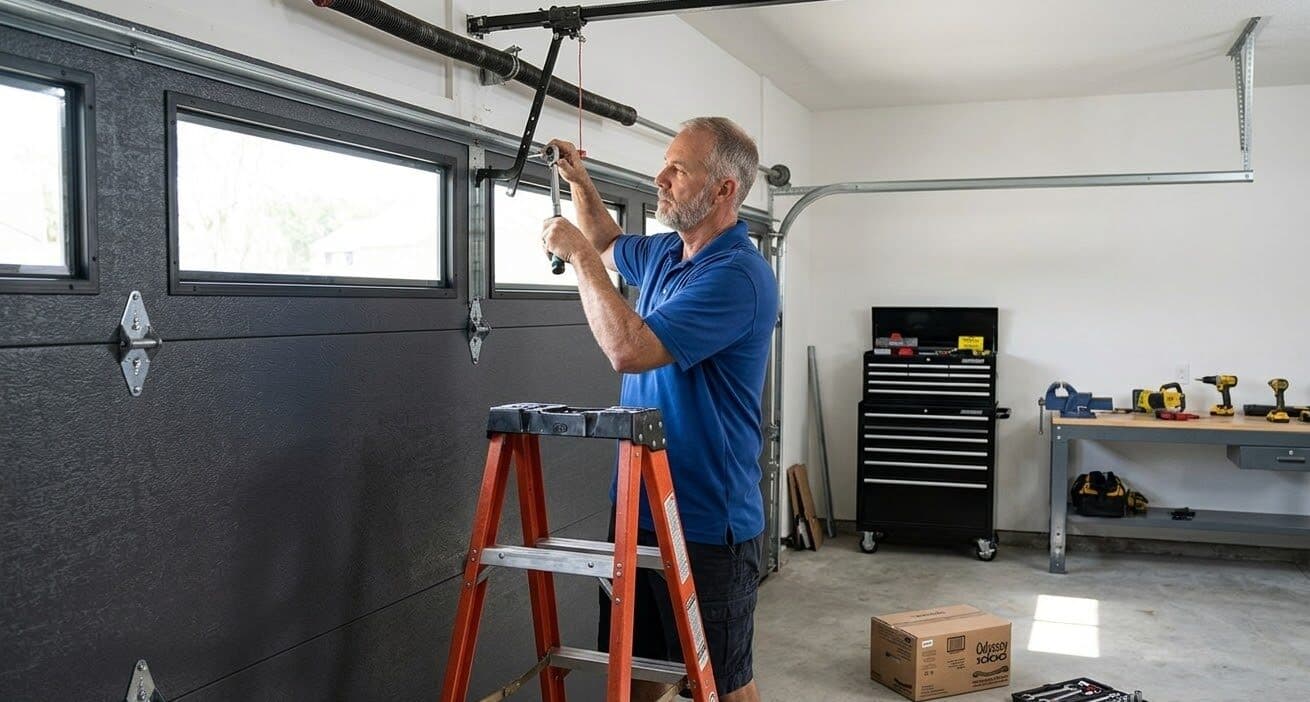
Garage Door Spring Replacement Cost Florida 2026
<p style="font-size: 17px; line-height: 1.7;">A broken garage door spring in Florida typically costs about $150 to $355 to replace on a standard single-spring job in 2026, and a pair of torsion springs on a two-car door usually runs more. Here is what drives the price, why replacing both springs usually saves money, what a fair quote includes and which quoting patterns to watch for.</p>
Read Article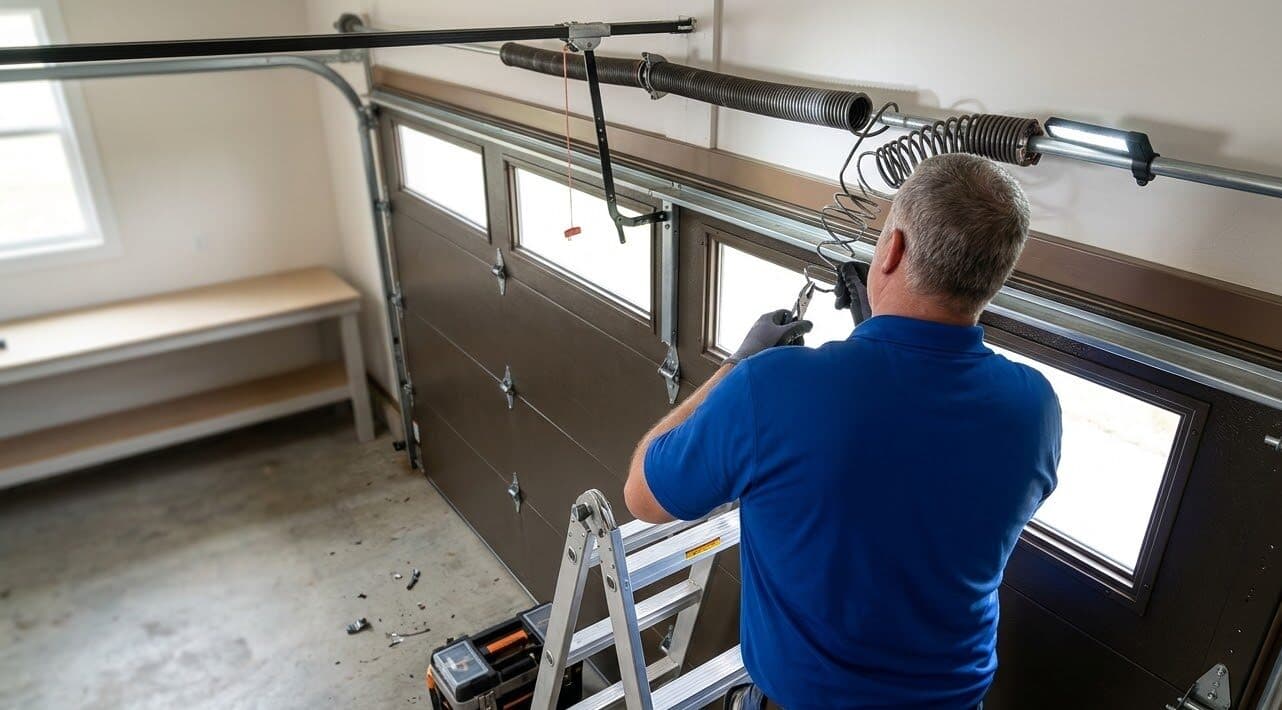
Reset Garage Door After a Power Outage (Florida)
<p style="font-size: 17px; line-height: 1.7;">When the power comes back after a Florida storm, the garage door opener does not always come back with it. Usually the trolley is still disconnected from the release cord, the travel limits got confused, a surge hit the logic board or sensors, or the battery backup is drained. Here is how to check the door safely first, reconnect the opener, reset limits and remotes, spot surge damage, and get the battery backup ready for the next outage.</p>
Read Article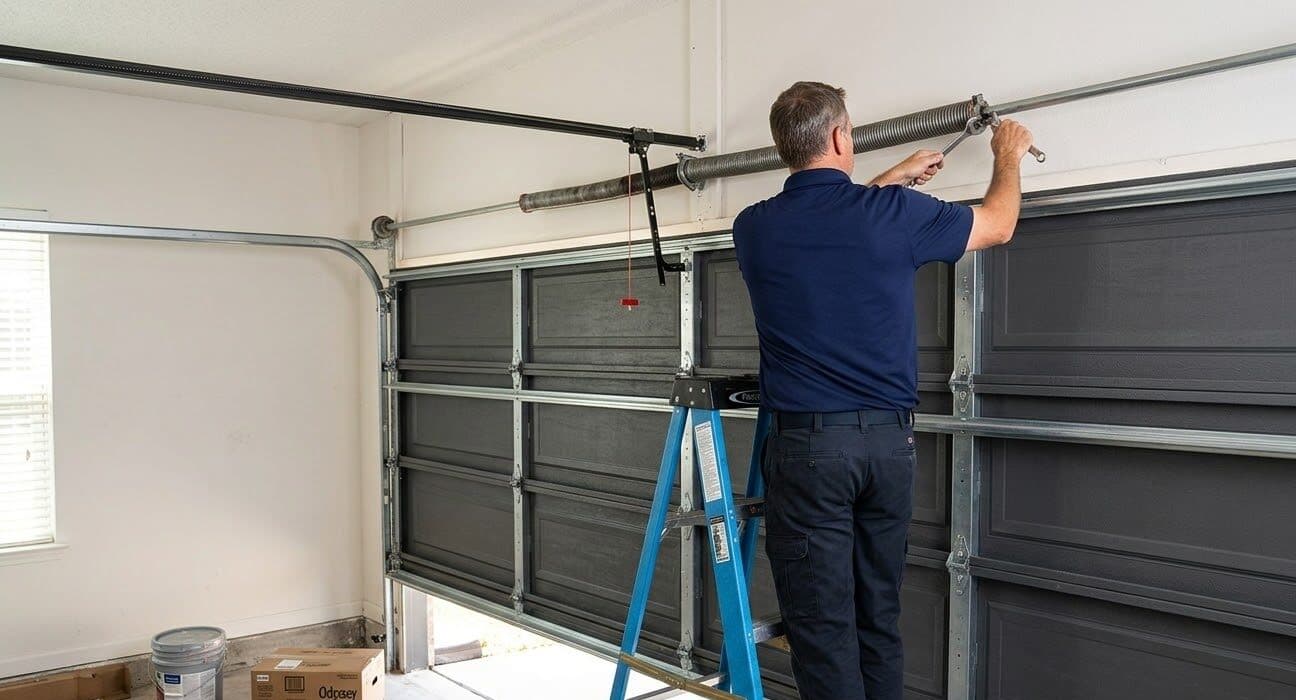
How to Program Your Garage Door Opener to Your Car in 2026
<p style="font-size: 17px; line-height: 1.7;">The garage button in your car usually learns your remote on the first try and still does not open the door. That is because every rolling code opener needs a second step: pressing the Learn button on the motor and sending the car signal within about 30 seconds. Here is the full HomeLink sequence in the order it has to happen, how to read the indicator light, the repeater fix for Security+ 2.0 openers and older cars, how to erase HomeLink before you sell a vehicle, and the Florida heat and storm issues that make you repeat it more often than you should.</p>
Read ArticleNeed a Garage Door Fixed?
Same-day service. Lifetime warranty on springs. Transparent pricing. Call now or book service online.