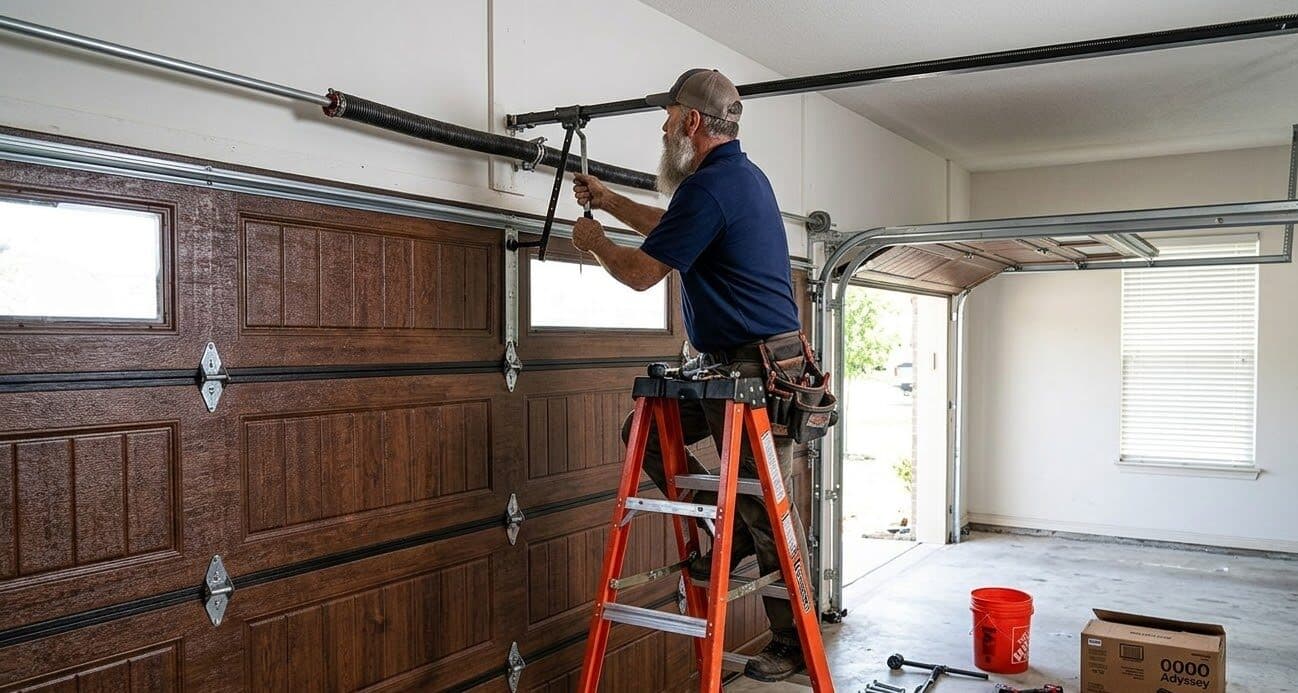
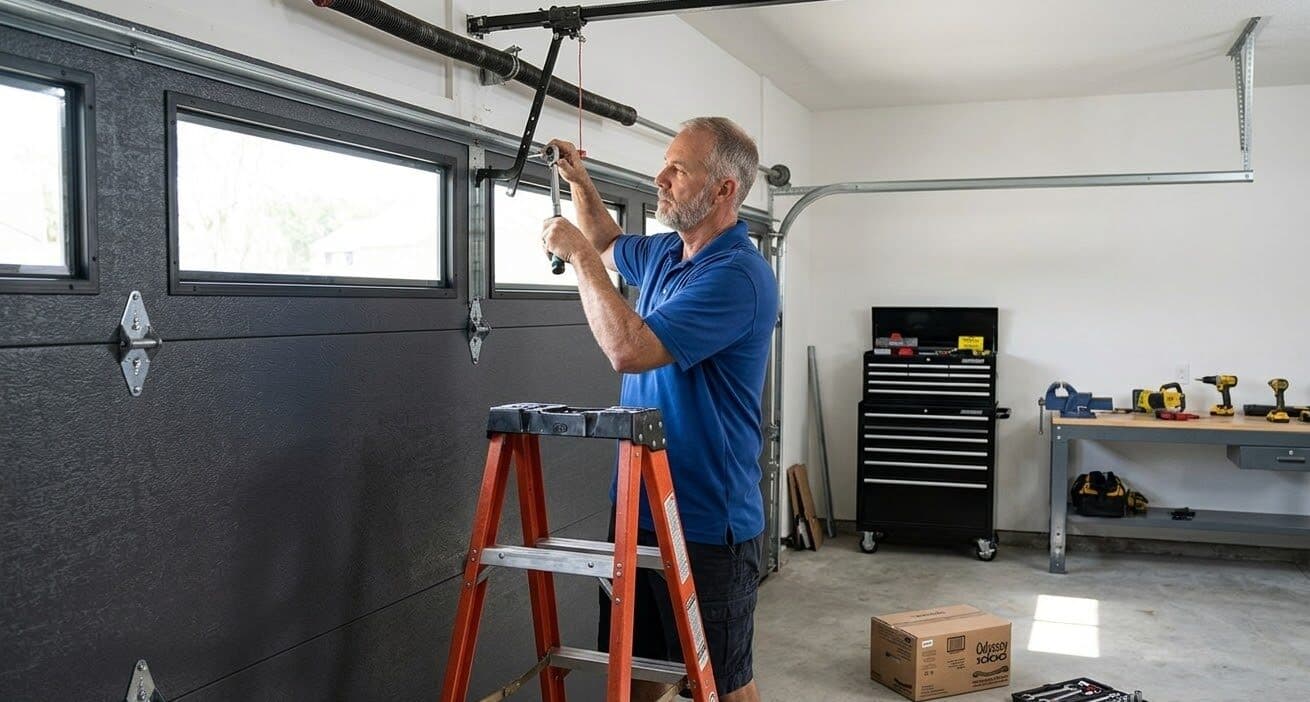
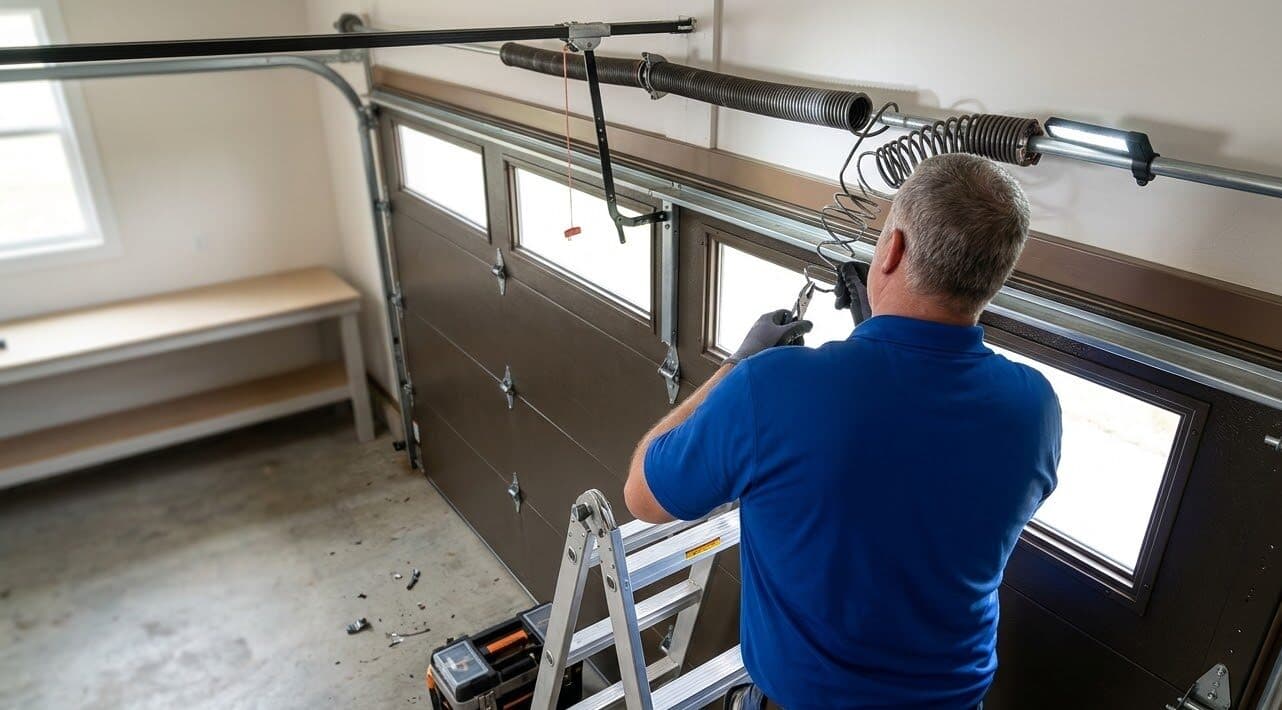
R-Value Is the Spec, Not a Sticker

Walk into any garage door showroom in Florida and the word insulated gets used loosely. A door with a thin foam board glued to the back is called insulated. So is a door with foam injected edge to edge between two steel skins. They are not the same product, and the number that separates them is the R-value. It is the single spec that tells you how well the door slows heat, and in a Florida garage it is the number that decides your summer cooling bill.
Here is the honest version. R-value measures a material's resistance to heat flow, and higher is better. A higher R-value means the door transfers less heat between your hot driveway and your attached garage, which means less heat leaking into the house and less work for your air conditioner. This guide explains what the numbers actually mean, the two ways a door reaches them, and why an R-12 or better door pays for itself in about four years of Florida cooling savings. If you want the wider view of garage energy loss, our guide to energy-efficient garage doors in Florida covers the door alongside the seals and the walls.
What R-Value Actually Measures
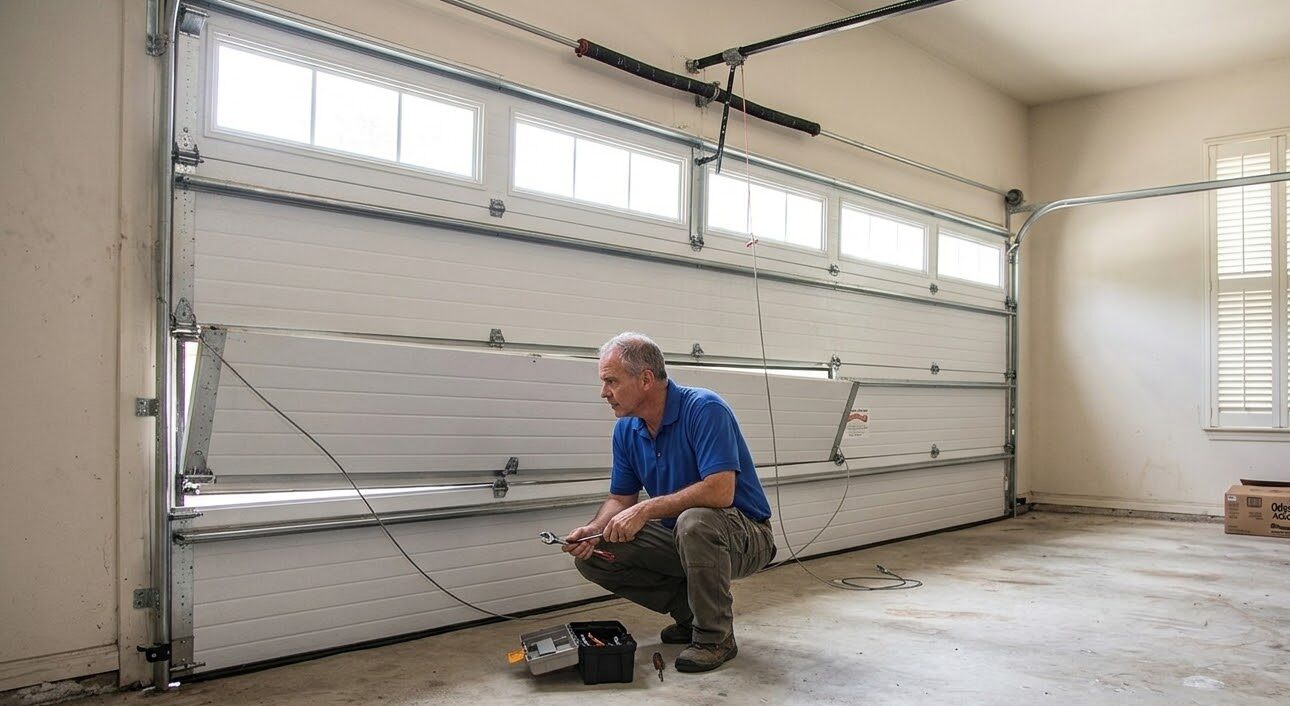
R-value is resistance to heat transfer. The higher the R-value, the slower heat moves through the material, in either direction. In a cold climate that means keeping heat in. In Florida it means keeping heat out, which is the job that matters here for ten months of the year.
The important thing to understand is that R-value is not linear in feel. The jump from an uninsulated door to an R-9 door is enormous, because you are going from almost no resistance to real resistance. The jump from R-9 to R-18 is smaller in everyday experience, though it still counts on an attached garage that shares a wall with living space. That is why the right question is not always the highest number. It is the right number for how your garage is built and used.
One more point that trips people up. A garage door's stated R-value is the value at the insulated section, not the whole assembly. Gaps at the perimeter, a worn bottom seal, and the seams between panels all leak heat that the panel rating does not account for. The rating is the ceiling. The installation and the seals decide how close you get to it.
Single, Double, and Triple Layer Construction
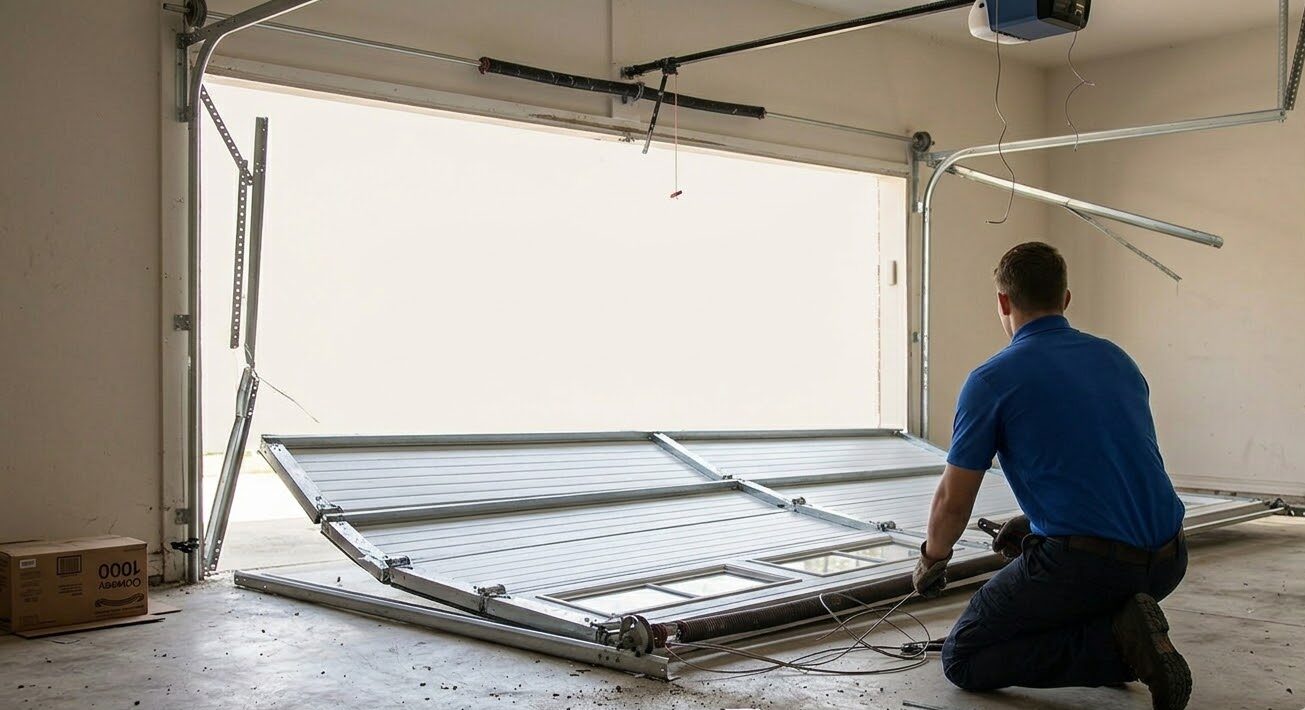
Before the R-value makes sense, you have to know how the door is built, because construction and R-value move together.
- Single-layer: one skin of steel, no insulation. This is the builder-grade door on most spec homes, and it has effectively no R-value. In Florida it turns an attached garage into an oven and pushes that heat straight at the shared wall.
- Double-layer: a steel skin plus a layer of insulation, usually polystyrene board. This is the entry point to a genuinely insulated door and where most homeowners should at least start.
- Triple-layer: insulation sandwiched between two steel skins, so the foam is fully enclosed. This is the strongest, quietest, most dent-resistant construction, and it is where the higher polyurethane R-values live.
The pattern is simple: more layers, more insulation, higher R-value, sturdier door, higher price. A triple-layer door is also physically stronger, which matters in a state that thinks about wind, and it ties into the broader question of choosing the right garage door in Florida.
Polystyrene vs Polyurethane: The Two Ways to Hit an R-Value
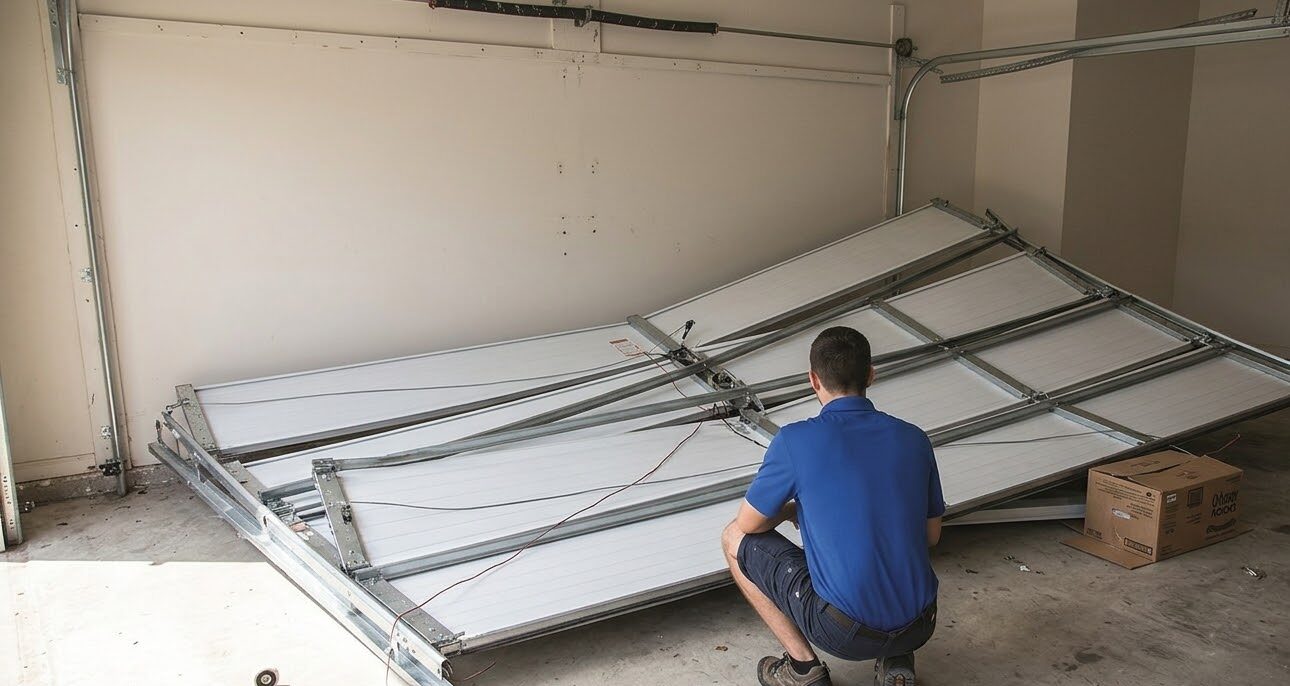
Two materials produce almost every insulated garage door, and the difference between them is the most useful thing in this guide.
Polystyrene is rigid foam board, cut to fit and slotted between the door's steel layers. It is the more affordable option and delivers R-values in roughly the R-6 to R-10 range. Because the boards are cut to fit rather than poured in, they can leave small gaps at the edges, and those gaps cost a little of the rated performance, especially as temperatures swing.
Polyurethane is liquid foam injected between the steel skins, where it expands to fill every cavity and bonds to the metal. That seamless fill is why polyurethane reaches much higher R-values, roughly R-12 to R-18, in a thinner panel than polystyrene would need. The expansion leaves no air gaps, so the door hits closer to its rated number, and the bonded foam also makes the door quieter and far more resistant to dents. The tradeoff is cost: the polyurethane process and materials run roughly 30 to 40 percent more than basic insulation.
The short version for Florida: polystyrene is a real upgrade over an uninsulated door and a fine choice on a detached garage or a tight budget. Polyurethane is the better answer on an attached garage, because the higher R-value and the gap-free fill are exactly what cut the cooling load on the wall you share with the house.
The R-Value Numbers, Side by Side
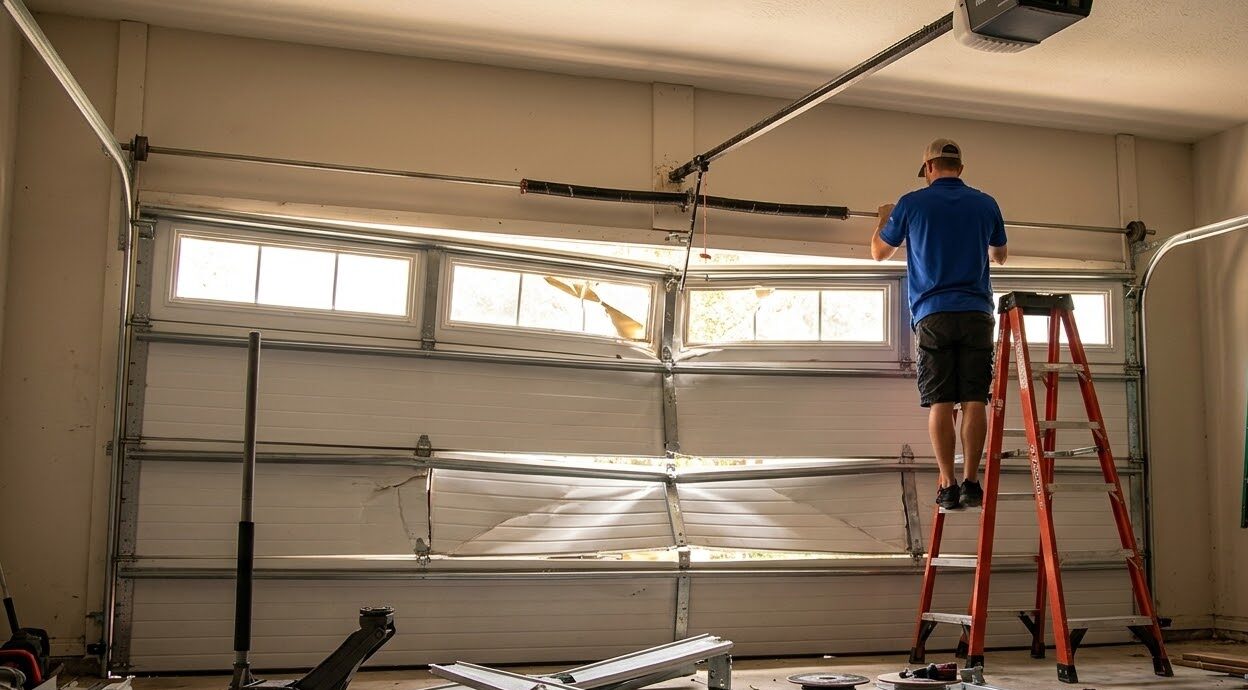
| Construction | Insulation | Typical R-value | Best for |
|---|---|---|---|
| Single-layer | None | Effectively 0 | Nothing in Florida heat; it is the problem |
| Double-layer | Polystyrene board | R-6 to R-10 | Detached garages, tighter budgets |
| Triple-layer | Polyurethane injected | R-12 to R-18 | Attached garages, rooms above, workshops |
Read that middle column against how you use the garage. If nobody lives near the garage and you just want it less brutal in July, an R-6 to R-10 polystyrene door is a big step up. If the garage is attached and shares a wall or a ceiling with a bedroom, kitchen, or office, the R-12 to R-18 polyurethane band is where the real savings and comfort live.
The Florida Math: What an Insulated Door Actually Saves
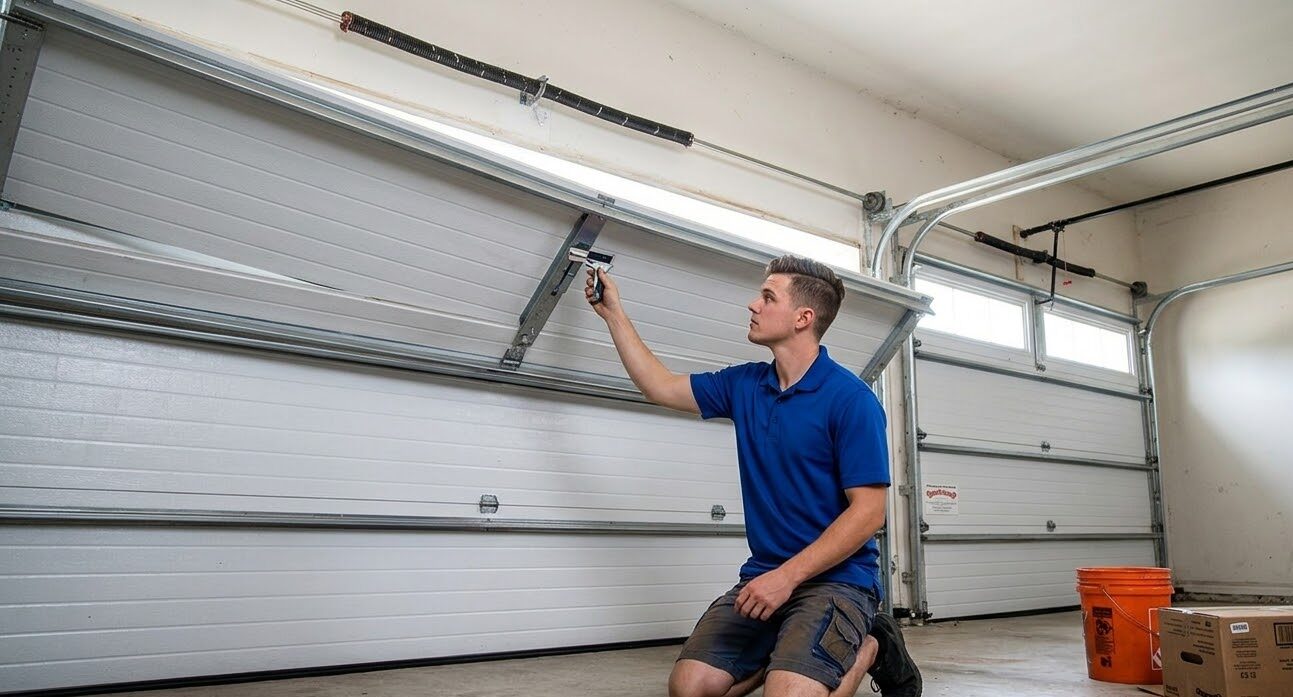
This is where the R-value stops being a spec and becomes money. An attached garage that bakes all day pushes heat through every shared surface, and your air conditioner pays for it. The U.S. Department of Energy estimates that a properly insulated garage door can cut a home's overall energy use by as much as 15 percent, which for many Florida households is hundreds of dollars a year.
Put real numbers on it. Industry cost analyses show a polystyrene door around R-9 costing roughly $400 more than an uninsulated door while saving on the order of $253 a year, which pays the upgrade back in under two years and returns thousands over the door's twenty-year life. A polyurethane door around R-16 costs more up front, roughly $1,200 over an uninsulated door, and saves on the order of $284 a year, paying back in about four years and returning a similar few thousand dollars over twenty years.
That is the payback behind the headline. An R-12 to R-16 polyurethane door in Florida recovers its premium in roughly four years of cooling savings, and everything after that is money that stays in your pocket, on a door that also happens to be quieter and tougher. The polystyrene door pays back faster in raw years because it costs less, while the polyurethane door delivers more comfort and durability for the higher spend. Neither is wrong. They fit different garages.
Why R-Value Alone Is Not the Whole Story

Here is the part a salesperson quoting you a big R-number will skip. The panel rating only pays off if the door actually seals. A high-R door with a cracked bottom seal, gaps at the jambs, or failing weatherstripping leaks conditioned comfort around the edges no matter how good the foam is.
- Bottom seal: the rubber astragal along the floor is the first thing to harden and crack in Florida sun, and a gap there undoes a lot of the panel's work.
- Perimeter weatherstripping: the seal along the jambs and header keeps hot outside air from bypassing the door entirely.
- Panel seams and hardware: a well-built door with tight sections and good hardware holds its rating; a rattly, poorly hung door does not.
The lesson is to buy the R-value and the seal together. An R-12 door with fresh, complete weatherstripping beats an R-18 door leaking around a hardened bottom seal. This is exactly why our garage door insulation and sealing work treats the panel and the perimeter as one system, and why a simple maintenance routine protects the savings you paid for.
Which R-Value Belongs on Your Door
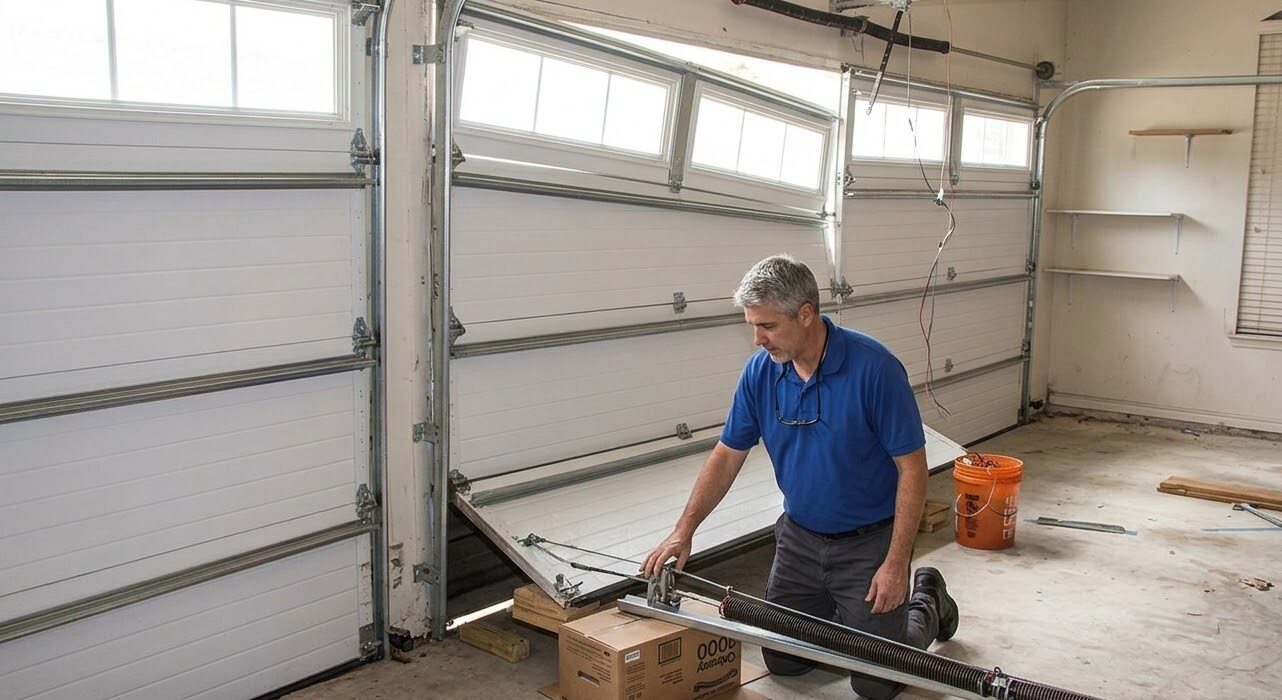
Match the number to the garage and the choice gets easy.
- Attached garage with a room above or beside it: polyurethane, R-12 to R-18. You are protecting living space, the cooling savings are real, and the quieter, sturdier door is a bonus you feel every day.
- Attached garage, no living space directly adjacent: still lean polyurethane in the R-12 range. The shared wall to the house still leaks heat, and the payback holds.
- Detached garage or workshop you want livable: polystyrene, R-6 to R-10, is a strong value. You get a far more usable space without paying for the top tier.
- Home office, gym, or converted garage: go high, R-16 or better polyurethane, because you are now conditioning that space directly and every bit of resistance counts.
- Any of the above in a wind-conscious build: remember that triple-layer polyurethane is also the stronger door, which pairs with the broader energy and durability picture.
Whatever number you land on, buy it as part of a complete door with real seals, not as a sticker on a flimsy panel. The R-value is a promise the rest of the door has to keep.
How to Buy It Right in Central Florida
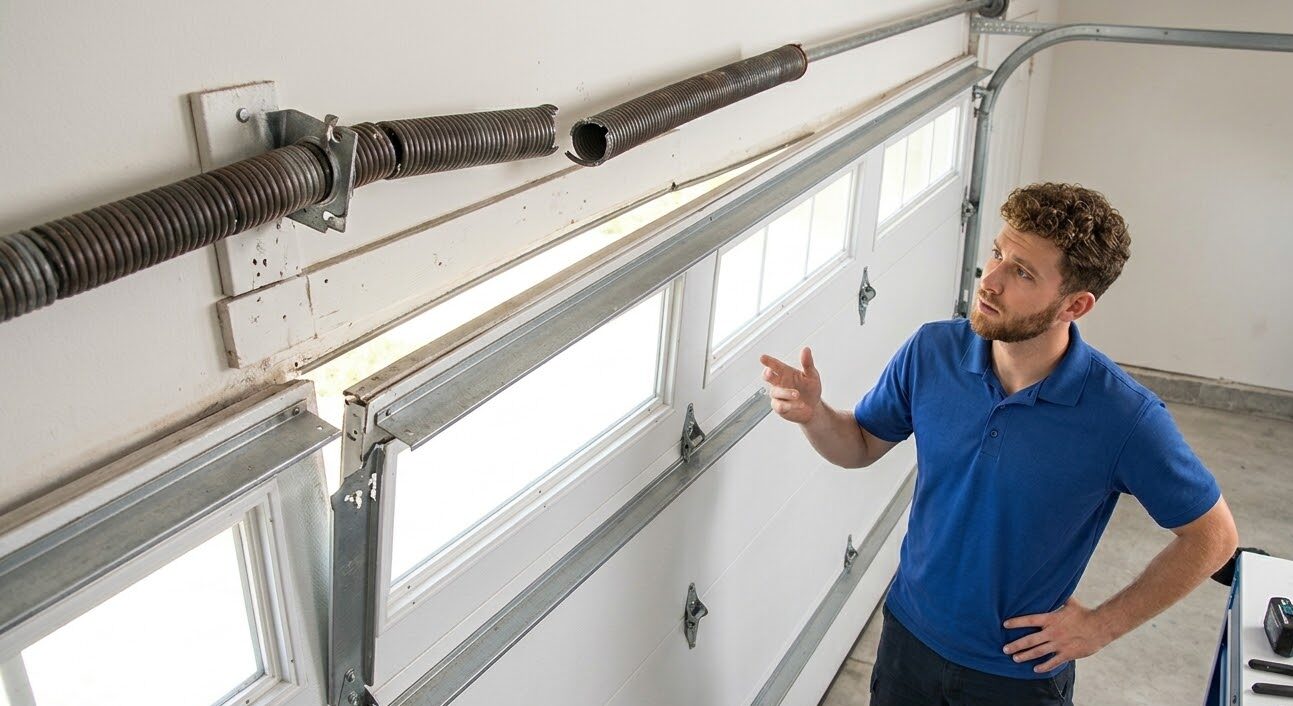
The move that wastes money is buying a high R-value on a door that is poorly built or poorly sealed, then wondering why the garage still cooks. The move that works is matching the construction to your garage, insisting on polyurethane where it counts, and having the seals installed and maintained as part of the job.
Rocket Garage Door Services installs insulated doors and seals them properly across Polk County, including Lakeland, Winter Haven, and Haines City. We will read your garage the way Florida heat does, tell you honestly whether an R-9 polystyrene or an R-16 polyurethane door fits your situation, and price the door and the weatherstripping together so the number on the spec is the number you actually get. Start with a new garage door installation or a custom garage door built to the R-value your home needs.