Springs Do Not Wear Out by the Calendar
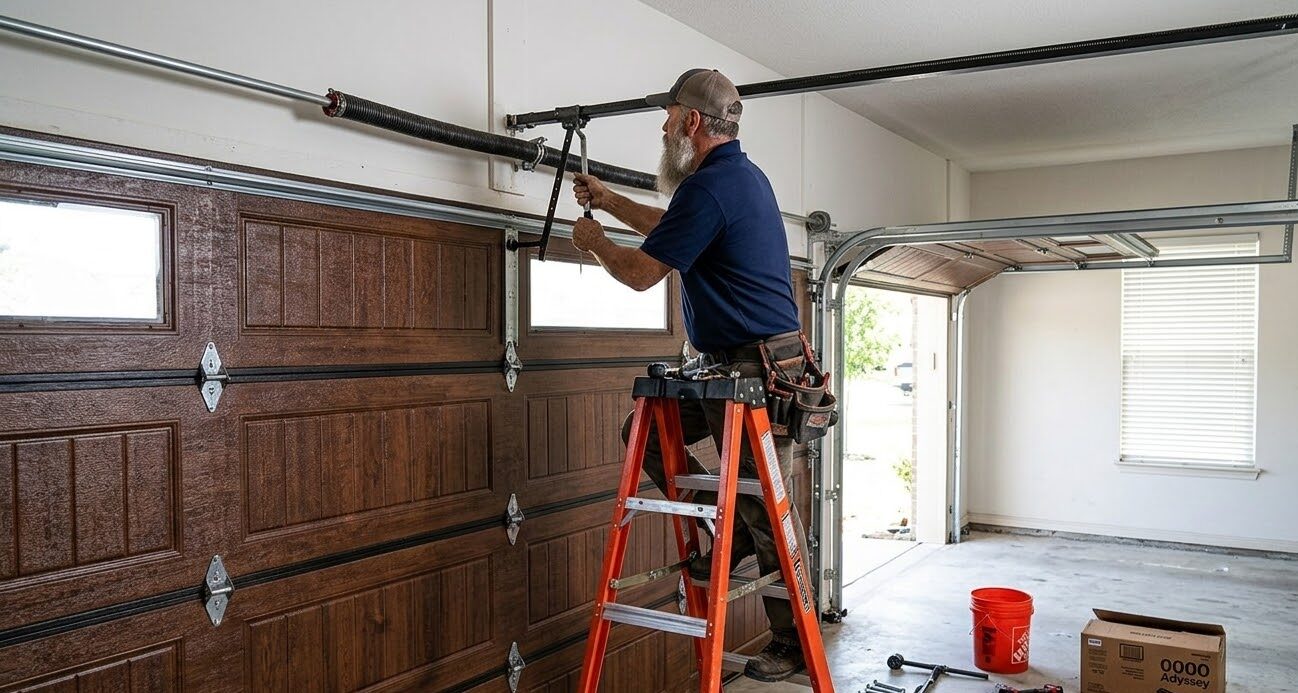
"How many years should my garage door springs last?" is one of the questions we hear most in Polk County, usually right after a neighbor's spring snapped. The honest answer is that springs do not wear out by years at all. They wear out by cycles, and how many cycles your household puts on the door each day matters far more than the date the house was built. A spring that lasts fourteen years in a retired couple's garage can be done in five in a house with three drivers, a teenager and a garage that doubles as the front door.
This guide shows you how to estimate your own spring life, what the cycle ratings actually mean, how much Florida heat and humidity really change the picture, and the simple habits that add years to a set of springs. If your spring has already broken, our guide to signs you need garage door spring replacement covers the symptoms, and the spring replacement cost guide covers 2026 prices.
What a Spring Cycle Is and How Springs Are Rated
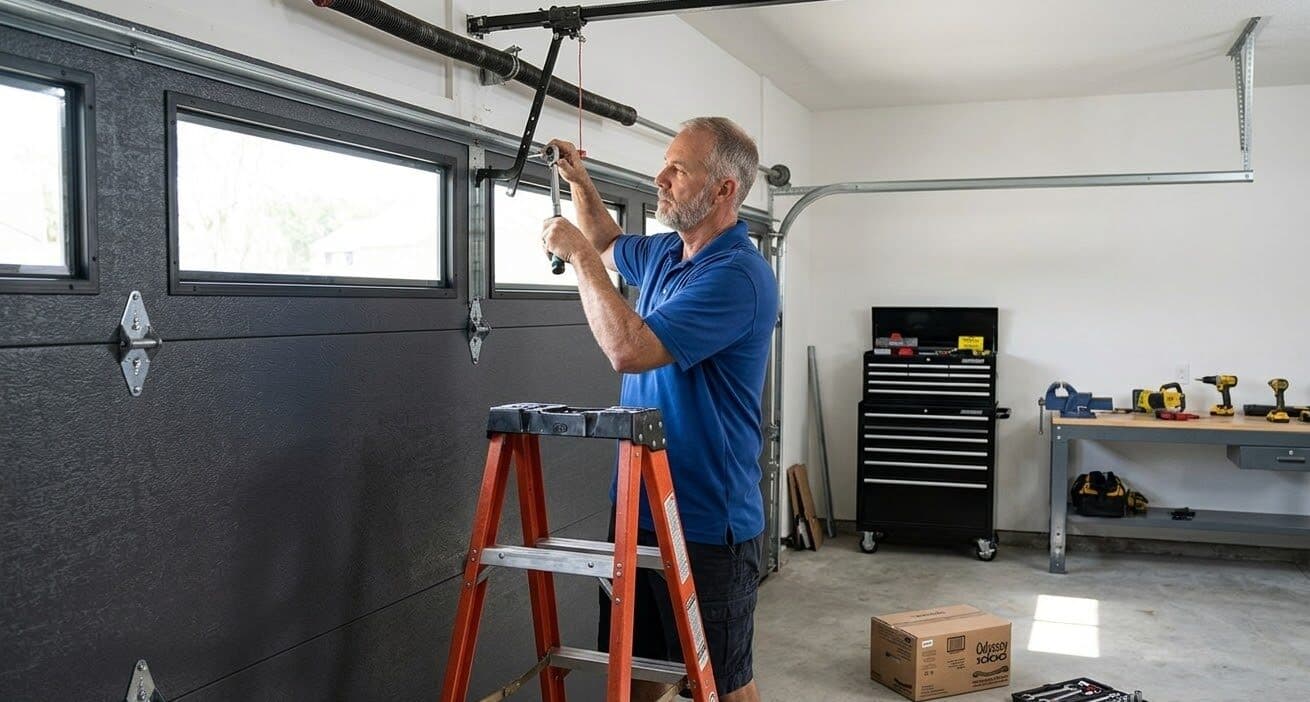
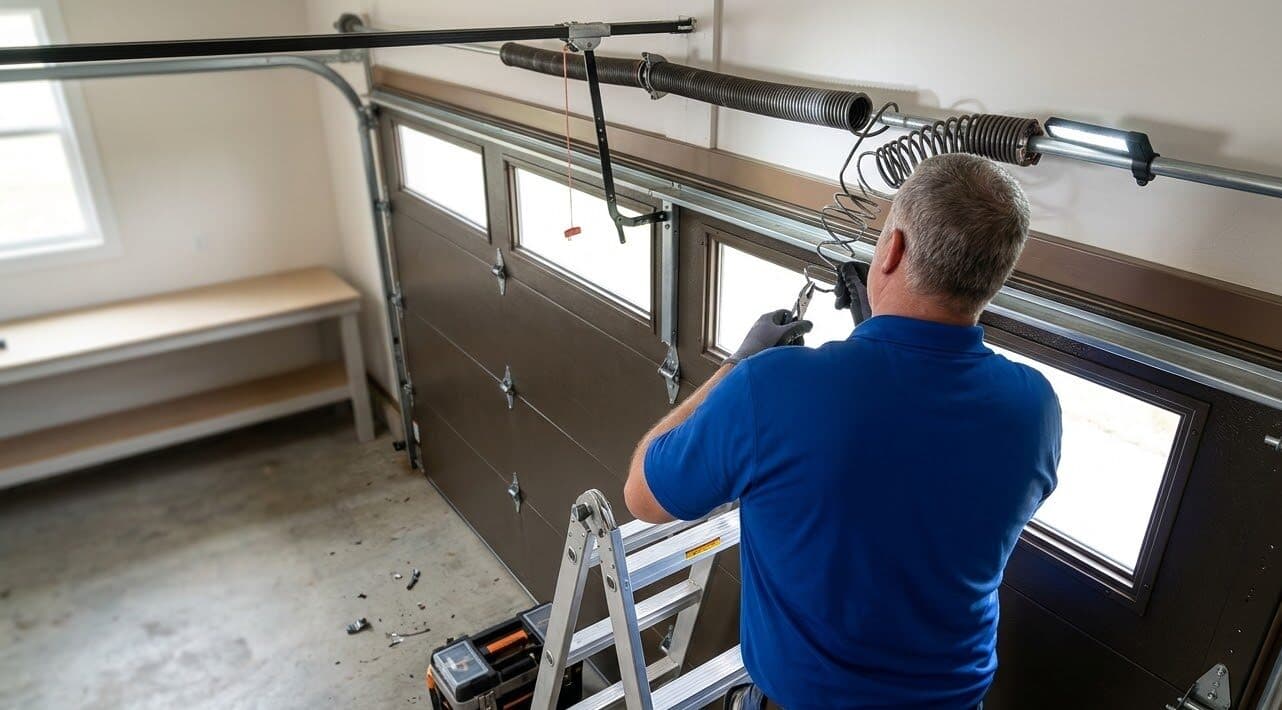
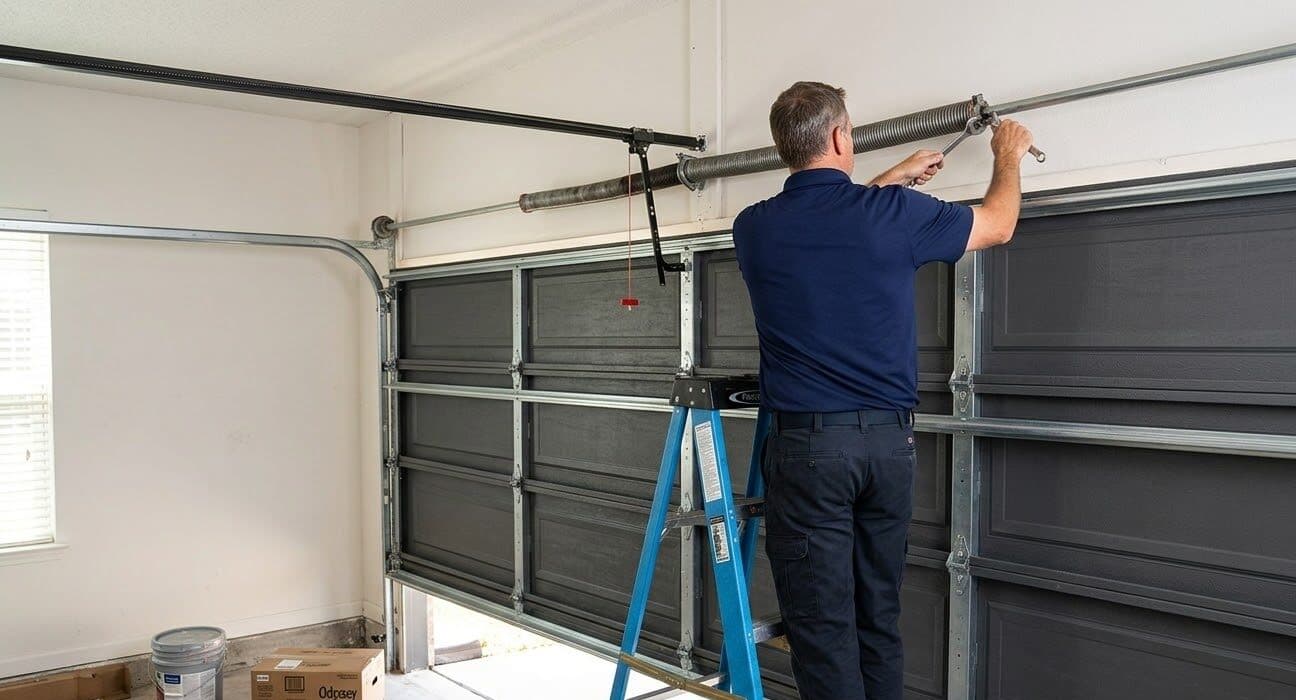
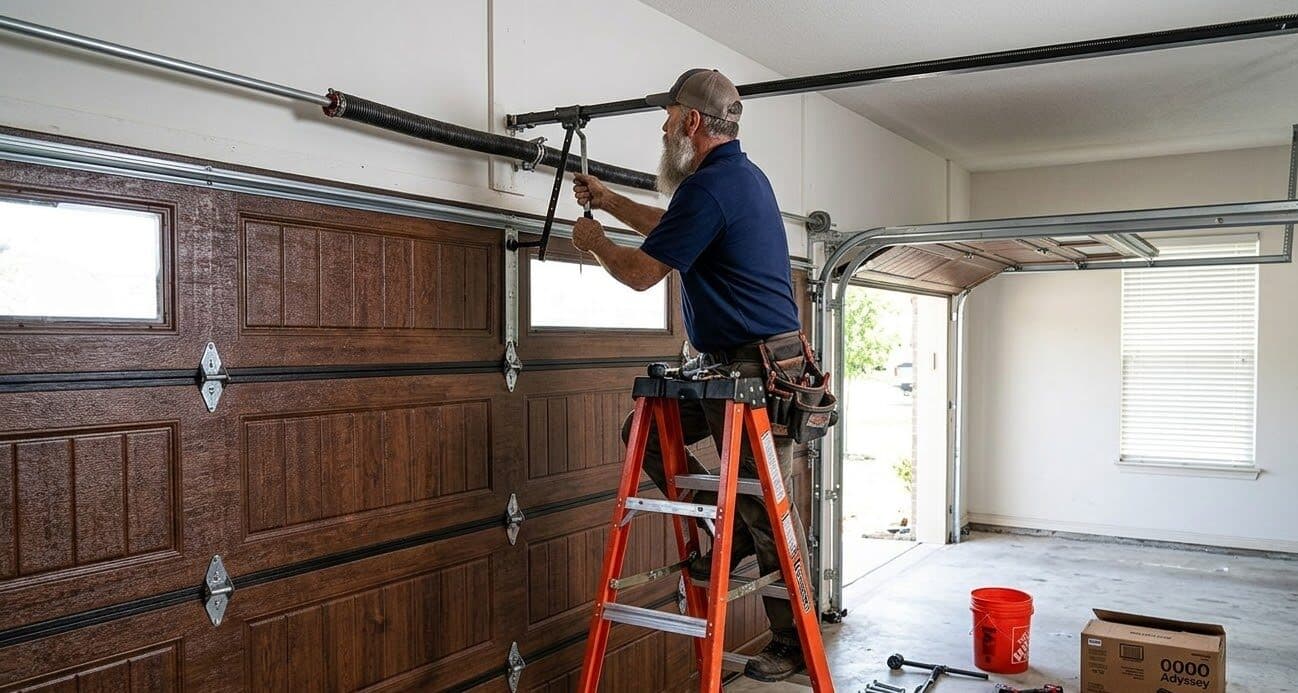
One cycle is one full open and one full close. Every time the door goes up, the torsion spring above it unwinds and releases the energy that lifts the door. Every time it comes down, the spring winds back up. Each cycle flexes the steel wire a little, and after enough cycles, a microscopic crack forms and grows until the spring breaks, usually with a loud bang.
Springs are sold with a cycle rating, which is the number of cycles the spring is designed to deliver before it is expected to fail:
- Builder grade springs: about 10,000 cycles. This is the common baseline in the industry, and many new homes and budget doors ship with springs at this rating.
- Typical replacement torsion springs: Raynor, a major door manufacturer, says a typical torsion spring can be expected to deliver around 15,000 to 20,000 cycles.
- High-cycle springs: rated for 25,000, 50,000 and in some cases 100,000 cycles. They are built from thicker wire and are longer, which spreads the stress over more coils.
The rating is not printed on the spring itself, so the only way to know what you have is the invoice from the last replacement or a measurement of the wire size, inside diameter and length by a technician. A cycle rating is a design target, not a guarantee. The Door and Access Systems Manufacturers Association (DASMA) notes in its technical data on spring life that handling, installation and the way the door is used all affect how many cycles a spring actually delivers.
How Long Your Springs Will Last: Do the Math
Count how many times your door opens on a normal day. Leaving for work and coming home is two cycles per driver. Add trips to the store, kids coming and going, taking out the trash through the garage, and any time the garage is how people walk into the house. Most households land between 3 and 6 cycles a day. Then divide the spring rating by your yearly cycles:
| Spring rating | 2 cycles a day (730 a year) | 4 cycles a day (1,460 a year) | 6 cycles a day (2,190 a year) | 10 cycles a day (3,650 a year) |
|---|---|---|---|---|
| 10,000 cycles | about 13.7 years | about 6.8 years | about 4.6 years | about 2.7 years |
| 15,000 cycles | about 20.5 years | about 10.3 years | about 6.8 years | about 4.1 years |
| 20,000 cycles | about 27.4 years | about 13.7 years | about 9.1 years | about 5.5 years |
| 25,000 cycles | about 34 years | about 17.1 years | about 11.4 years | about 6.8 years |
| 50,000 cycles | over 60 years | about 34 years | about 22.8 years | about 13.7 years |
Two things stand out. First, a builder grade 10,000 cycle spring in a busy household is a five to seven year part, not a twenty year part. If your house was built in 2018 and the original springs are still on it, they may be close to the end. Second, the long numbers on the right side of the table are not realistic in Florida, because at some point corrosion, not cycles, becomes the thing that kills the spring. That is where the climate comes in.
What Florida Heat and Humidity Actually Do to Springs
You will read online that Florida heat "weakens" springs. The real story is a little different, and knowing it helps you protect them.
- Humidity and rust are the main enemy: DASMA's technical data on spring life warns that rust can pit the spring wire, and fatigue cracks can start from those pits and shorten cycle life. A torsion spring flexes along its entire length on every cycle, so a single rust pit becomes the weak point where the break starts. Polk County garages sit in humid air most of the year, and an uninsulated, unconditioned garage is often more humid than outside after a summer rain.
- Heat speeds up the dry-out: a closed garage in July can be well above the outdoor temperature in the afternoon. Heat dries out lubricant faster, and dry coils rub against each other, which wears the surface and lets moisture get to bare steel.
- Daily temperature swings: the garage cools at night and heats up during the day, which can cause condensation on cold steel in the morning. That moisture sits on the coils and feeds rust.
- Storms and wind: hurricane season brings driving rain under the door and through the gaps around it, plus power outages that lead people to use the manual release and lift the door by hand, sometimes with a spring that is already weak.
So, does Florida shorten spring life? It can, mostly through rust. A spring that is kept lubricated in a dry, well sealed garage behaves close to its cycle rating. A spring that is never maintained in a damp garage can fail well before its rating because of a single rust pit. The difference is mostly maintenance, not geography.
Other Things That Shorten Spring Life
- Wrong spring size: a spring that is too small for the door weight works harder on every cycle. This is common after a cheap replacement where the installer used whatever spring was on the truck instead of weighing the door.
- Heavier door than the spring was sized for: adding insulation kits, windows, a wind load reinforcement kit or a heavier replacement door without recalculating the springs overloads them.
- Poor balance: a door that is not balanced puts uneven stress on the springs and the opener. Our garage door balance adjustment sets the spring tension to the actual door weight.
- Installation damage: DASMA notes that overheating or splatter during torch cutting can create brittle spots that lead to early failure, and nicks from tools during winding can do the same.
- Worn rollers, hinges and bearings: every bit of friction in the system is extra work for the springs. A door that drags in the tracks wears springs faster.
How to Make Your Springs Last Longer
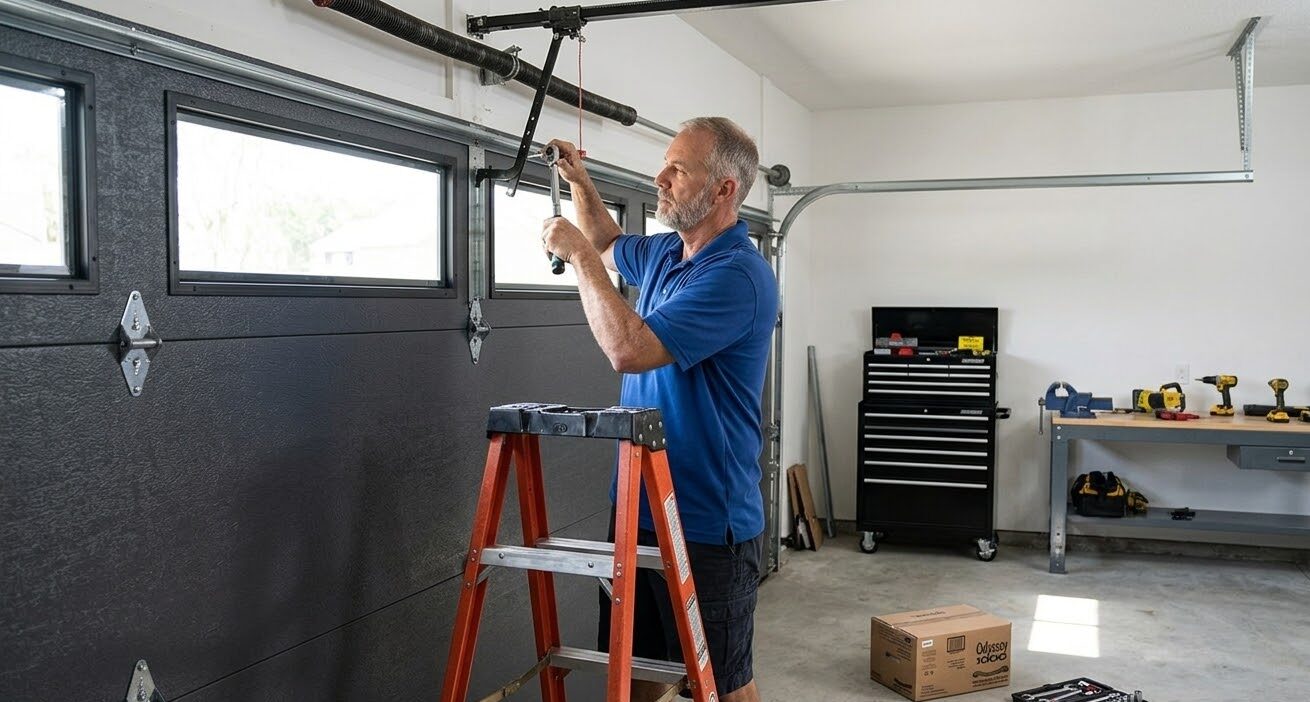
You cannot change the cycle rating of the springs you have, but you can make sure they get every cycle they were built for.
- Lubricate the coils: a light coat of garage door lubricant on the spring coils every few months in Florida keeps the wire from rusting and the coils from grinding. Wipe off excess so it does not drip or collect dust. Do not use grease, which traps dirt.
- Check the balance twice a year: pull the manual release with the door closed and lift it halfway by hand. A balanced door stays roughly in place. If it slams down or shoots up, the spring tension is off. Do not adjust torsion springs yourself; the stored energy can cause serious injury.
- Keep the garage drier: a good bottom seal and weather stripping keep wind driven rain out. Our weather seal replacement service is a small job that also helps with bugs and heat.
- Cut unnecessary cycles: if the whole family enters through the garage, a keypad or the front door for short trips reduces cycles more than you would think.
- Annual tune-up: a yearly garage door tune-up lubricates springs and hardware, checks balance and catches rust before it becomes a break.
When to Replace Springs Before They Break
Most people replace springs only after one breaks, and that is usually at the worst moment: car stuck inside, kids late for school. Replacing them proactively makes sense when:
- The springs are original and the house is past about 7 years: especially in a busy household with builder grade springs.
- You see rust or flaking on the coils: surface discoloration is normal, but pitting or scale on the wire is a warning sign.
- The door has lost balance: and an adjustment does not hold for long, which suggests the spring has lost tension.
- One spring on a two spring door already broke: the other has the same cycles on it and is usually close behind, which is why both are normally replaced together.
If you are replacing springs anyway, ask about high-cycle springs. Going from a 10,000 cycle spring to a 25,000 cycle spring costs more up front but can roughly double or triple the time before the next replacement for the same household. For a family that uses the door six or more times a day, it is usually the better buy.
Get Your Springs Checked in Polk County
Rocket Garage Door Services inspects, services and replaces torsion and extension springs across Lakeland, Winter Haven, Bartow and the rest of Polk County. Our garage door spring replacement service starts by weighing the door and measuring the existing springs, so the new springs are sized right and the invoice shows the wire size and cycle rating. Homeowners can book spring replacement in Lakeland or spring replacement in Winter Haven, usually the same or next day.
Call (863) 624-3191 and tell us how many times a day your door runs. We will tell you honestly whether your springs have years left or whether it is time to plan the replacement.