Your Garage Door Took a Hurricane Hit. Now What?
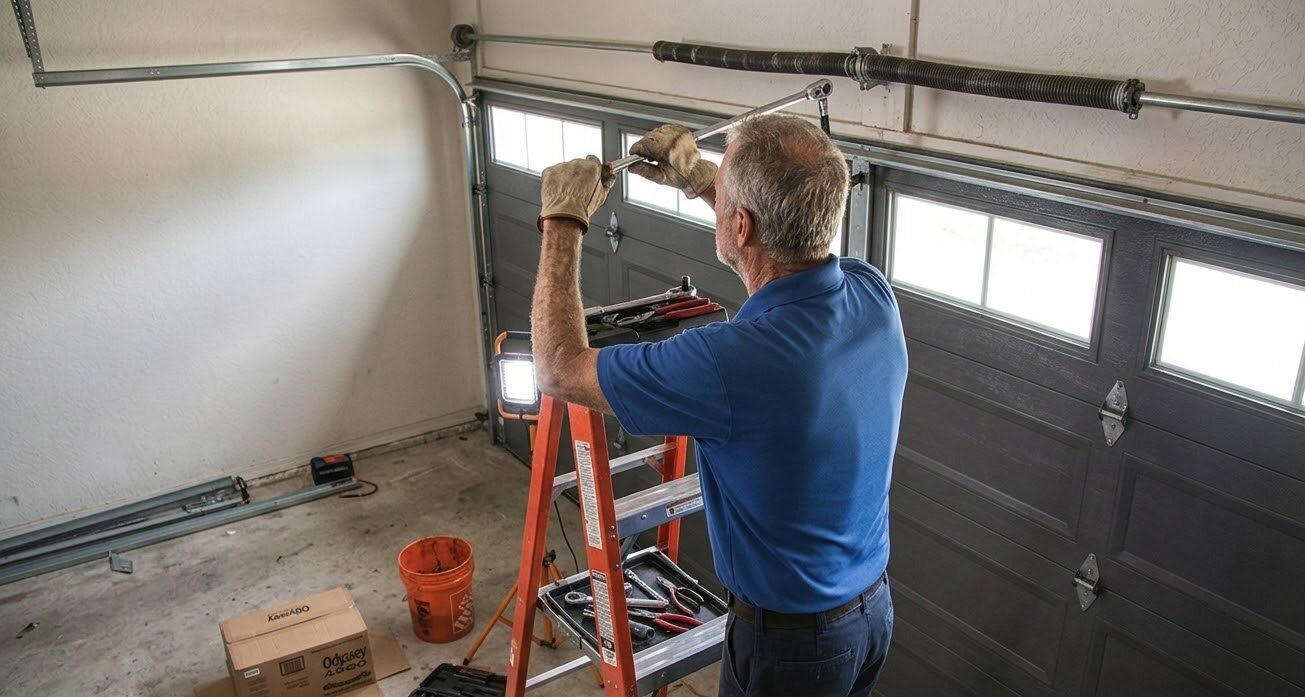
After a hurricane, the garage door is often the first thing a homeowner notices. It is the largest opening on most houses, and when wind pushes on it the panels bow, the tracks bend, the rollers jump out and sometimes the whole door folds in. A damaged door is also a security problem, because the house is open, and a structural one, because a failed garage door lets wind pressurize the inside of the house and push up on the roof.
The insurance side is where most people get stuck. Is the garage door covered? Will the hurricane deductible eat the whole claim? Can you fix it before the adjuster shows up? This guide walks through a Florida hurricane garage door claim step by step, with the timelines and rules from the Florida Statutes, and the numbers you need to decide whether filing makes sense at all.
Step 1: Make the Opening Safe and Document Everything
Before you call anyone, make sure nobody is near a damaged door under tension. Garage door springs hold a lot of stored energy, and a bent door with a broken cable or spring can drop or swing without warning. Do not try to force a jammed door open or closed, and do not loosen spring hardware. Our guide on what to do in a garage door emergency covers the safety basics.
Then document, before anything is moved:
- Wide photos: the whole front of the house and the door from the driveway, so the adjuster sees context.
- Close-ups: bowed or cracked panels, bent tracks, popped rollers, broken struts, damaged weather seal and any damage to the frame or jambs.
- Video: a slow walk around the door inside and out, with the date visible on your phone.
- Interior damage: water on the garage floor, damaged belongings and anything that suggests wind entered the house.
- The door label: many wind-rated doors carry a label with the product approval and design pressure. Photograph it. It helps prove what the door was rated for.
Florida policies require you to take reasonable steps to protect the property from further damage. If the house is open to weather or to intruders, emergency securing is normally part of the claim. Keep every receipt. Our emergency garage door service can secure the opening and document the condition of the door at the same visit.
Step 2: Check Which Part of Your Policy Covers the Door
In most Florida homeowners policies, an attached garage, including its door, is part of the dwelling, Coverage A. A detached garage usually falls under other structures, Coverage B, which has its own limit. Wind damage from a hurricane is generally a covered peril unless your policy has a windstorm exclusion, which some Florida policies do when wind is written separately, for example through Citizens or a wind-only policy. Flood is a separate policy entirely, and storm surge or rising water damage to the door is a flood question, not a wind question.
Look for three things on your declarations page: whether wind is covered, your hurricane deductible, and whether you bought law and ordinance coverage. All three decide what you actually get paid.
Step 3: Do the Hurricane Deductible Math Before You File
This is the step most people skip, and it is the one that decides whether a garage-door-only claim is worth filing. Under section 627.701 of the Florida Statutes, insurers must offer hurricane deductible options of $500, 2%, 5% and 10% of the dwelling limit, with some exceptions for higher-value homes. Most Florida homeowners carry a percentage deductible, and the percentage is of the dwelling coverage limit, not of the damage.
Here is how that plays out on a typical policy, using an illustrative $300,000 dwelling limit:
- 2% hurricane deductible: $6,000 out of pocket before the policy pays anything.
- 5% hurricane deductible: $15,000.
- 10% hurricane deductible: $30,000.
Now compare that with the cost of the door. For most Polk County homes, a new wind-rated steel door installed runs roughly $1,200 to $1,800 for a single-car door and $1,800 to $2,800 for a standard two-car door, and impact-rated doors with glass run higher. Our new garage door cost guide breaks those numbers down. In plain terms: if the garage door is the only damage, the replacement often costs less than a 2% hurricane deductible, and the insurer would pay nothing.
That does not mean you should ignore the policy. If the door failure let wind into the house and damaged the ceiling, roof, interior walls or contents, the total loss can easily exceed the deductible, and the garage door becomes one line of a larger claim.
The Calendar-Year Rule That Can Help You
Florida's hurricane deductible applies on an annual basis. Section 627.701(5) says that, for policies issued or renewed since May 1, 2005, the hurricane deductible applies to all covered hurricane losses in a calendar year under policies from the same insurer or insurer group. If a second hurricane hits the same year, the insurer applies the greater of the remaining hurricane deductible or your regular, non-hurricane deductible.
That is why reporting a small hurricane loss can still matter even when it is under the deductible. Insurers may ask you to report losses below the deductible, or keep records of them, so they can count toward a later storm. If you pay for a garage door out of pocket after the first storm, keep the invoice, the photos and the date, and ask your insurer how they want sub-deductible losses reported.
Step 4: Report the Claim and Know the Deadlines
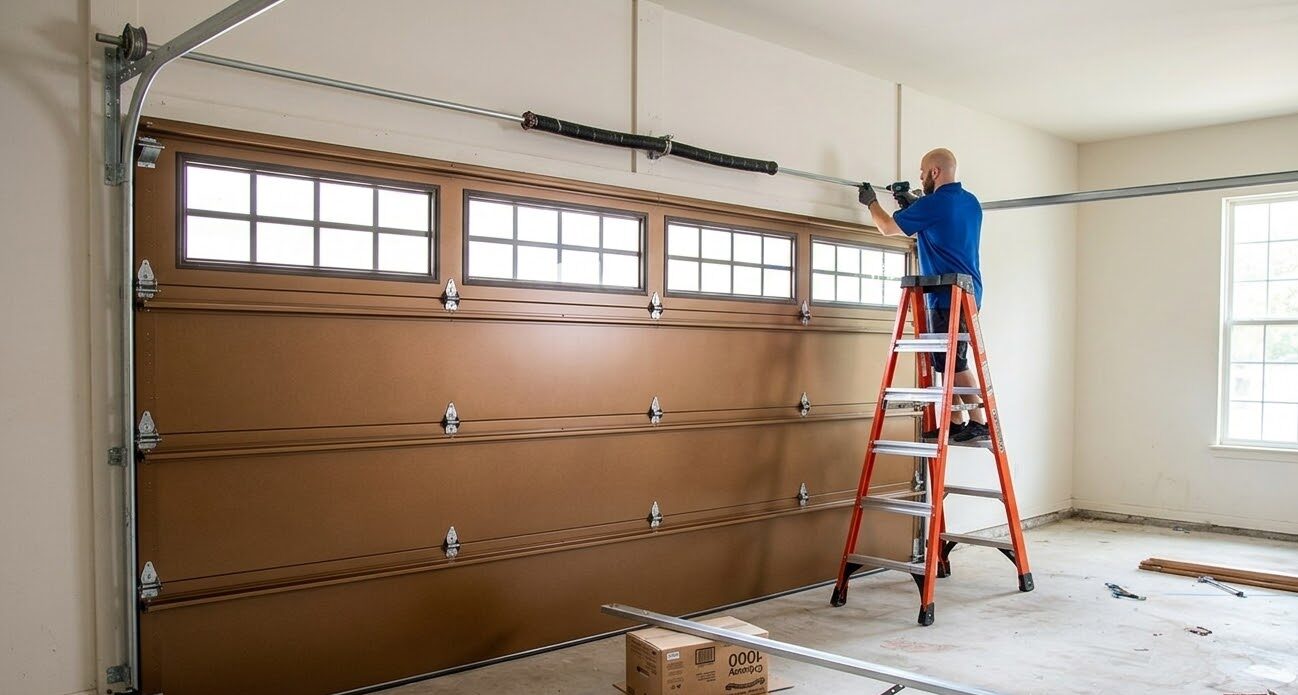
Florida law sets deadlines on both sides of a property claim. For you, section 627.70132 requires notice of a new or reopened claim within one year after the date of loss, and a supplemental claim within 18 months. Waiting is a bad idea anyway: the longer the door sits damaged, the harder it is to separate storm damage from wear.
For the insurer, section 627.70131 sets the pace once you report:
- Acknowledge: within 7 days of receiving your claim communication.
- Begin the investigation: within 7 days of receiving proof of loss.
- Physical inspection: if one is needed, within 30 days of receiving proof of loss.
- Pay or deny: within 60 days of receiving notice of the claim, unless factors beyond the insurer's control prevent it.
Report through the insurer's app or claims line, write down the claim number, and keep a log of every call: date, name, what was said.
Step 5: Get a Written Estimate That Matches Florida Code
The adjuster will write an estimate, and you are entitled to your own. A useful contractor estimate for a hurricane garage door claim lists the door size, the product being replaced, the replacement product with its Florida Product Approval number and design pressure rating, the track, spring and opener work, the haul-away and the permit. Replacing a garage door in Florida requires a permit in almost every case, because the door is a rated part of the structure. We explain why in our Florida garage door permit guide.
Code is where claims get underpaid. If your old door was not wind-rated to today's standard, the replacement must be. The extra cost of meeting current code is what law and ordinance coverage is for. Under section 627.7011, insurers must offer it at 25% or 50% of the dwelling limit. Without it, the policy may pay to replace like-for-like and leave the code upgrade to you. Our guide to the hurricane rated garage door code in Florida explains what your opening is likely to require.
Step 6: Understand How You Get Paid
On a replacement cost policy, Florida law lets the insurer pay in stages. Section 627.7011(3) requires the insurer to pay at least the actual cash value of the loss, minus the deductible, first. The rest is paid as the work is done and the expense is incurred. In practice: you may receive a first check that is less than the invoice, and the balance after you send proof the door was replaced.
Two more Florida rules matter here. For policies issued on or after January 1, 2023, an assignment of benefits on a residential property policy is invalid, so you remain the claimant and you deal with the insurer directly, even if a contractor helps with paperwork. And the separate roof deductible some policies carry does not apply to roof losses from a hurricane, so do not let anyone stack it on a hurricane claim for roof damage that followed a garage door failure.
If the Claim Is Denied or Underpaid
Ask for the denial or the estimate explanation in writing, and compare the adjuster's line items with your contractor's estimate. Common gaps on garage door claims are a missing permit, a replacement door that is not code compliant for the address, missing track or opener work and no allowance for emergency securing.
Florida's Department of Financial Services runs a mediation program for residential property claims under section 627.7015. The insurer pays the mediator's fee, the outcome is not binding unless you agree to it, and it is often a faster path than a lawsuit for a disagreement about money. For larger disputes, a licensed public adjuster or an attorney is the next step. We are a garage door company, not a law firm, so treat this as background, not legal advice.
Prevent the Next Claim: Reinforce or Upgrade the Door
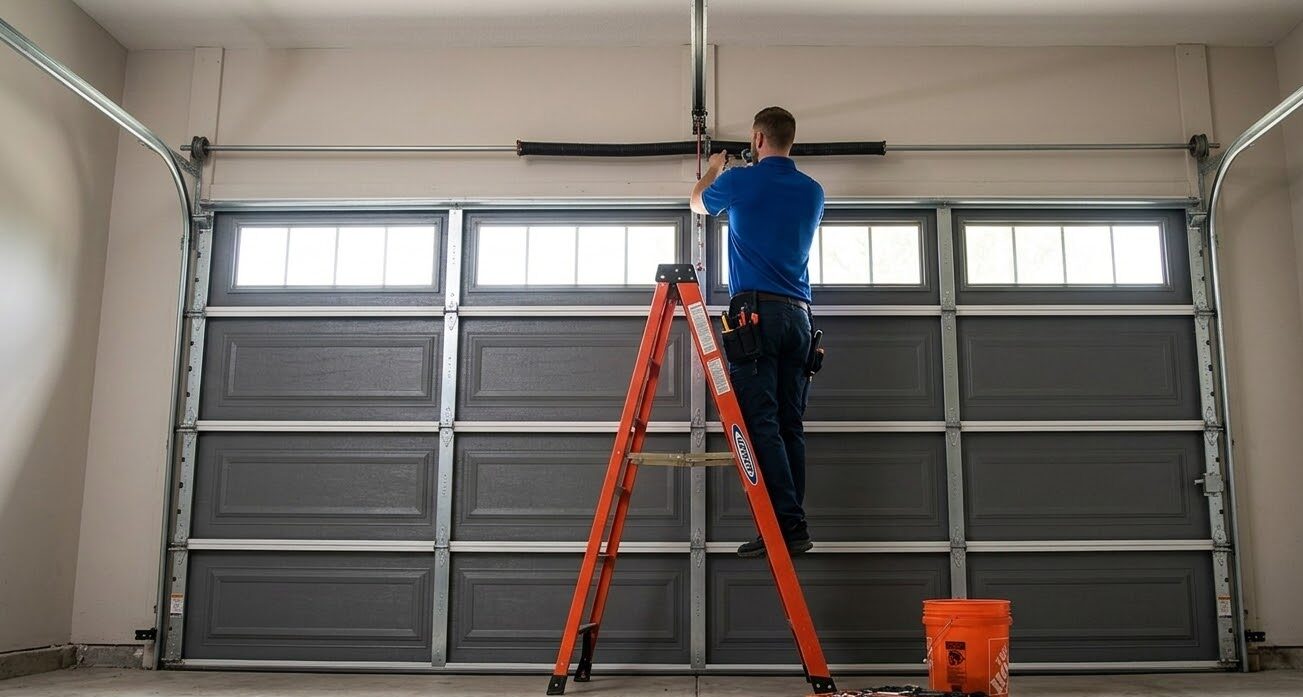
If your door survived this storm but flexed badly, or if you are replacing it anyway, this is the time to make it the strongest opening on the house. A wind-rated or impact-rated door, a reinforcement kit on an older door, or a professional bracing system all reduce the chance of the door failing and pressurizing the house. A rated door also counts as protected opening on the Florida wind mitigation form, which some insurers consider when pricing the wind portion of your premium.
Our garage door reinforcement and hurricane upgrades service covers retrofits, and our garage door installation service handles permitted replacements with the right product approval for your address. For storm prep before next season, see our guide on how to protect your garage door before hurricane season.
Storm-Damaged Garage Door Help Across Polk County
Rocket Garage Door Services secures storm-damaged doors, writes itemized replacement estimates with product approval and permit costs included, and replaces doors to current Florida code. We work throughout Polk County, including garage door repair in Lakeland, Winter Haven, Bartow and Haines City. Call (863) 624-3191 to get the door secured and an estimate you can send to your insurer.