The Biggest Hole in Your House
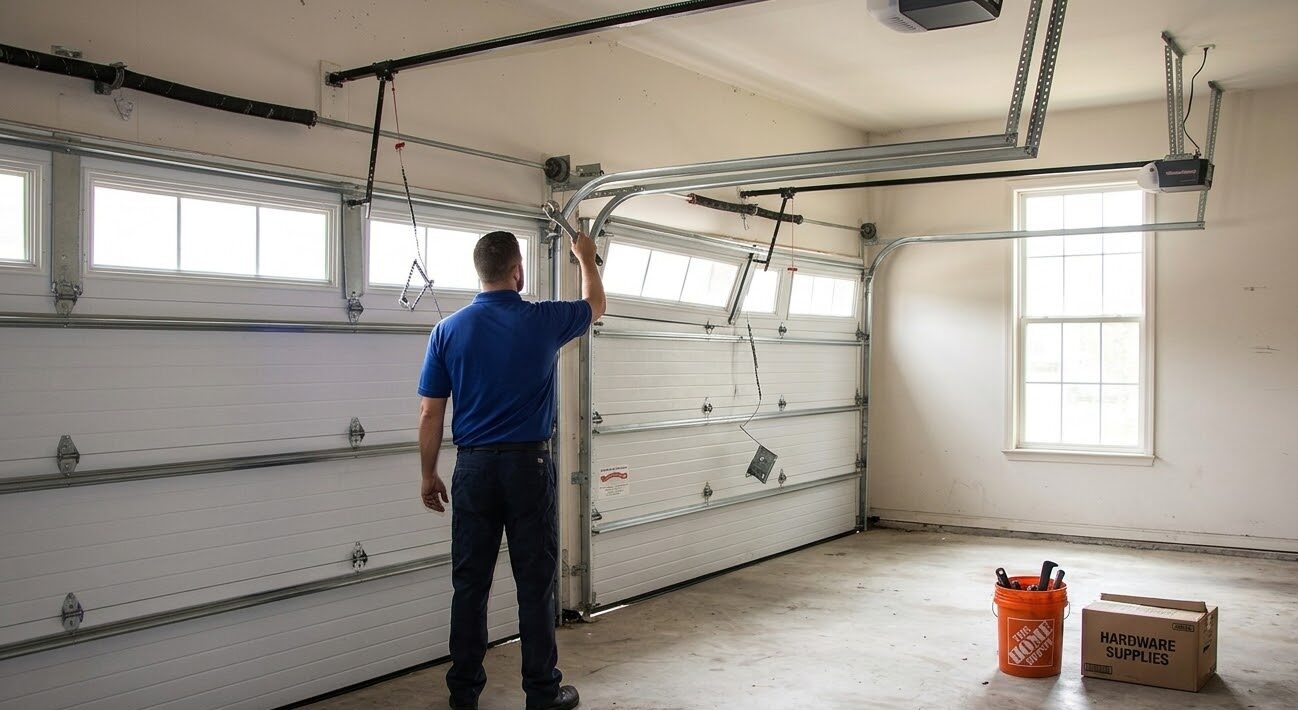
Your garage door is the largest opening in your home, usually by a wide margin. A two-car door is roughly 112 square feet of moving panel held in place by rollers riding in a track. Every other opening in the house is a fraction of that size and is framed into a structural wall. This is why wind engineers treat the garage door as the weakest point in a Florida home, and why hurricane damage surveys keep finding the same failure sequence.
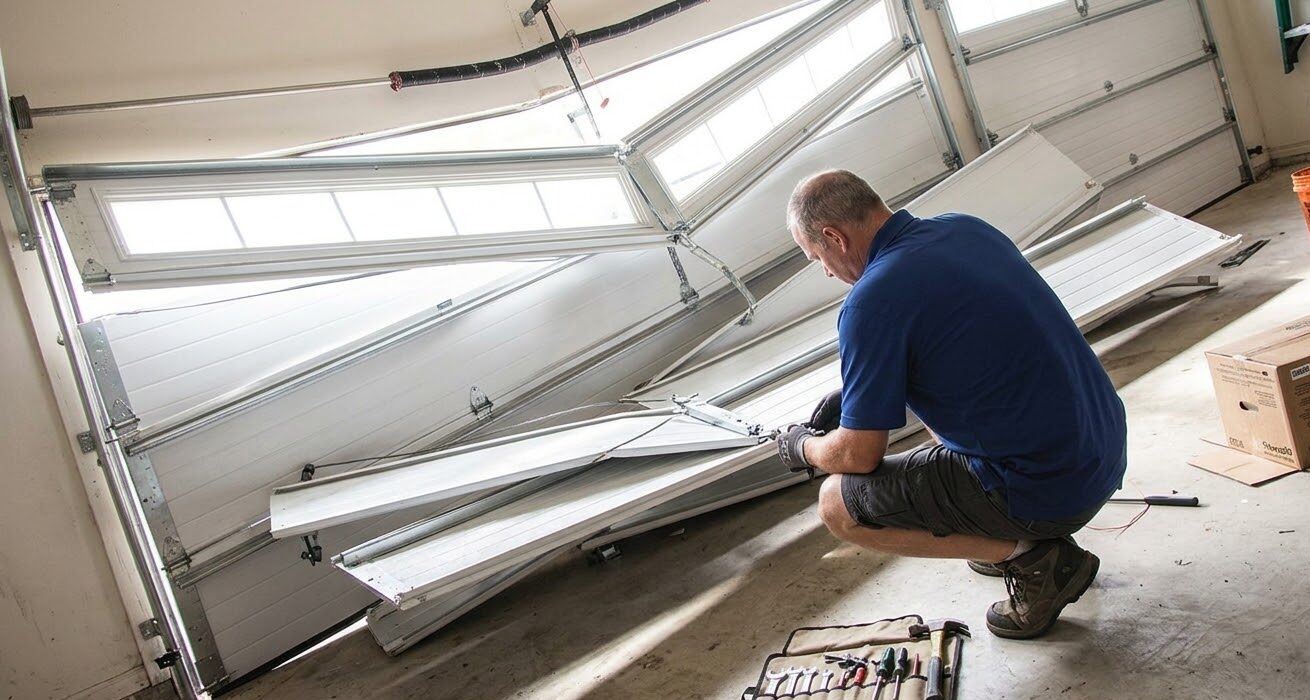
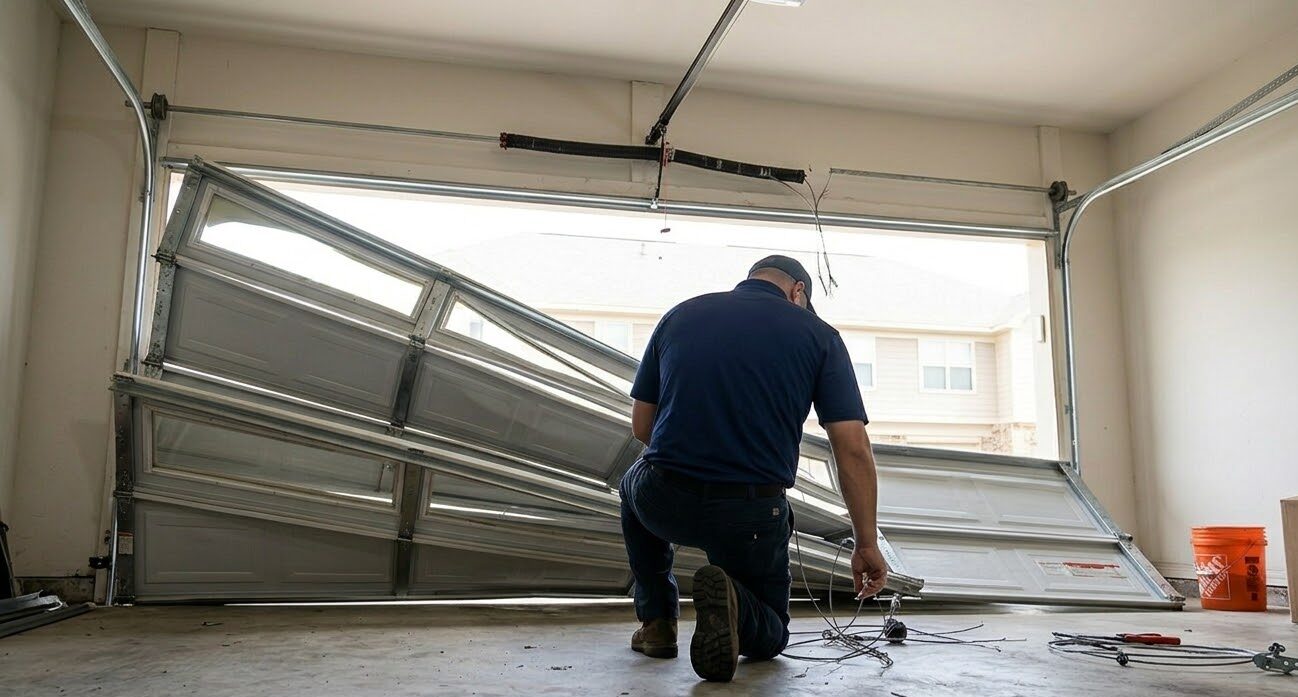
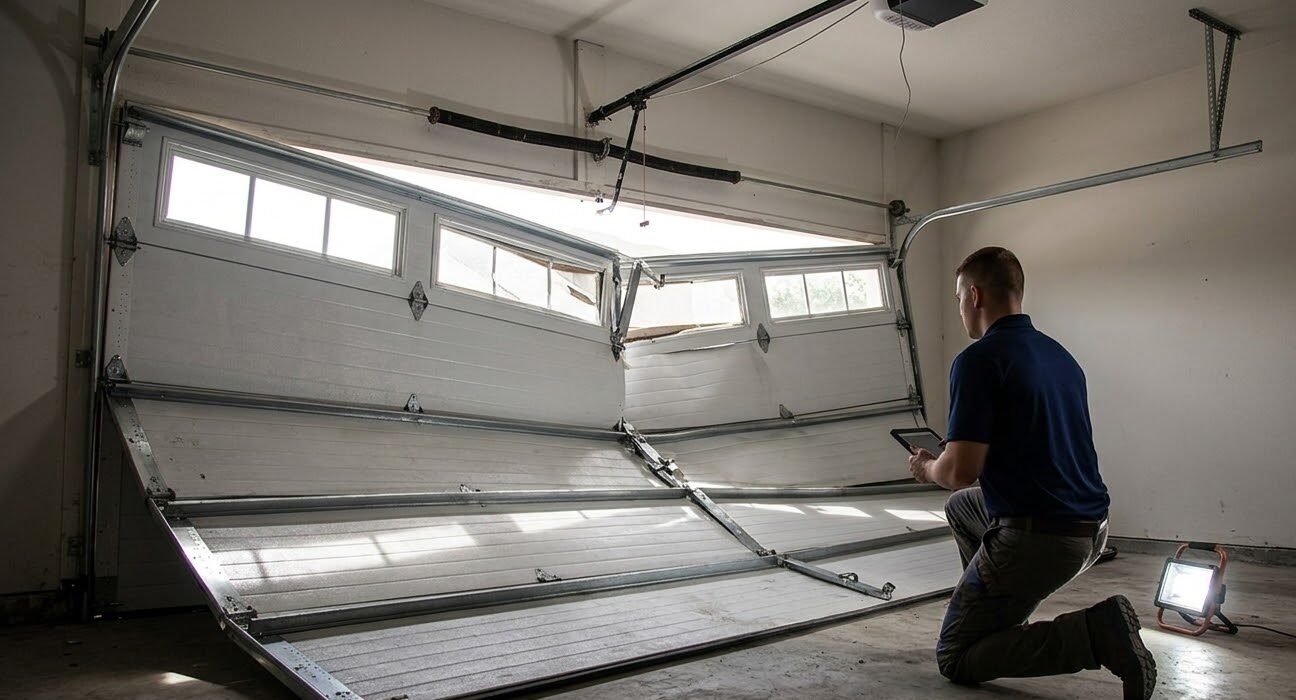
The sequence goes like this. Wind pushes against the door. The door bows inward past what the track and rollers can hold, then blows in. Now the interior of the house is pressurized, wind pushing outward on the walls and ceiling from the inside at the same moment external suction is pulling upward on the roof. Those two forces work together, and roofs come off houses that would have survived with the door intact.
So a hurricane-rated garage door is not really about protecting the garage. It is about not letting the storm inside the pressure envelope of the house. Understanding that changes how you read the price tag, because you are not buying a door, you are buying the structural integrity of everything behind it.
What Florida Code Actually Requires, and Where
Florida does not apply one hurricane rule to the whole state. Requirements are driven by your specific site, and the two concepts that decide what your door must do are design pressure and the wind-borne debris region.
Design pressure is the wind load a product is rated to withstand, expressed in pounds per square foot, in both the positive direction (wind pushing in) and negative (suction pulling out). The rule is straightforward: the design pressure rating of the door must equal or exceed the design pressure calculated for that opening on your house. That calculation comes from your site wind speed, your exposure category, the size of the opening and where it sits on the wall.
The wind-borne debris region is the second and more consequential trigger. The Florida Building Code defines it as areas within hurricane-prone regions where either the ultimate design wind speed is 130 mph or greater within 1 mile of the coastal mean high water line, or where the ultimate design wind speed is 140 mph or greater in any area. If your home falls inside that region, openings have to be protected against impact, not just pressure. If it does not, you may need a pressure-rated door without needing impact rating.
That distinction is where most of the money sits, and it is the single most useful thing for a homeowner to understand before shopping.
Pressure-Rated Versus Impact-Rated: Not the Same Product
These two terms get used interchangeably in sales conversations and they describe genuinely different products at genuinely different prices.
- Pressure-rated, sometimes called wind-rated or WindCode: the door is reinforced to resist bowing and blowing in under sustained hurricane wind pressure. This is achieved with heavier gauge steel, horizontal struts across the panels, stronger hinges and rollers, and a reinforced track system. It resists wind. It does not stop a flying object.
- Impact-rated: the door meets the pressure requirement and additionally survives being struck by wind-borne debris without being breached. This requires a fundamentally tougher panel construction and, if the door has windows, impact-rated glazing.
If you live in the wind-borne debris region, impact rating is the requirement and pressure rating alone will not satisfy it. If you are inland and outside that region, a properly pressure-rated door may be exactly what your code requires, and paying for full impact rating becomes a choice rather than an obligation.
There is one more layer at the top end. In the High Velocity Hurricane Zone, which is Miami-Dade and Broward counties only, all garage doors must meet the large missile impact rating regardless of whether the door has windows. That is the strictest standard in the state, and it does not apply in Central Florida. Be alert to salespeople who quote Miami-Dade requirements to a Polk County homeowner, because the standards are not the same and neither is the price.
The Tests Behind the Rating
When a door is described as hurricane rated, that phrase means it passed specific tests. Knowing the test names lets you verify a claim rather than trust it.
- TAS 201, large missile impact: a nine-pound 2x4 is fired at the door at 50 feet per second, twice, at specified locations. This simulates structural debris carried by the storm.
- TAS 202, uniform static pressure: positive and negative pressure applied across the door to simulate sustained hurricane wind loading in both directions.
- TAS 203, cyclic pressure: thousands of pressure cycles simulating the hours-long duration of a real storm, because a product that survives one push can still fatigue and fail over an entire night of buffeting.
The equivalent national standards are ASTM E1886 and ASTM E1996. Whichever pathway a manufacturer uses, the outcome you should demand is documentation: a statewide Florida Product Approval number, written as an FL number, or a Miami-Dade Notice of Acceptance. A door without documented approval cannot legally be installed as a rated door where rating is required, no matter what the brochure says.
Ask for that number before you sign, and note that it is verifiable in the state product approval system. This is the one piece of paperwork that separates a genuinely rated door from a heavy-looking one.
What This Means for Polk County Specifically
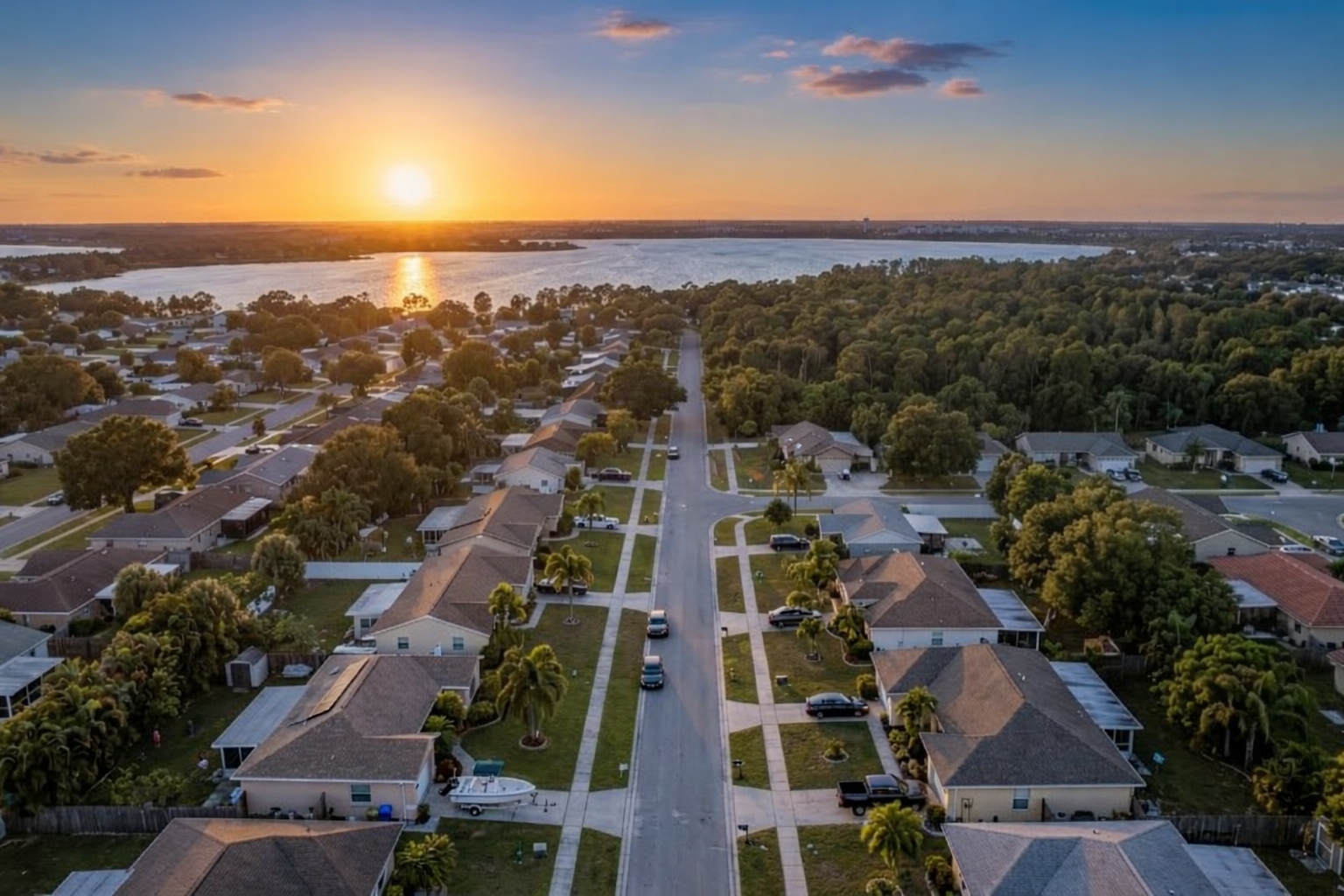
Here is the honest local picture, and it is one a lot of companies would rather not spell out. Polk County is inland Central Florida. Winter Haven, Lakeland, Auburndale, Bartow and Haines City are not coastal, which means many Polk homes sit outside the coastal 1-mile trigger for the wind-borne debris region.
That does not mean wind rating is irrelevant here. Inland Florida takes hurricane winds, and the 2004 season remains the local reference point for exactly why. What it means is that the requirement set applying to a specific Polk address needs to be confirmed rather than assumed in either direction. The wind-borne debris region has an inland trigger too, at 140 mph, so being far from the water does not automatically place you outside it.
The way to settle it is not a sales conversation. It is your site-specific ultimate design wind speed, confirmed through the ASCE 7 Hazard Tool for your coordinates and through the building department that reviews your permit, whether that is Polk County or a city like Lakeland, Winter Haven or Haines City that reviews within its own limits. Permitting rules vary by jurisdiction, which is why we cover them city by city rather than as one rule.
Our position is simple. We tell you which category your address falls into before quoting, because selling an inland homeowner a Miami-grade door they were never required to buy is an easy sale and a dishonest one. If you want the higher standard anyway, that is a legitimate choice, and we will price it. It should just be a choice you made rather than a fear you were sold.
What a Hurricane-Rated Garage Door Costs in 2026
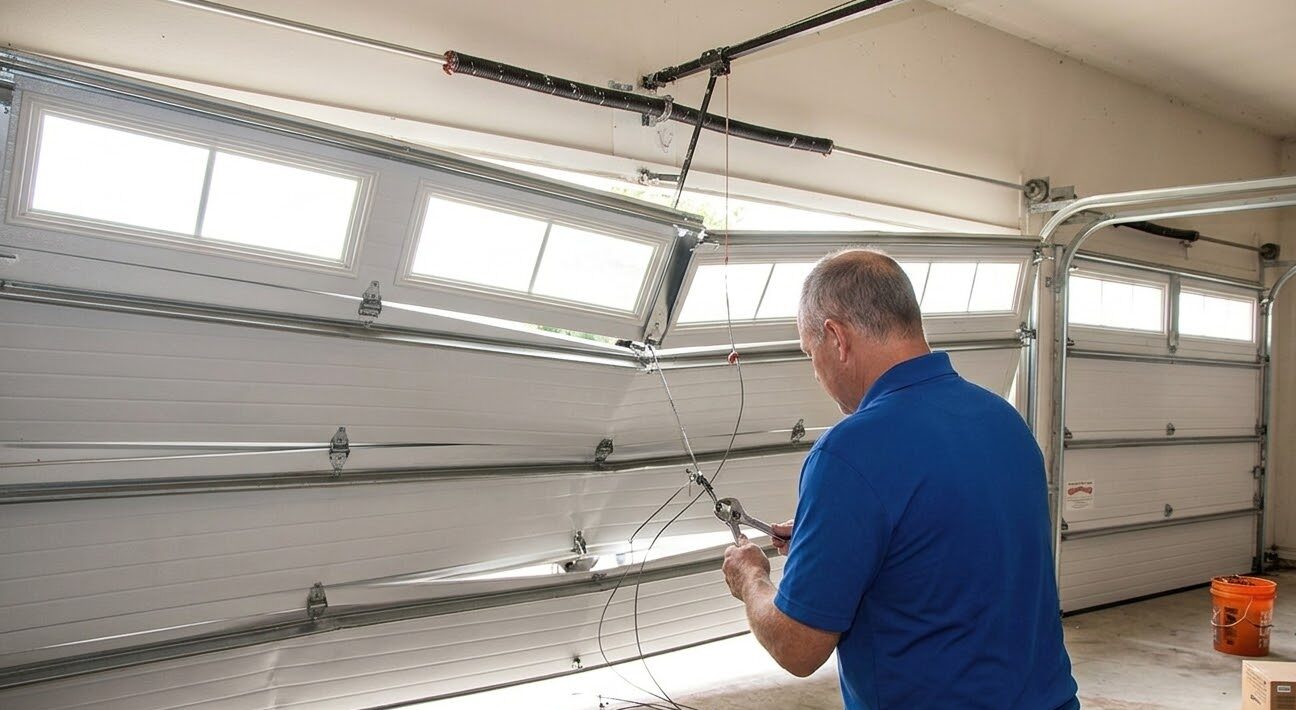
Prices vary by size, material, insulation and rating level, but the market ranges in Florida for 2026 are consistent enough to plan around.
- Single-car wind-rated steel, roughly 9x7: about $1,200 to $1,800 installed for a basic wind-rated model.
- Two-car wind-rated, roughly 16x7: about $1,800 to $2,800 installed.
- Single-car impact-rated outside the HVHZ: commonly $3,500 to $6,000 installed, depending on material quality and insulation, typically including installation, permits and basic hardware.
- Impact-rated glazing, if you want windows: adds roughly $300 to $800 depending on the window area.
- Overall market range: hurricane-rated garage doors in Florida generally run $1,200 to $5,000 and up installed.
Notice the jump between wind-rated and impact-rated. That gap is the practical reason the wind-borne debris question matters so much: it can be the difference between a $2,400 door and a $4,500 one on the same house. Anyone quoting you the higher number should be able to point to why your address requires it.
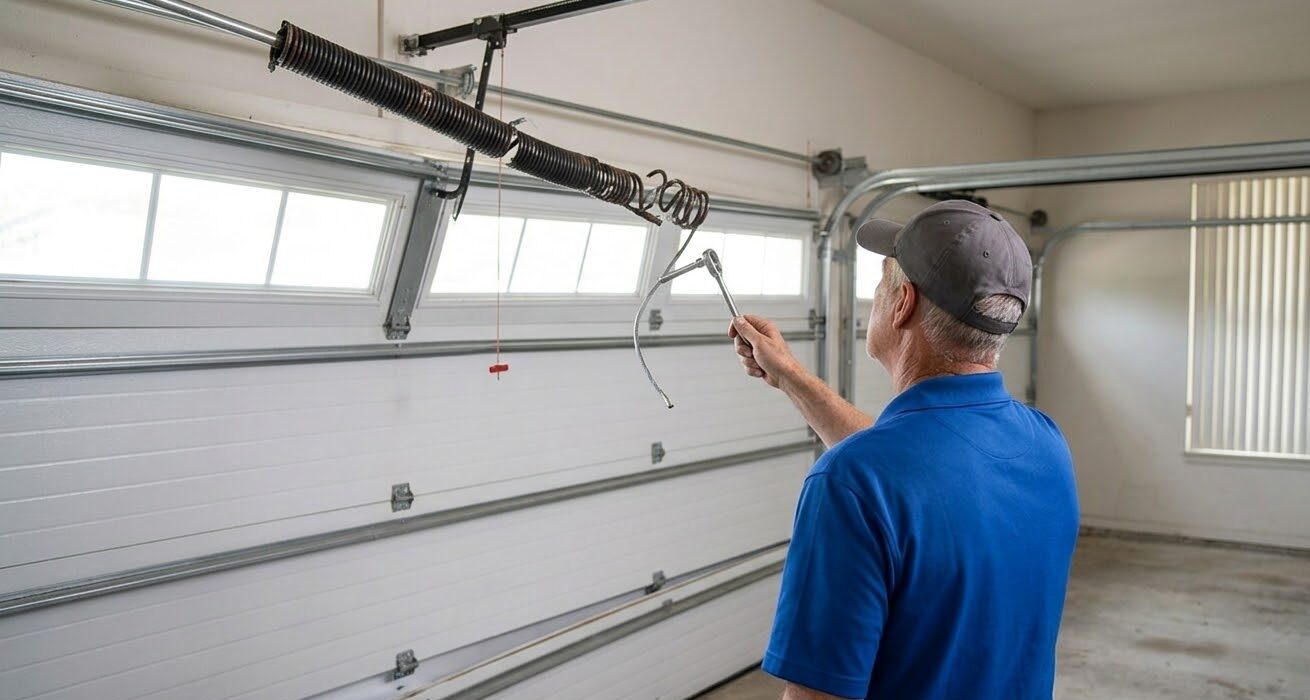
Two cost factors people forget. First, the opener. A heavier reinforced door is significantly heavier than what it replaces, and the opener has to be matched to it, both in horsepower and in spring balance. Second, the springs themselves, which are sized to the door weight and are the component that fails first when they are undersized. We covered how to read those failure signs in our guide to the signs your garage door springs need replacing.
Retrofit Bracing: When It Works and When It Does Not
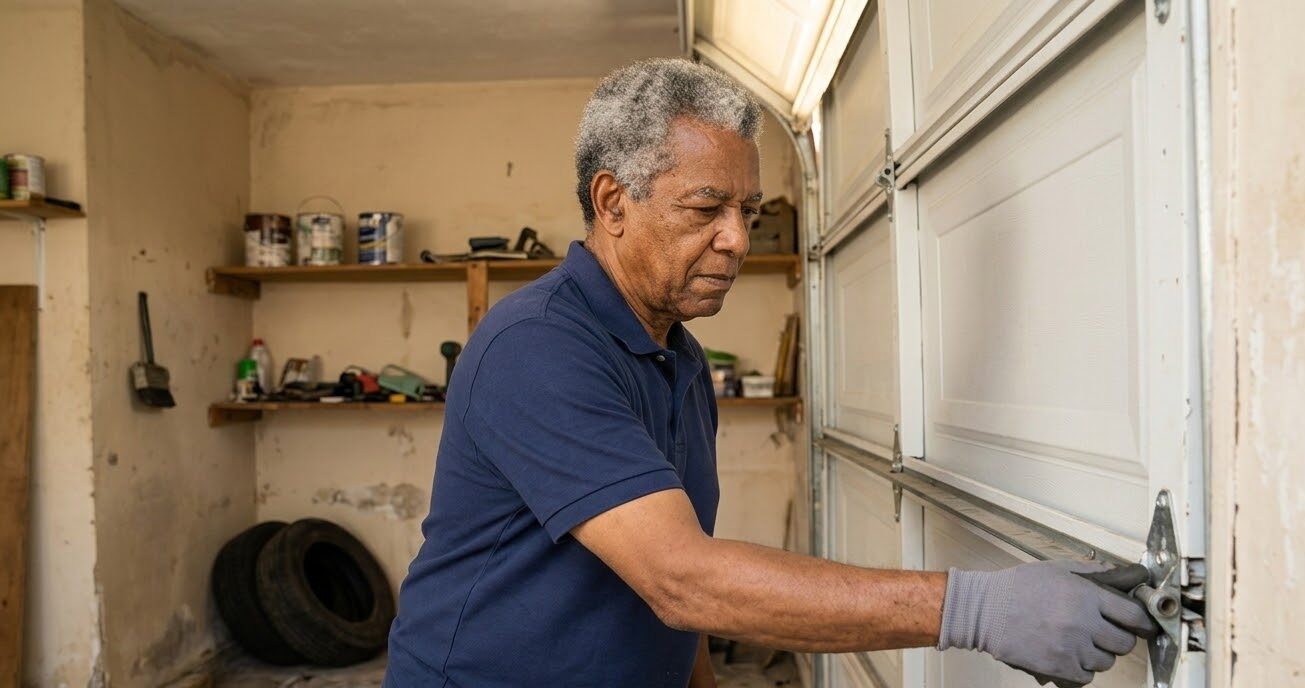
A common question is whether an existing door can be braced instead of replaced. There are two very different answers depending on which product you mean.
Permanent retrofit reinforcement kits exist for some door models, adding struts and heavier hardware to raise wind resistance. Whether one is available and approved for your specific door depends on the model and the manufacturer, and it only counts toward code if the retrofit itself carries product approval for that application. A generic brace bolted onto an unrated door does not create a rated assembly.
Temporary vertical bracing, the posts installed into floor and header brackets before a storm, is a different category. It can meaningfully improve resistance on many doors, but it depends entirely on someone being home to install it before the storm, and on the brackets having been properly anchored in advance. It is a real mitigation tool and a poor substitute for a rated door, particularly if you travel or own the home as a rental.
The honest assessment: if your door is already near end of life, replacement with a rated door is usually the better use of money than bracing an old one. If the door is newer and sound, look into whether an approved reinforcement kit exists for that exact model before assuming replacement is the only path.
The Insurance Math That Changes the Decision
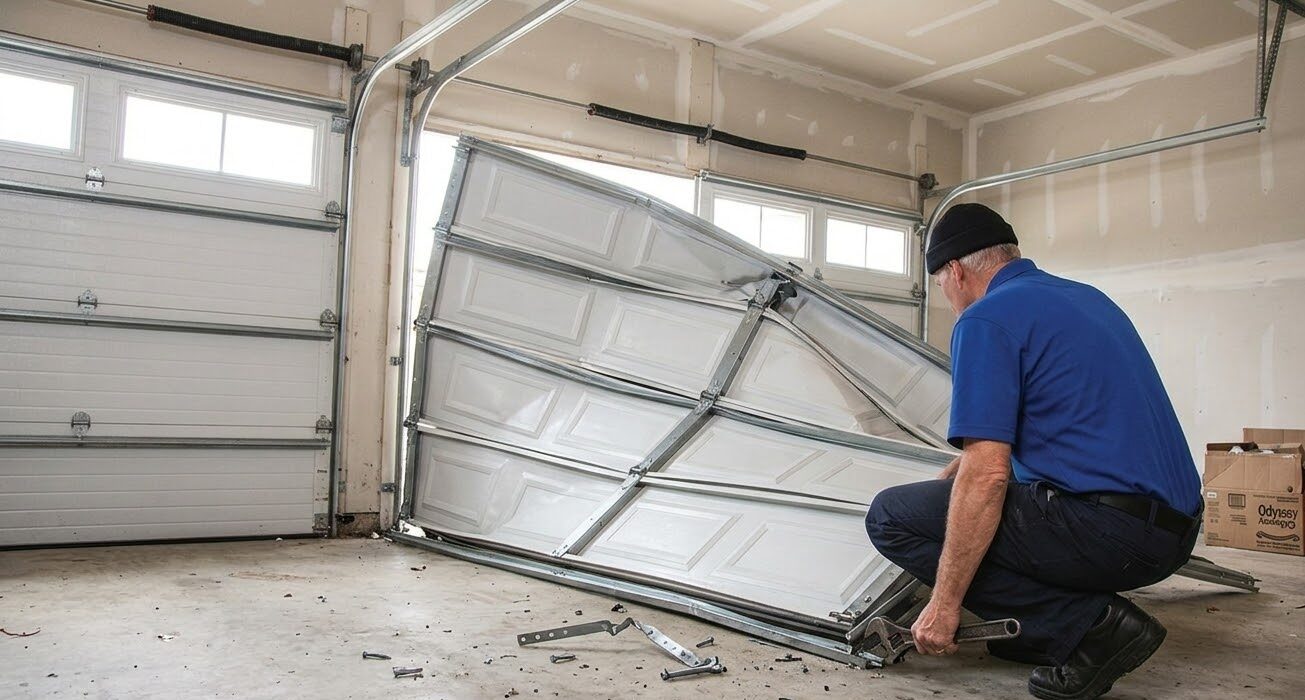
This is the part that moves the payback calculation, and most homeowners underuse it.
Florida Statute 627.0629 requires insurers to offer premium discounts, credits or rate differentials for construction features that reduce hurricane loss. Opening protection is on that list, and the garage door is an opening. Florida homeowners installing impact-rated garage doors typically qualify for wind mitigation discounts in the range of 15 to 30 percent. On a home with a $4,000 annual premium, that translates to roughly $600 to $1,200 per year.
Run that against the cost gap and the picture shifts. A door upgrade carrying a four-figure premium can recover a meaningful share of itself through annual credits, and unlike most home improvements the savings repeat every year for as long as you own the home.
One critical detail that costs people the credit: opening protection is generally evaluated as an all-or-nothing proposition on the wind mitigation form. Full, rated protection on every opening earns the credit. A single unprotected opening can cost it. So a rated garage door installed on a house with unprotected windows may not move your premium at all, while the same door on a house with impact windows completes the set. Sequence the upgrades accordingly, and have the wind mitigation inspection done after the work rather than before.
How to Buy One Without Getting Sold One
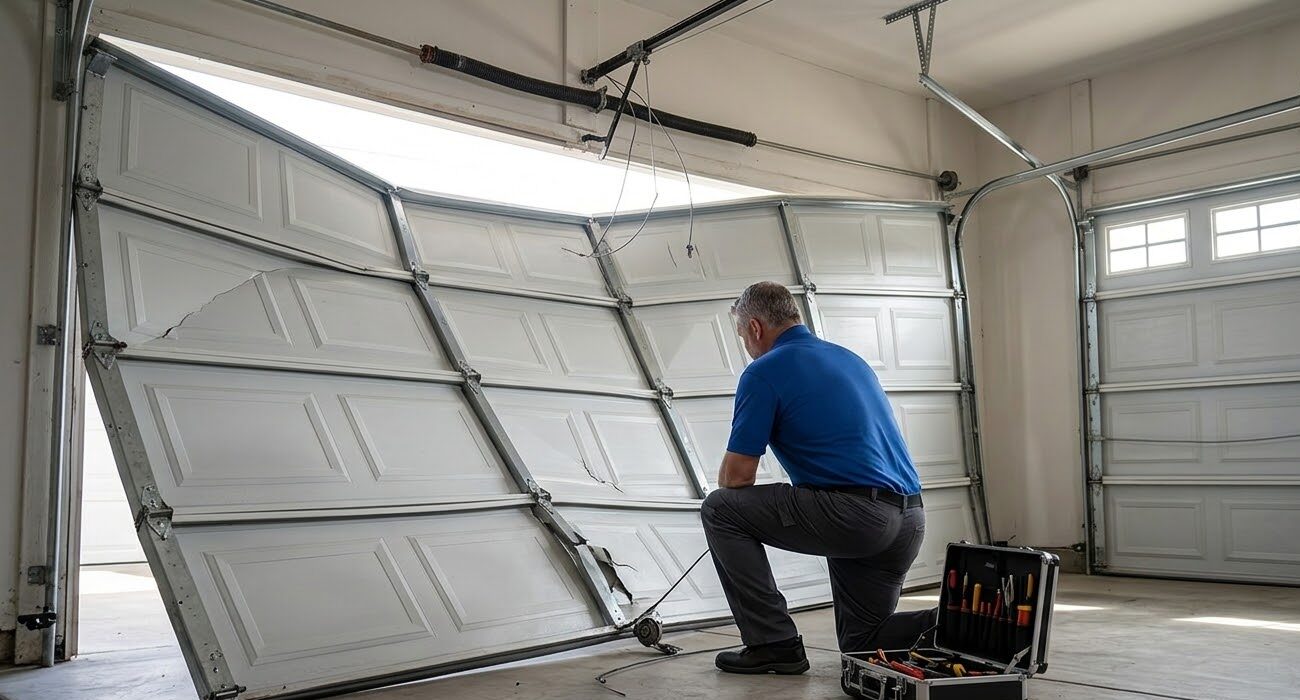
Five questions separate a real quote from a pitch, and you can ask all of them in a phone call.
- Is my address in the wind-borne debris region? The answer should be a determination based on your site wind speed and location, not a shrug or a scare.
- What is the design pressure required for this opening, and what is the rating of the door you are quoting? Two numbers, and the second must meet or exceed the first.
- What is the Florida Product Approval or Miami-Dade NOA number? If they cannot produce it, the door is not documented as rated.
- Is the opener and spring system sized for the new door weight? A rated door on an undersized opener and springs is a service call waiting to happen.
- Is the permit included, and who pulls it? Garage door replacement is permitted work in most Florida jurisdictions, and the permit is what puts an inspector on the installation.
That last one matters more than it sounds. The strongest door in the catalog fails if the track is anchored into a header that cannot hold it. Rated doors are tested as complete assemblies including their mounting hardware, and installing one with substituted fasteners or improper anchoring voids the rating in practice even when the panel is genuine. Installation quality is not a detail here, it is half the product.
Getting a Straight Answer on Your Door
If you are weighing a hurricane-rated garage door in Polk County, the first step is finding out what your address actually requires, because that determines whether you are choosing between a $2,000 door and a $2,500 door or between a $2,000 door and a $4,500 one. Those are very different decisions and they should not be made from a brochure.
Rocket Garage Door Services works across Polk County, including Lakeland, Winter Haven and Haines City. We will tell you which requirement set applies to your home, quote what it actually calls for, and show you the product approval number for whatever we install. Call (863) 624-3191 to talk it through.
If a rated door is not in the budget this season, the next best thing is making sure the door you have is in sound mechanical condition before storm season peaks, since worn rollers, weak springs and loose hardware all lower the wind resistance of an otherwise decent door. Our Polk County garage door maintenance checklist walks that inspection, and choosing the right garage door in Florida covers the material and insulation decisions that pair with the rating.