What Salt Air Actually Does to a Garage Door
The garage door is the largest moving metal object on a Florida home, and near the water it is under a slow, constant attack. Coastal air carries a fine salt spray that settles on the panels, the frame, the tracks, the springs, and the opener electronics. Left alone, that salt does not just sit there. It draws and holds a thin film of moisture against the metal around the clock, so the hardware never fully dries out, and that permanent damp-and-salt cycle corrodes parts far faster than ordinary weather ever would.
The result is that a garage door a few hundred feet from the ocean can wear out years ahead of the identical door a few miles inland. Rust sets into the springs, the rollers, the hinges, and the fasteners first, because those are small parts under stress where a little corrosion causes a lot of trouble. A rusted spring snaps early. A corroded roller drags and jumps the track. Salt-pitted hinges bind and rack the door out of square. None of it is dramatic on any single day, which is exactly why coastal homeowners miss it until a part fails. Understanding the mechanism is the first step to beating it, and it starts with the material the door is made of.
Aluminum vs Steel: The Material Decision on the Coast
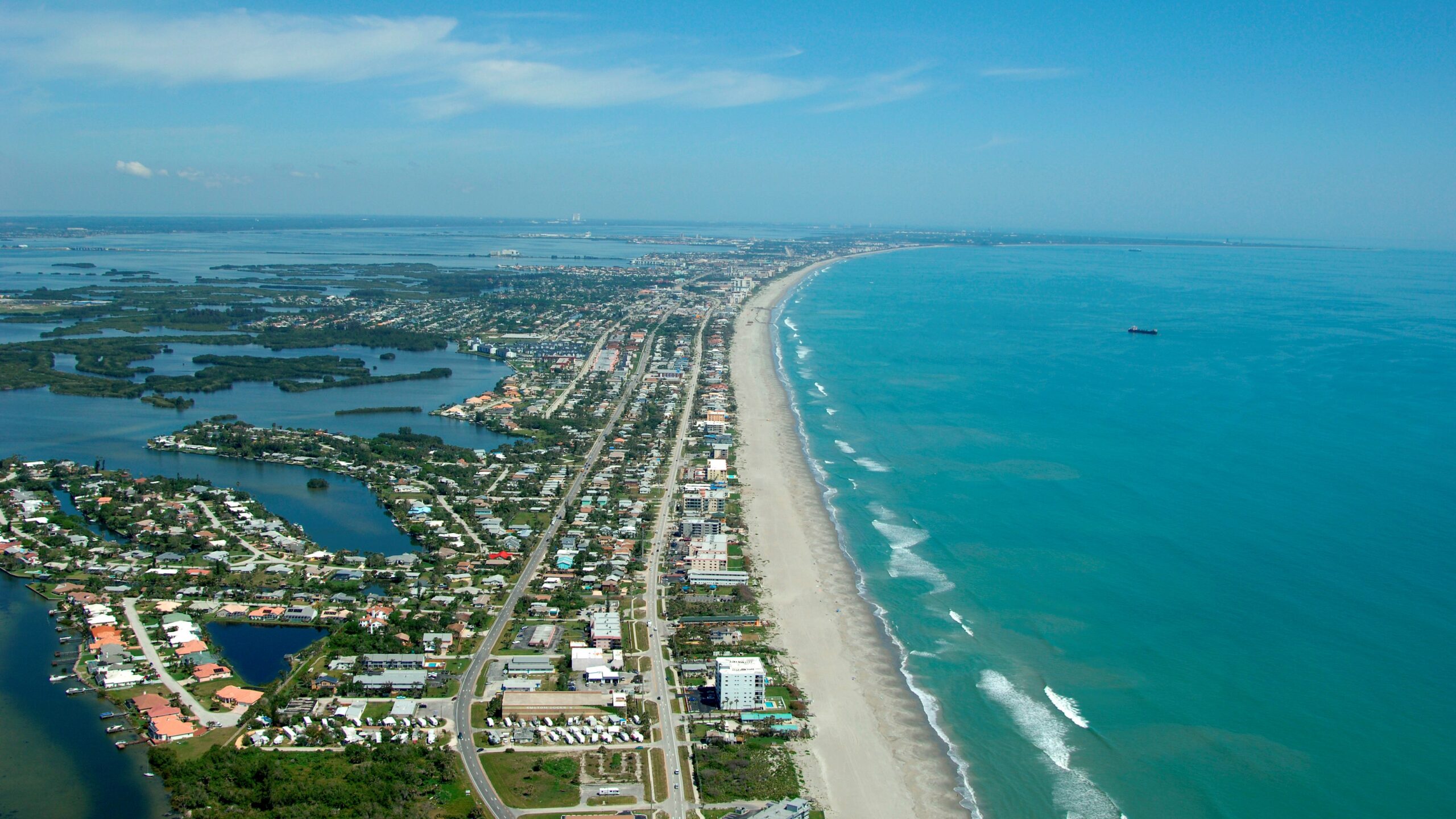
When salt air is the main threat, the material choice matters more than almost anything else, and the honest answer is that aluminum and steel behave very differently.
Aluminum is the standout for pure corrosion resistance. It does not rust, even when it stays wet, because it forms a thin, stable oxide layer that protects the metal underneath instead of flaking away like rust does. For a home right on the shoreline, that is a decisive advantage, and it is why aluminum and its frames dominate the most exposed coastal installations. The trade-offs are real, though: aluminum is softer, so it dents more easily than steel, it insulates less on its own, and a full aluminum door can cost more.
Steel is stronger, better at carrying insulation, and often less expensive, but bare steel rusts, so on the coast it only works when it is properly protected. That protection is the whole conversation, and it is worth understanding before you choose. The material decision is one piece of a larger choice we lay out in choosing the right garage door in Florida, where insulation, wind rating, and corrosion all pull in different directions.
Why Galvanized and Powder-Coated Steel Can Still Work
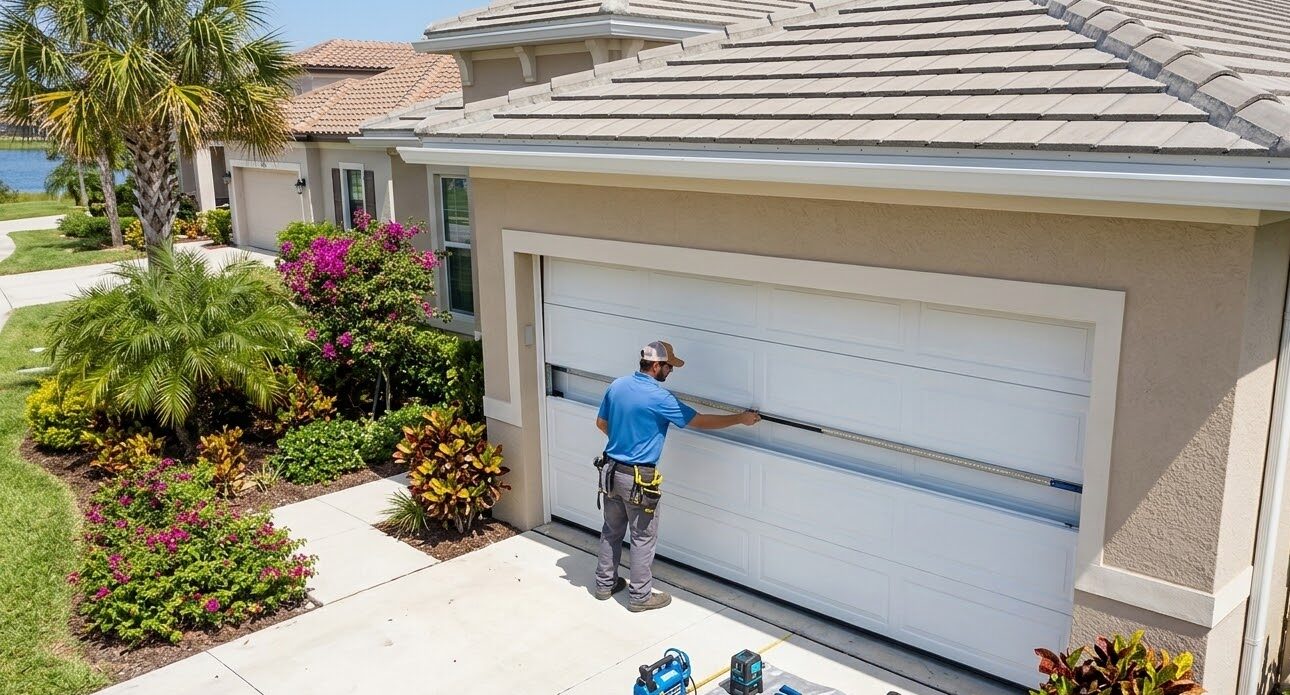
A quality steel garage door is not bare steel. Most are hot-dip galvanized, meaning the steel is coated in a layer of zinc that acts as a sacrificial barrier: the zinc absorbs the brunt of the salt and moisture and corrodes first, protecting the steel core beneath it. On top of that sits a baked-on finish, and a powder-coated finish in particular creates a durable, sealed barrier that resists salt and moisture far better than ordinary paint.
That combination makes steel genuinely viable even in a humid, salty climate, but with one catch that decides everything: the protection is only as good as it is intact. If the paint or powder coat is scratched down to raw steel, salt and moisture find that opening and rust starts there, spreading under the coating unless the scratch is cleaned and resealed quickly. So a coastal steel door is a maintained door. Inspect it for chips and scratches, touch them up before they spread, and keep the finish sealed. Do that and galvanized, powder-coated steel holds up well. Ignore it and the same door rusts from every nick. When a door is already past that point, a replacement built for the environment is the reset, which is what our garage door replacement service is for.
The Hardware Is Where Salt Wins First
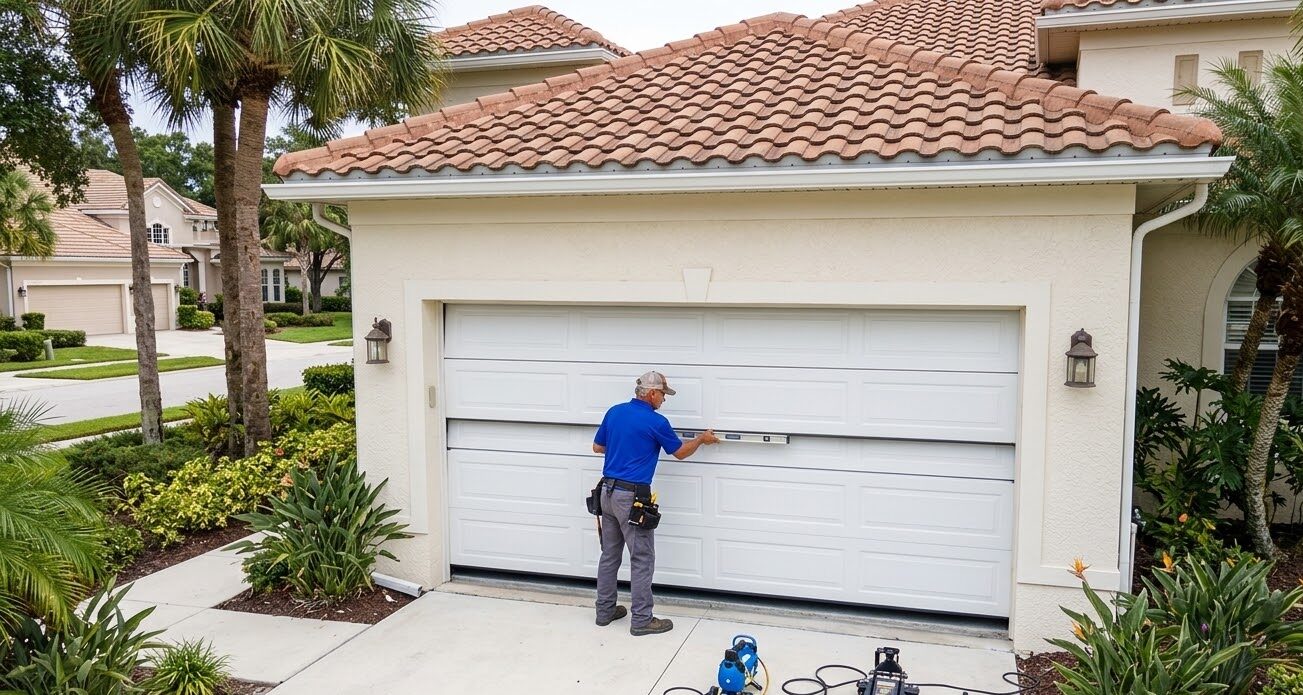
Homeowners focus on the panels because that is what they see, but salt attacks the hardware first, and the hardware is what actually fails. The springs, rollers, hinges, brackets, cables, and fasteners are smaller, often under tension, and frequently made of plain steel even on a good door, so they corrode ahead of the panels every time.
- Stainless steel hardware: On the coast, 304 or 316 grade stainless hinges, fasteners, and brackets offer dramatically better corrosion resistance than plain steel and are worth the upgrade.
- Powder-coated or galvanized parts: Where stainless is not used, powder-coated or galvanized hardware resists salt far better than bare, uncoated steel, which will rust quickly in salt air.
- Springs and cables: These are the highest-stress parts and the most dangerous to fail. Coated springs and corrosion-resistant cables last meaningfully longer near the water, and both should be inspected regularly.
- Rollers: Nylon rollers with sealed bearings avoid the rust that seizes cheap steel rollers and keeps them from dragging on the track.
Because the hardware is where corrosion shows up first, it is also the best early-warning system. Rust streaks on the springs or hinges are the door telling you salt is winning, and it is far cheaper to swap corroding hardware than to wait for a spring to snap. A regular garage door safety inspection catches exactly this before it becomes a breakdown.
The Monthly Rinse That Doubles Your Door's Life
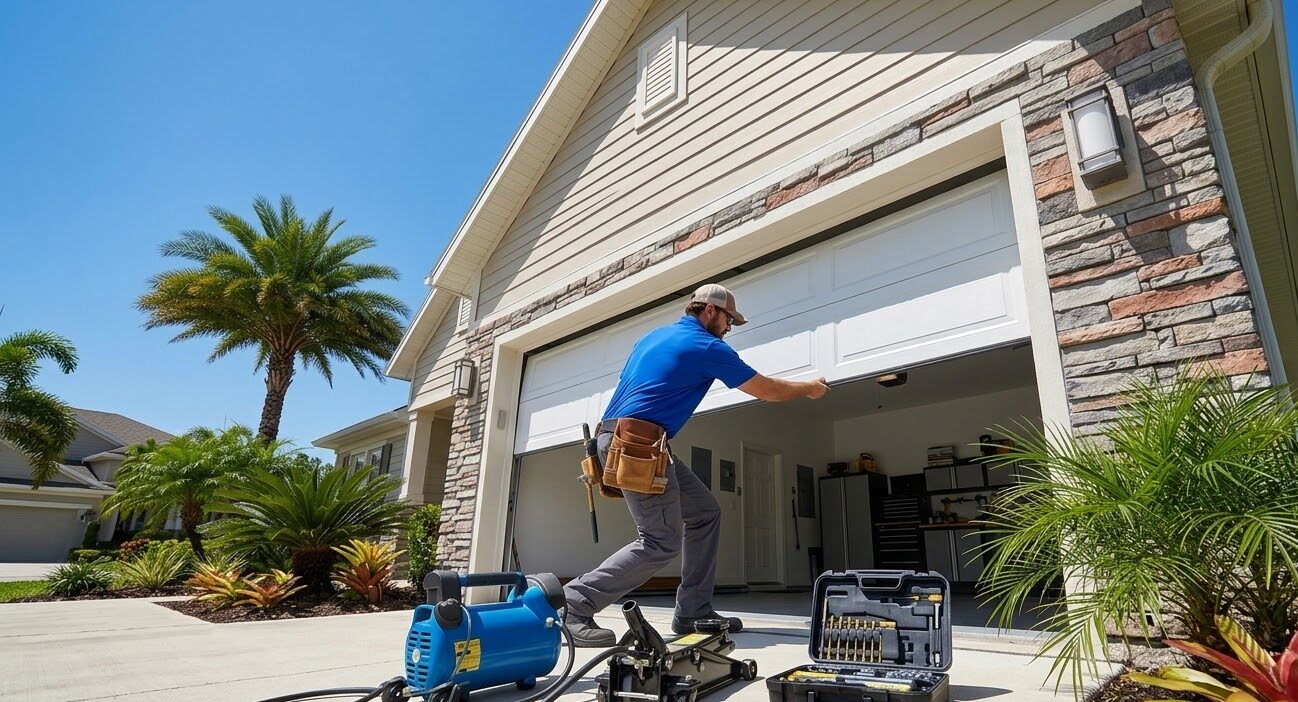
The single most effective thing a coastal homeowner can do costs nothing but a few minutes and a garden hose. Salt only corrodes while it is on the metal, so rinsing it off resets the clock. Once a month is the rule of thumb, and more often if the home is right on the shoreline, where salt builds up fast.
Two details make the difference. First, use plain fresh water and rinse the whole door, the panels, the frame, the tracks, and the visible hardware, to carry the salt crystals away before they can hold moisture against the metal. Second, do not use a pressure washer. High pressure drives water into the seams, the roller bearings, and the electronics, where it does more harm than the salt it removes. A gentle fresh-water rinse is the goal, not a blast. This one habit, done consistently, can add years to a coastal door and everything on it, and it is the cheapest maintenance in this entire guide.
Lubrication and Seals: The Two Maintenance Steps People Skip
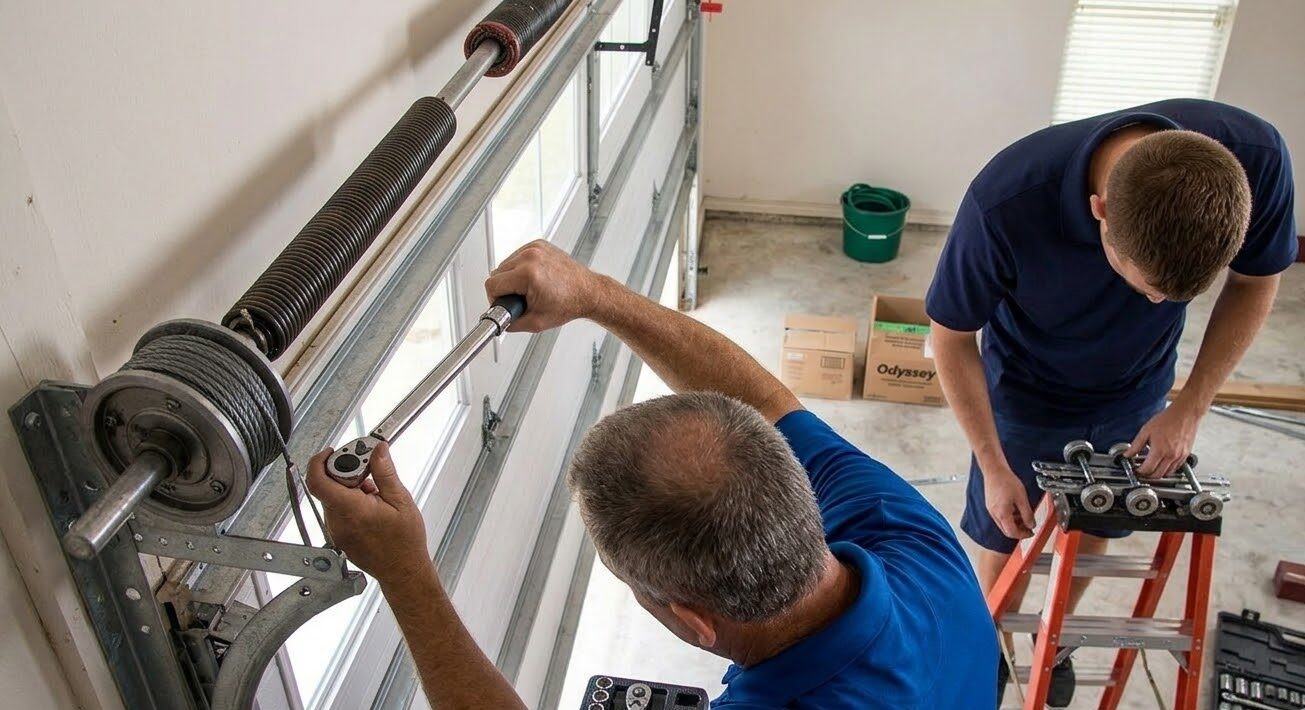
Two more low-effort steps decide how long a coastal door lasts. The first is lubrication. Rollers, hinges, springs, and tracks need a non-corrosive, manufacturer-approved lubricant that both protects the metal and keeps the door moving. Avoid petroleum-based products, which can degrade certain coatings and attract grit, and never use them as a substitute for cleaning off salt. A light, correct lubricant a few times a year keeps moving parts from binding and adds a thin protective film against moisture.
The second is the weather seal. The bottom seal and the perimeter weatherstripping keep salt spray, wind-driven rain, and humid air out of the garage and away from the inside face of the door and its hardware. When a seal cracks or gaps, it lets that salty moist air in, creating a hidden rust breeding ground along the door's edges and the tracks. Keeping the seals intact is cheap insurance, and replacing a worn one is a quick job. Our garage door weather seal replacement handles it, and the full seasonal routine is laid out in our garage door maintenance checklist.
It Is Not Only the Coast: Salt, Humidity and Inland Florida
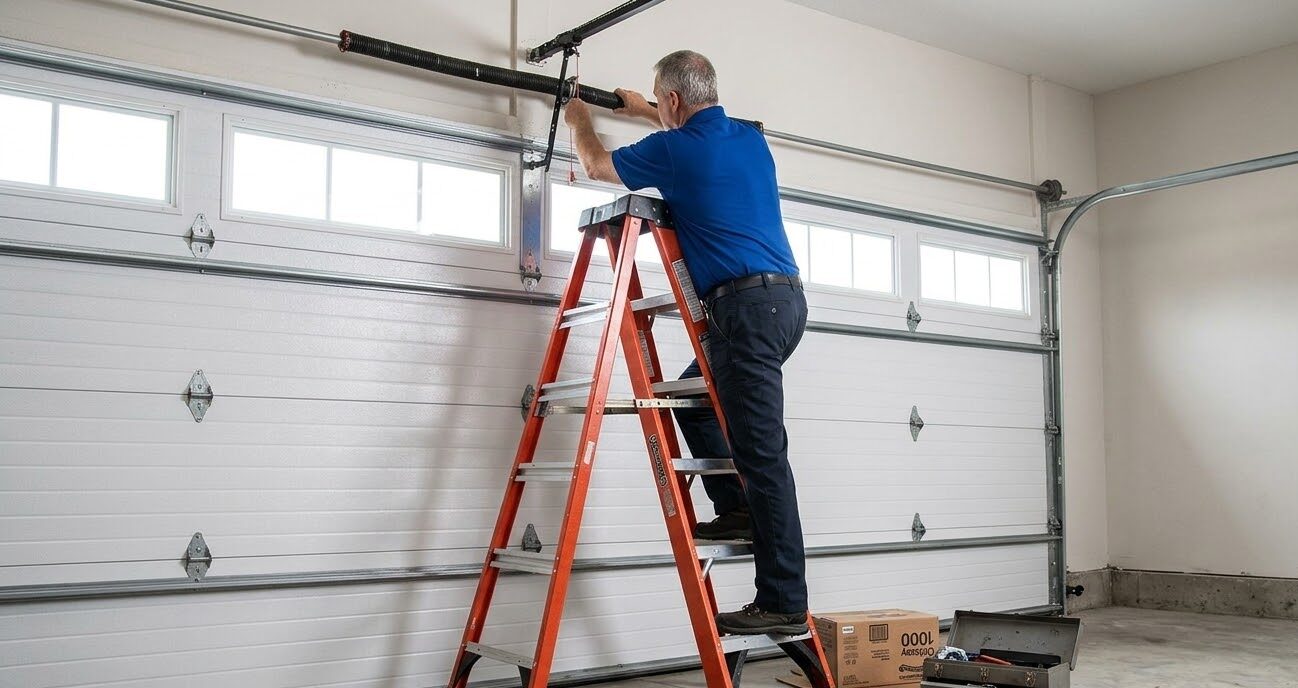
Salt corrosion is worst at the beach, but Florida makes the problem bigger than the coastline. The state's year-round humidity keeps metal damp far more than a dry climate does, and storm systems can carry salt aerosols well inland, so homes miles from the water still see accelerated corrosion compared to most of the country. A garage near a lake, in a low humid spot, or simply left open to damp air ages faster than the calendar suggests.
That means the same defenses matter across Polk County, not just on the shore: corrosion-resistant hardware, an intact finish, periodic rinsing during salty or stormy stretches, correct lubrication, and good seals. Rocket Garage Door Services works throughout Polk County, including Lakeland, Winter Haven, and Haines City, where humidity, not just salt, is the slow corrosion Floridians live with. Pairing the right door with insulation that also manages that moisture is covered in our insulated garage door R-value guide.
Protecting Your Door in Salt Air

Salt air is patient, so the defense has to be routine. Choose aluminum or properly galvanized and powder-coated steel, upgrade the hardware to stainless or coated parts, rinse the door with fresh water on a schedule, lubricate with the right product, and keep the seals intact. Do those things and a coastal Florida door reaches its full life instead of rusting out years early.
If your springs or hinges are streaked with rust, your door is dragging on corroded rollers, or you are choosing a new door for a salty or humid location, get it looked at before a part fails. Call (863) 624-3191 or book garage door maintenance, and we will check the hardware, the finish, and the seals and tell you honestly what the salt has reached and what it has not. For a door that is past saving, our custom garage door service starts by matching the material to how close you live to the water.