The Repair Is Never the Expensive Part
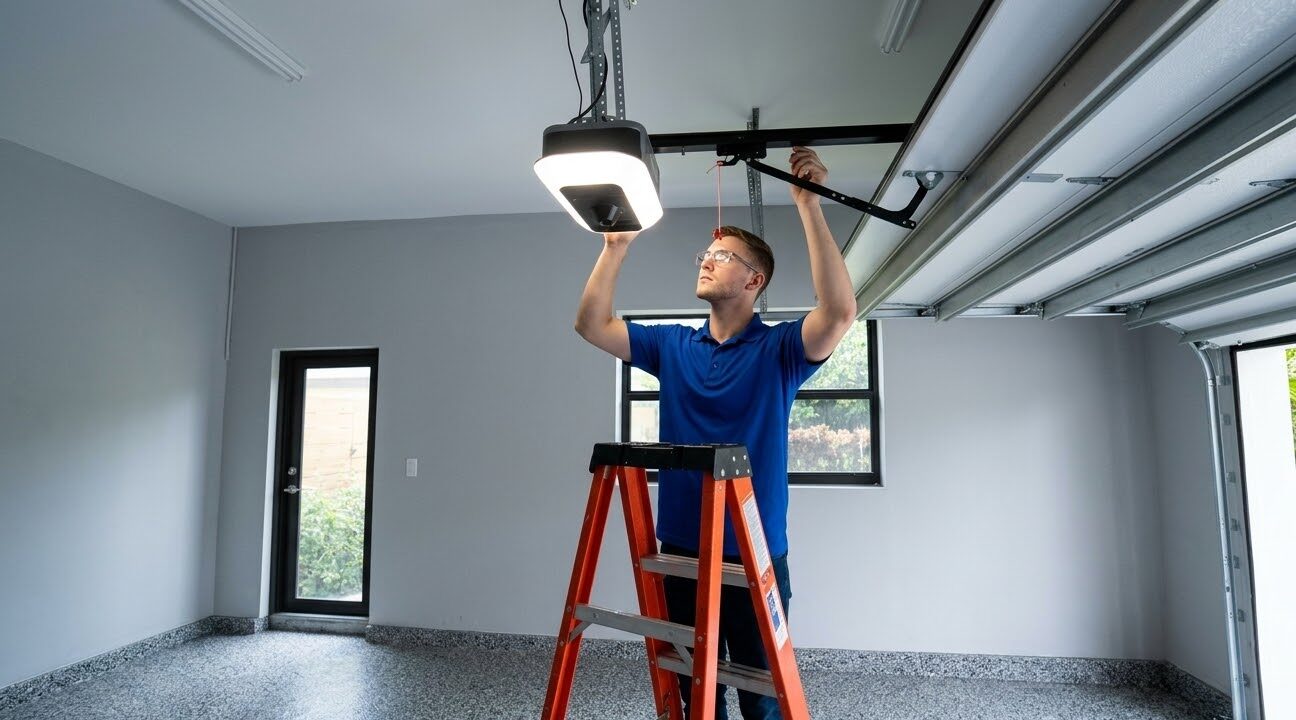
Run the arithmetic on a single failed door during a booked week, because most owners never do until it happens.
- The repair itself: A spring, a cable, an opener board, or a roller. Ordinary money, and the only line most owners think about in advance.
- The emergency premium: After hours and weekend rates exist everywhere, and peak season in Polk County is exactly when you will need them, because that is when the door is cycling most.
- The partial refund or the comped night: Frequently larger than the repair, and the guest is the one who decides whether it was warranted.
- The review: The line item with no ceiling. A single detailed one star about being locked out overnight suppresses bookings for months, and it arrives during the season when your nightly rate is highest.
- Your own hours: If you self manage from out of state, this failure lands at nine at night in a market where you do not have a relationship with anyone who picks up.
That is the actual exposure, and it is the reason contracted service exists as a product. You are not buying discounted repairs. You are buying a guaranteed answer during the hours when everything else is closed.
Why Rental Doors Wear Out Faster
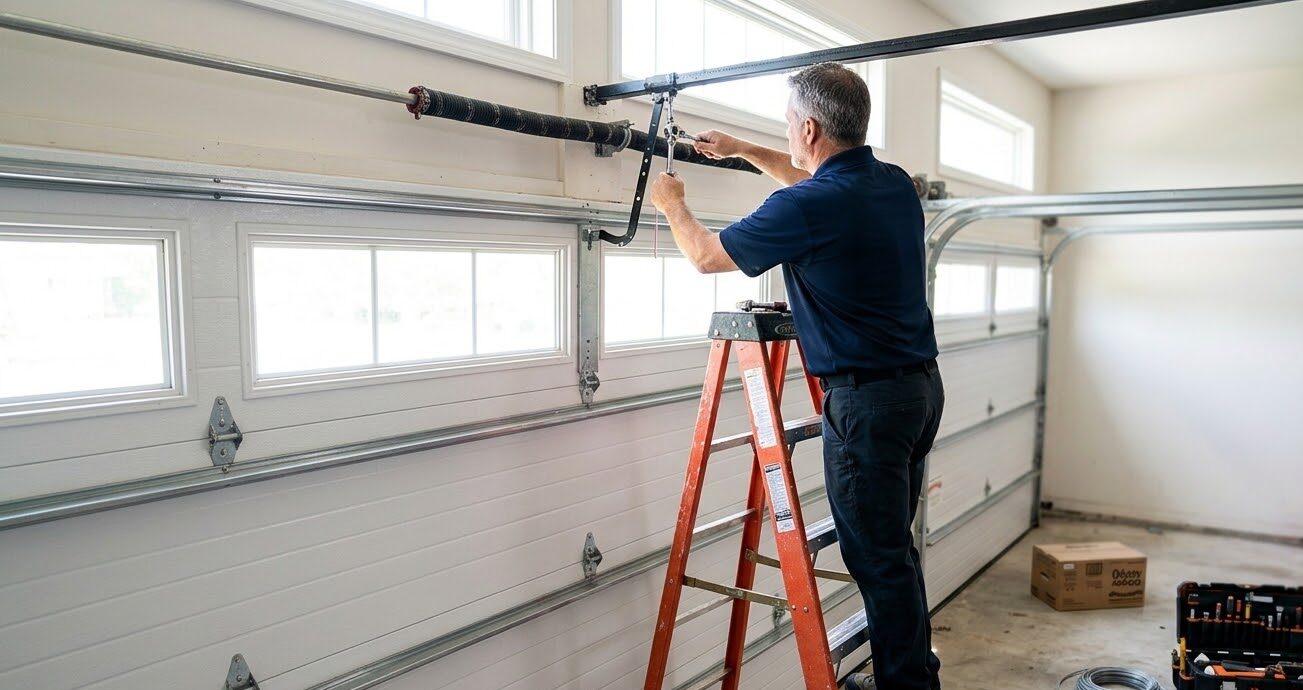
This is measurable, and it is the strongest argument for treating a rental door differently from a residential one.
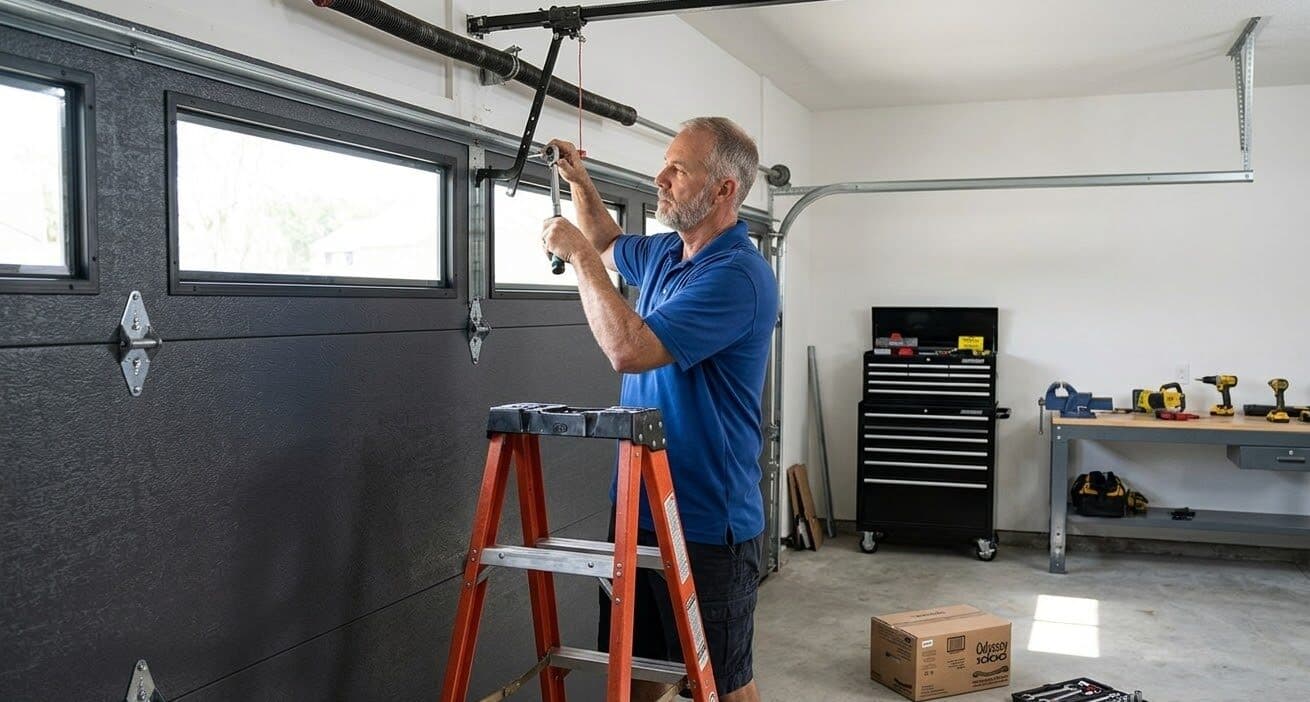
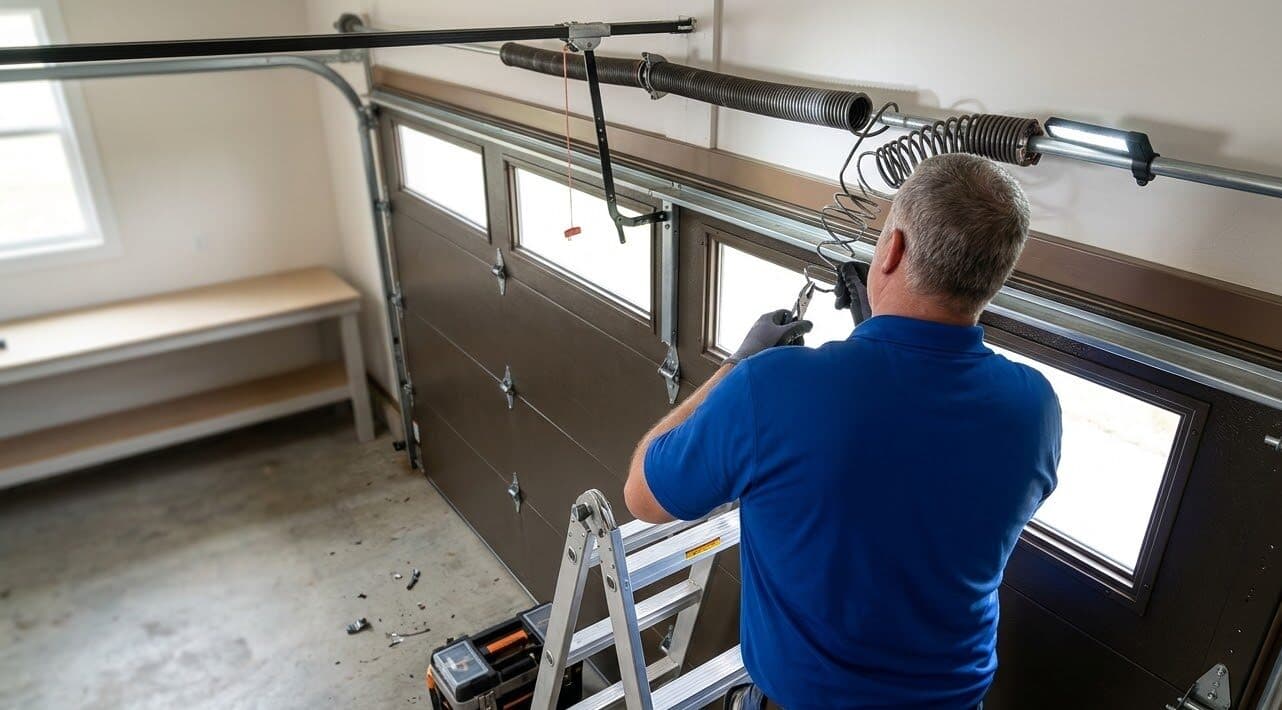
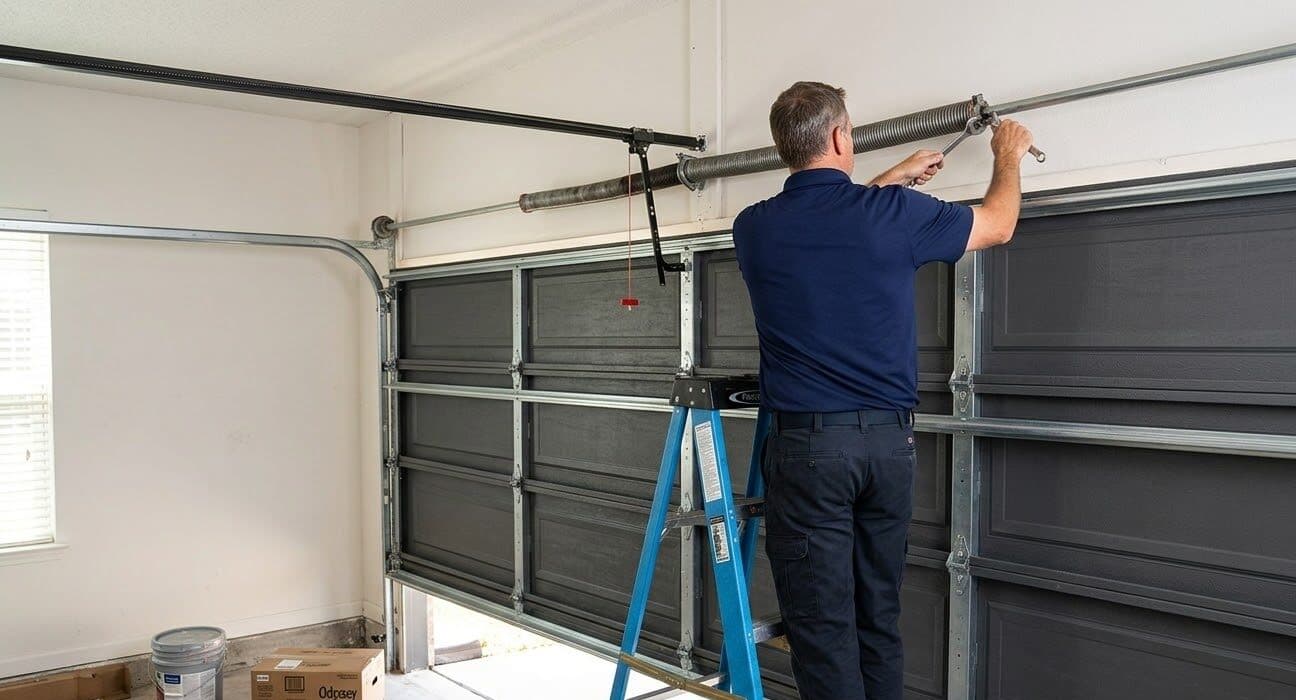
Garage door springs are rated in cycles, where one cycle is one full open and close. DASMA establishes the baseline residential spring rating at 10,000 cycles, corresponding to the minimum performance required under ANSI/DASMA 103. Manufacturers offer high cycle springs rated at 25,000, 50,000, and even 100,000 cycles for demanding applications, built with larger wire diameter, longer length, and more coils so the same stored force is distributed across more material.
Now compare usage. A typical owner occupied home runs a handful of cycles a day, and a 10,000 cycle spring lasts many years on that pattern. A short term rental behaves nothing like that. Every arrival and departure, every guest trip to the pool store or the park, every cleaning crew visit, every maintenance call, and in a four bedroom rental with two vehicles that count multiplies. Add turnovers, which in peak Davenport and Champions Gate season can mean a new party every few days, each one learning the door for the first time.
The consequence is straightforward: a spring specified for a family home can reach its rated life on a busy rental in a fraction of the expected time. Specifying high cycle springs on a rental property is not an upsell, it is matching the part to the duty. It is the single highest value upgrade on a short term rental door, and it is what a good spring replacement conversation should start with when the address is a rental.
Everything else on the door scales the same way. Rollers, hinges, cables, and opener gears all wear per cycle, which is why an annual inspection schedule built for a residence is simply the wrong interval for a rental.
The Compliance Layer Most Owners Skip
If you rent the property to guests more than three times in a calendar year for periods of less than 30 consecutive days, or you advertise it as regularly available for such stays, Florida treats it as a transient public lodging establishment. A vacation rental under Chapter 509 is any individually or collectively owned single family, two family, three family, or four family house or dwelling unit that meets that definition and is not a timeshare project, and it requires licensing through the Department of Business and Professional Regulation. Both conditions have to be met, meaning under 30 day stays and more than three times per year.
What that has to do with your garage door is the standard of care that comes with operating licensed lodging rather than lending a house to a friend. Two items matter specifically.
- Entrapment protection is federally required and must actually work. Since January 1, 1993, every residential garage door opener manufactured for sale in the United States has been required to include an entrapment protection system, with UL 325 defining what that protection has to do. Photoelectric eyes and edge sensors are the accepted external devices. On a rental with children in the property every week, misaligned or bypassed photo eyes are the defect you least want documented after an incident. Testing them takes under a minute, and the procedure is in our guide to garage door safety sensors.
- Your guests do not know your manual release. Florida has no law requiring battery backup on residential garage door openers, unlike California, which means that during any power outage an automatic opener without backup will not open the door. A resident knows where the red cord is. A guest who arrived four hours ago does not, and will not find it in the dark. Battery backup plus a laminated instruction card in the entry binder resolves this for a small fraction of one refunded night.
What a Service Contract Should Actually Guarantee
Most contracts are written around discounts. The valuable ones are written around time. Look for these terms in writing.
- A stated response window, including after hours. This is the entire product. A contract with no committed response time is a coupon book, not a service agreement.
- Priority dispatch over non contract calls. During storm season and peak season everyone is busy simultaneously. Position in queue is what you are paying to secure.
- Scheduled preventive visits at a rental appropriate interval, not the annual cadence sold to homeowners. Balance, spring tension, cable condition, roller wear, sensor alignment, opener force settings, and lubrication.
- Authorization thresholds. A dollar figure under which the contractor proceeds without reaching you. This is what prevents a two hundred dollar repair from waiting six hours because you were on a plane.
- Direct guest or property manager contact. Your cleaner or manager should be able to call it in without routing through you in another time zone.
- Parts stocking commitment for common failures. Springs, rollers, cables, and sensors. A same day response that ends in ordering a part is not a same day fix.
- Documentation after every visit. Dated service records matter for insurance and for your own liability position, and they are what let you spot a door that is failing repeatedly rather than randomly.
- Multi property terms if you own several. One agreement, one point of contact, per door pricing.
The preventive side of this is a defined program rather than an improvised one, and it is what our preventive maintenance plan is built around. Whether that plan is worth its price for a given property is a fair question, and we worked through the math openly in is a garage door maintenance plan worth it.
Response Time Is the Whole Product
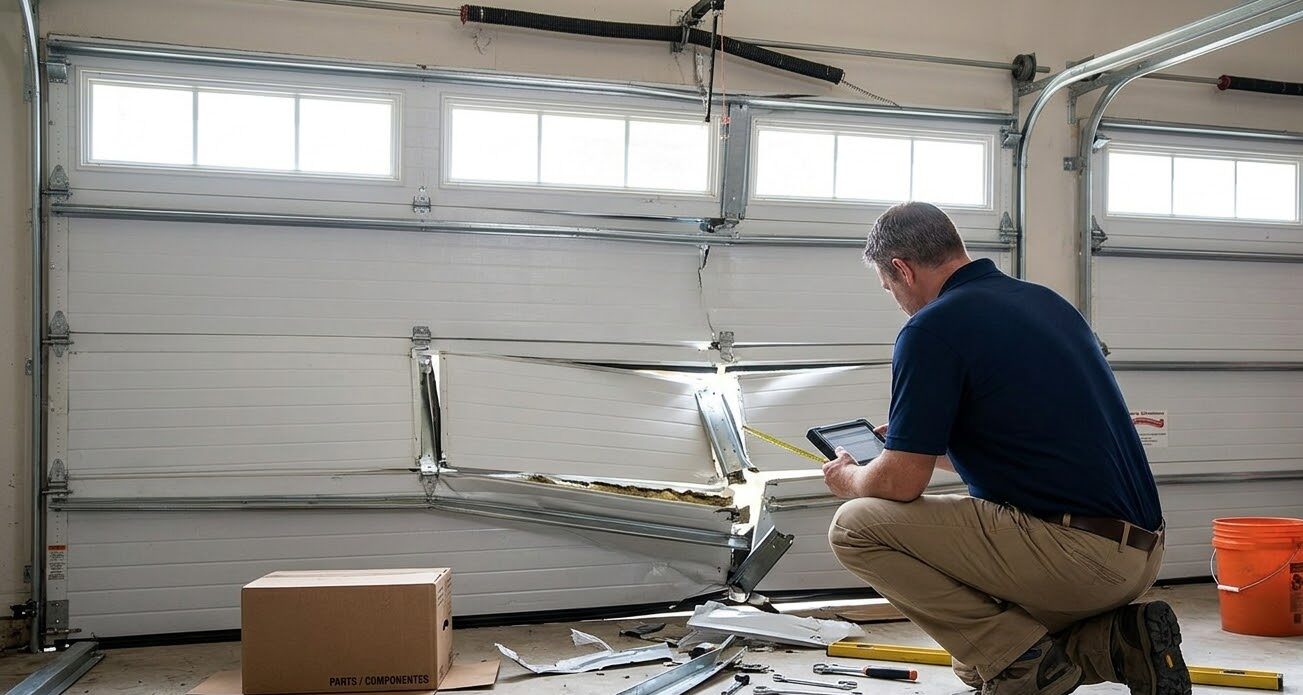
Owners tend to shop these agreements on monthly cost. That is the wrong axis. The variable that determines whether the contract paid for itself is how many hours pass between the guest's call and a working door.
Think in terms of the guest's day rather than your calendar. A door fixed within a few hours is an anecdote the guest may not even mention in the review. A door fixed the next afternoon is a refund conversation and a paragraph in the review. The gap between those two outcomes is measured in hours, and hours are precisely what a contracted response window buys.
This is also why local coverage matters more than brand. A national dispatch number that subcontracts to whoever is available in Central Florida cannot commit to a window. A contractor who already works garage door repair in Davenport and across Polk County daily can, because the truck is already in the corridor. When the failure happens outside business hours, emergency service in Haines City and the surrounding communities is the difference between a fix tonight and a fix tomorrow.
Contracted Versus Reactive, Honestly
A service contract is not automatically the right call, and any contractor who tells you it always is should be discounted accordingly. The math shifts on three variables.
- Occupancy. A property booked most of the year accumulates cycles fast and has almost no maintenance window. A property rented a dozen weekends a year does not, and reactive service is defensible.
- Distance from the property. An owner living twenty minutes away with a relationship with a local contractor already has an informal version of this. An out of state owner does not, and the contract is buying the relationship.
- Number of doors. One door is a judgment call. Four or more doors across several properties reaches the point where scheduled maintenance costs less than the failures it prevents, simply because the failure probability across a fleet is close to certain in any given season.
The honest summary: for a lightly booked single property near where you live, reactive service with a contractor you have actually met is reasonable. For a well booked property, or any portfolio, or any out of state owner, the contract wins on the first prevented failure of the year.
The Fleet Case
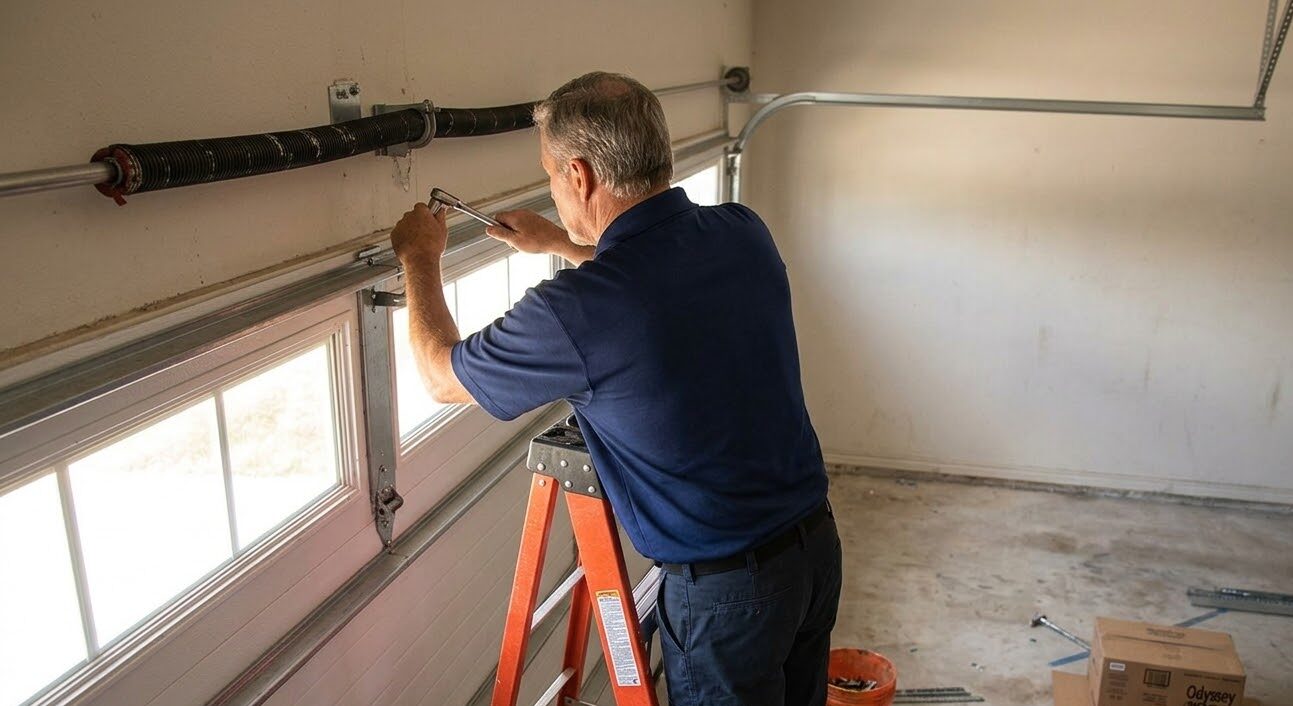
Owners with several doors in the Davenport, Haines City, and Champions Gate corridor operate what is functionally a small commercial account, and it should be priced and serviced like one.
- Route efficiency is real leverage. Four properties within a few miles is one dispatch, not four. That efficiency belongs in your per door rate, and you should ask for it directly.
- Standardize the hardware. Matching openers and remotes across properties means one set of spare parts, one set of programming instructions for your cleaning crew, and one guest instruction card you write once.
- Stagger preventive visits into booking gaps. With several properties there is nearly always one empty, which turns maintenance from a disruption into ordinary scheduling.
- Track failures per door. Across a fleet, one door failing repeatedly is a signal about that door, not bad luck. Service documentation is what surfaces it.
Owners running larger operations or a clubhouse and amenity building alongside the units should look at genuinely commercial equipment for the high traffic openings, which we covered in the commercial garage door ROI guide for Polk County. Equipment selection for those openings is a different conversation from residential, and it starts at commercial garage door installation.
Clauses Worth Striking
- Automatic renewal with a long cancellation notice. Annual terms are fine. A ninety day window to escape a contractor who stopped answering is not.
- Response times described as best effort. If the window is not a number, there is no window.
- Discounts on labor only, with parts at full retail. Read which half of the bill the discount actually touches.
- Exclusions for the failures you will actually have. Springs and cables are the most common rental failures. An agreement that excludes them has excluded the reason you signed it.
- Storm and peak season carve outs. Suspending the response guarantee during high demand periods removes the guarantee from exactly the weeks you needed it.
- No documentation requirement. If visits are not documented, you cannot prove maintenance to an insurer and you cannot tell whether the visits happened.
What to Do Before the Next Booking Gap
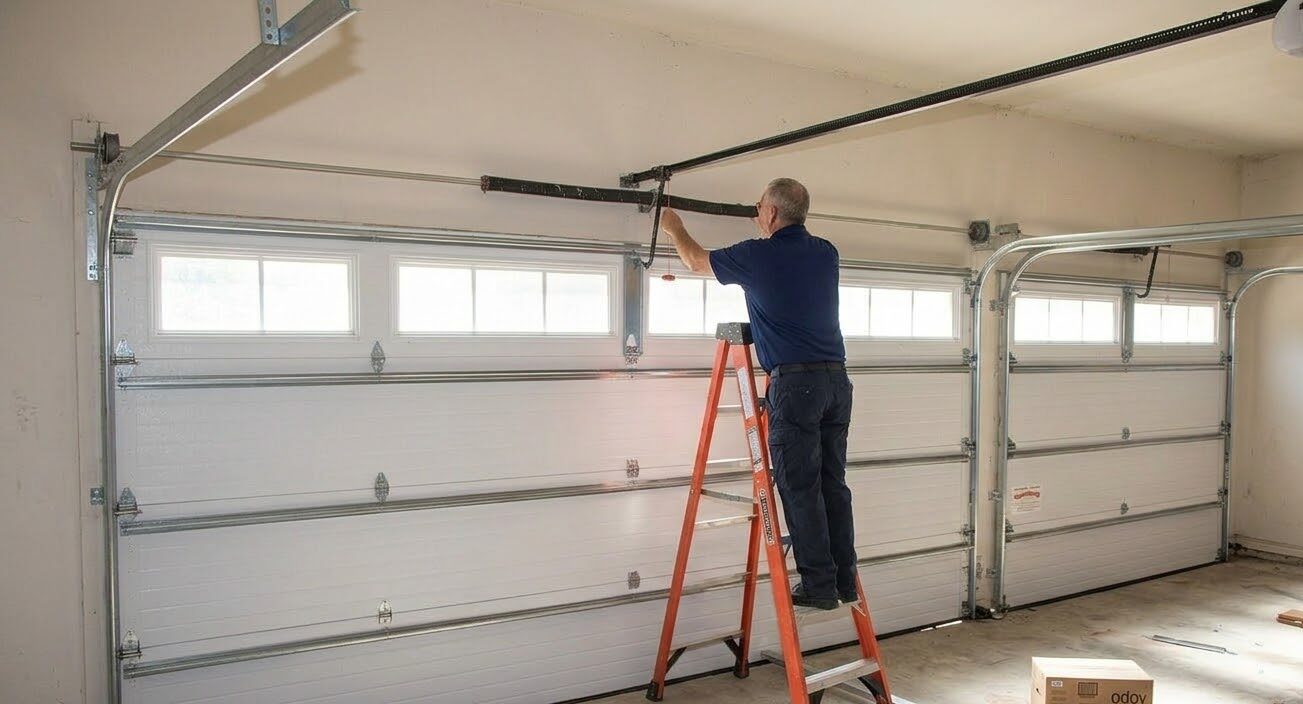
A practical sequence that does not require taking the property offline.
- Get a baseline safety inspection covering balance, spring condition and cycle rating, cable wear, sensor alignment, and opener force settings, so you know what you actually have.
- Upgrade to high cycle springs at the next replacement rather than replacing like for like. The labor is already being spent.
- Add battery backup and a laminated manual release card in the guest binder.
- Standardize openers and remotes across properties as they come due, rather than all at once.
- Put a response window in writing with a local contractor before peak season, not during it.
None of that is expensive relative to one refunded stay. The point of a service contract on a short term rental is not saving money on repairs. It is making sure the failure that eventually happens becomes a two hour story instead of a one star review that outlives the repair by a year.
Rocket Garage Door Services works throughout Polk County and the Central Florida vacation rental corridor. To put a response window and a maintenance schedule in place before your next peak season, call (863) 624-3191.