The Number That Explains Every Commercial Door Failure
A typical Polk County homeowner opens and closes their garage door two or three times a day, which lands somewhere around 1,000 to 1,500 cycles a year. A busy warehouse or loading dock door can run 20,000 cycles or more in the same year. That is not a slightly heavier duty. It is more than ten times the work, on hardware that frequently came off the same shelf.
Everything that goes wrong on a commercial door in Central Florida traces back to that gap. The parts are not defective. They are being asked to deliver a residential service life against a commercial duty cycle, and the arithmetic finishes the job in months rather than years.
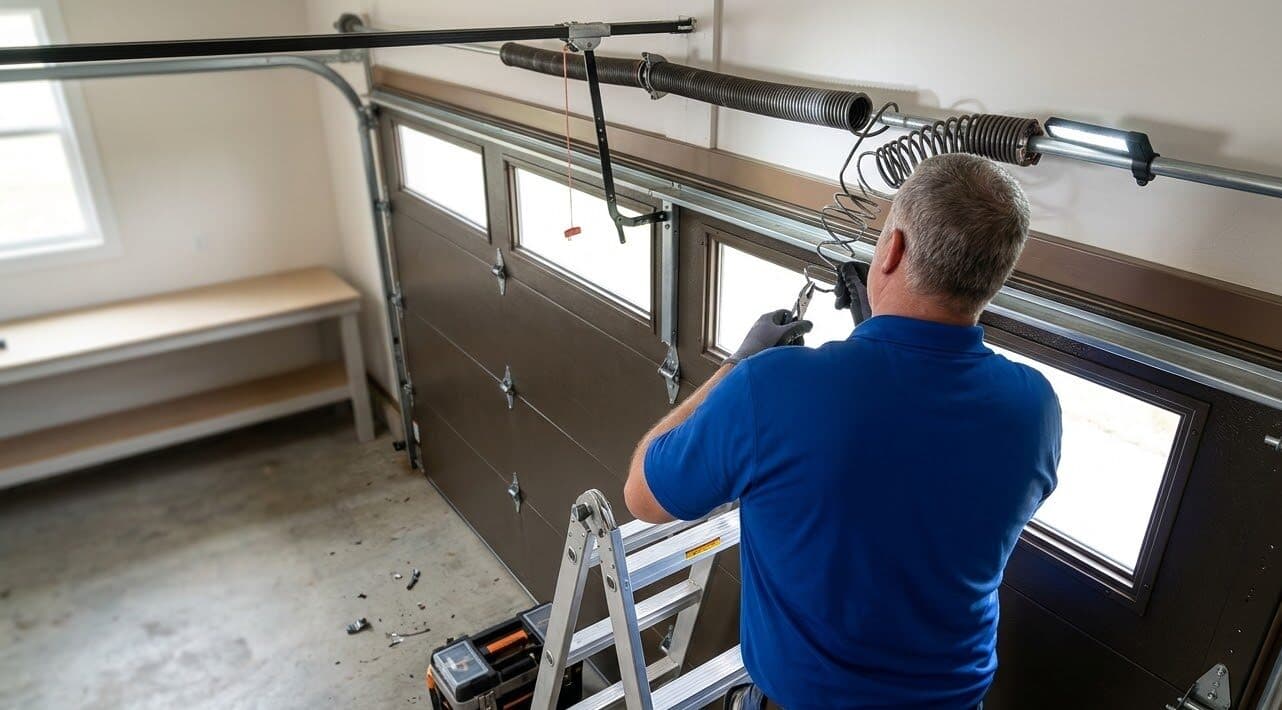
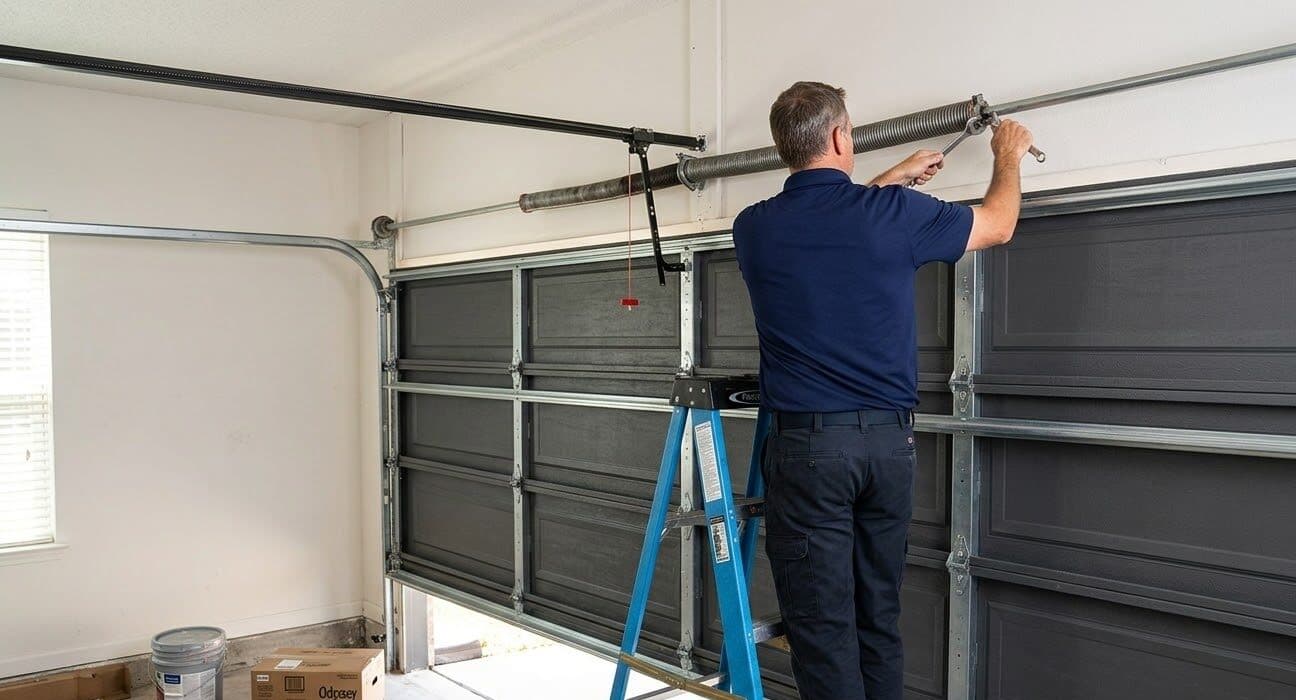
The standard torsion spring is rated at 10,000 cycles. On a house, at roughly 1,000 cycles a year, that rating is why torsion springs commonly last 7 to 12 years. Put that same 10,000-cycle spring on a door running 20,000 cycles a year and it is consumed in about six months. The spring did exactly what it was rated to do. It was simply the wrong part for the building.
This is the entire commercial garage door ROI conversation. Not brand, not appearance, not opener horsepower. Cycle rating, duty-matched components and a service interval keyed to actual usage rather than the calendar.
What a Cycle Rating Actually Measures
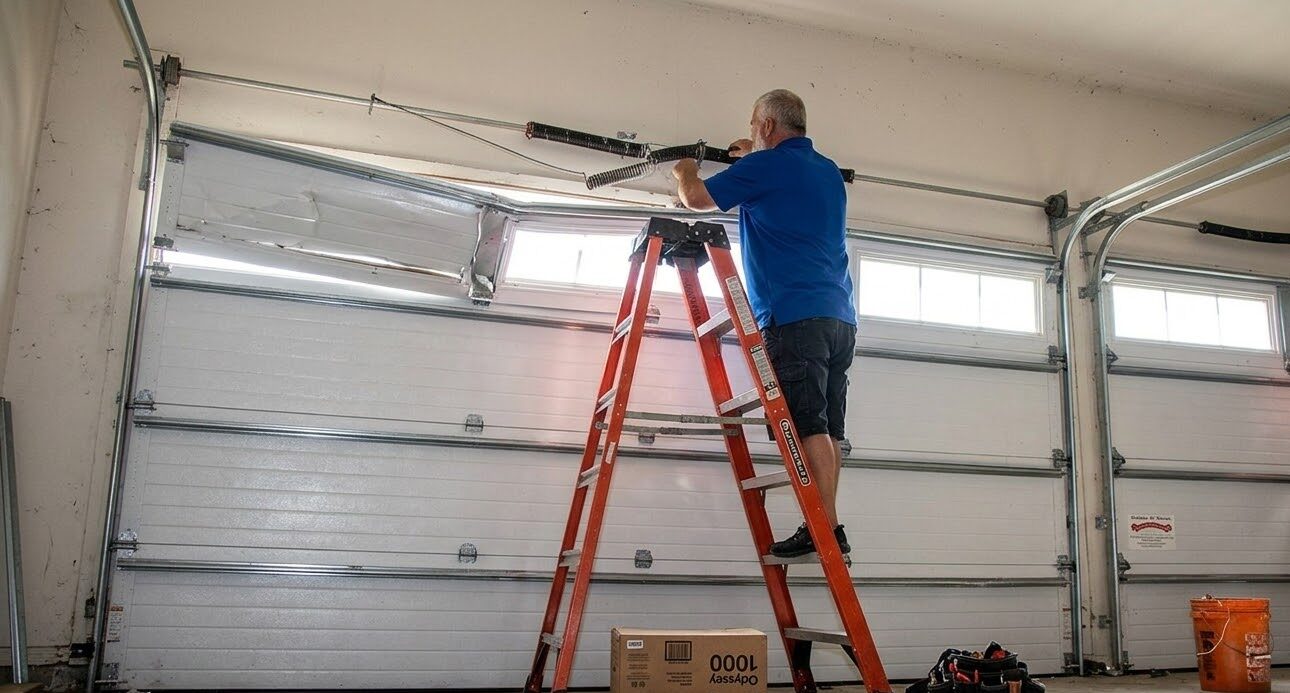
A cycle rating is a fatigue number, not a strength number, and that distinction is where most purchasing decisions go wrong.
One cycle is one full open and one full close. Each cycle winds and unwinds the spring through its full travel, and every one of those windings works the steel. A 10,000-cycle spring and a 25,000-cycle spring can lift precisely the same door weight. The difference is that the high-cycle spring is built from thicker wire on a larger inside diameter with more coils, so that at the same load, the stress in the steel per cycle is lower. Lower stress per cycle equals more cycles before fatigue failure.
Two practical consequences follow. First, upgrading to a high-cycle spring does not mean your door can be heavier or your opener smaller. It means the same lifting job wears the spring more slowly. Second, and this is what surprises facility managers: a high-cycle spring is physically larger, so it needs adequate shaft length and headroom. On some existing commercial installations the upgrade requires a hardware change beyond the spring itself, which is worth knowing before it becomes a surprise on the invoice.
The 25,000-plus cycle spring is roughly two and a half times the rating of the standard part. Against a 20,000 cycle per year door that is still only about fifteen months. Which means on genuinely high-traffic doors the correct answer is not one upgrade but a matched system: high-cycle springs, heavier bearings, commercial-grade rollers and hinges, and a jackshaft or trolley operator built for continuous duty.
Running the ROI on a Single Bay
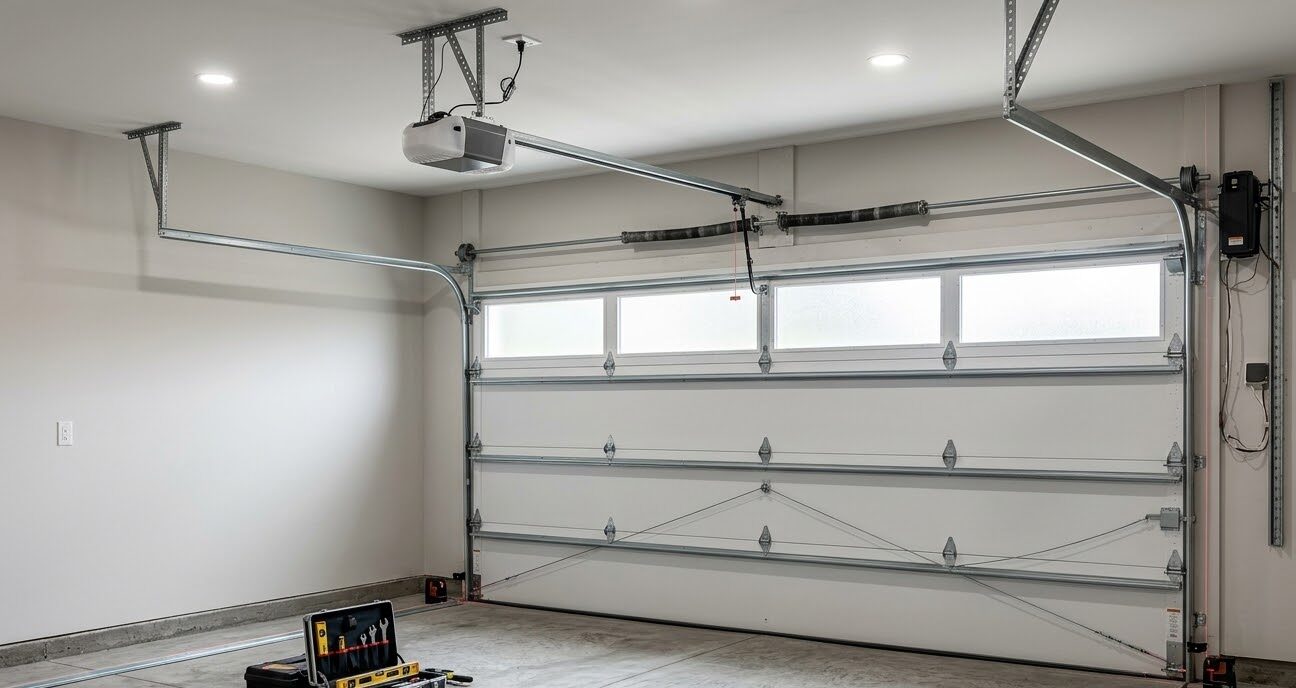
Take one commercial door in Lakeland or Winter Haven cycling around 20,000 times a year, which is normal for an active receiving bay.
- Path A, residential-grade parts: a 10,000-cycle spring is spent in roughly six months. Two spring replacements a year, each an unscheduled failure, because springs do not announce themselves. Add rollers and hinges consumed at a similar pace.
- Path B, duty-matched parts plus a service plan: high-cycle springs at 25,000-plus, commercial rollers and bearings, and a scheduled inspection interval that catches wear before it becomes breakage. Preventive maintenance for commercial dock doors runs a few hundred dollars per door per year, with loading dock preventive contracts commonly starting around $400 per bay annually and a standard commercial tune-up running roughly $100 to $120 per door.
The cost that decides it is not the parts. It is the downtime. An offline loading dock costs an estimated $1,700 per hour in lost productivity and operational disruption. A single mechanical failure at a dock, counting 6 to 48 hours of downtime, has been costed at $7,000 to $57,000 in lost throughput and labor. Emergency replacement of a commercial door can run $5,000 to $15,000 against preventive maintenance measured in hundreds.
Put a modest number on it. If a spring fails at 10am on a Tuesday and the door is down for four hours, at $1,700 per hour that is $6,800 in disruption for a part that costs a fraction of that. Do that twice a year and the residential-parts decision has cost more in a single year than a decade of correct hardware and scheduled service. Proactive maintenance programs are commonly credited with cutting overall maintenance cost by 30% to 40%, and that figure does not even count the downtime avoided.
What a Commercial Door Costs to Buy in 2026
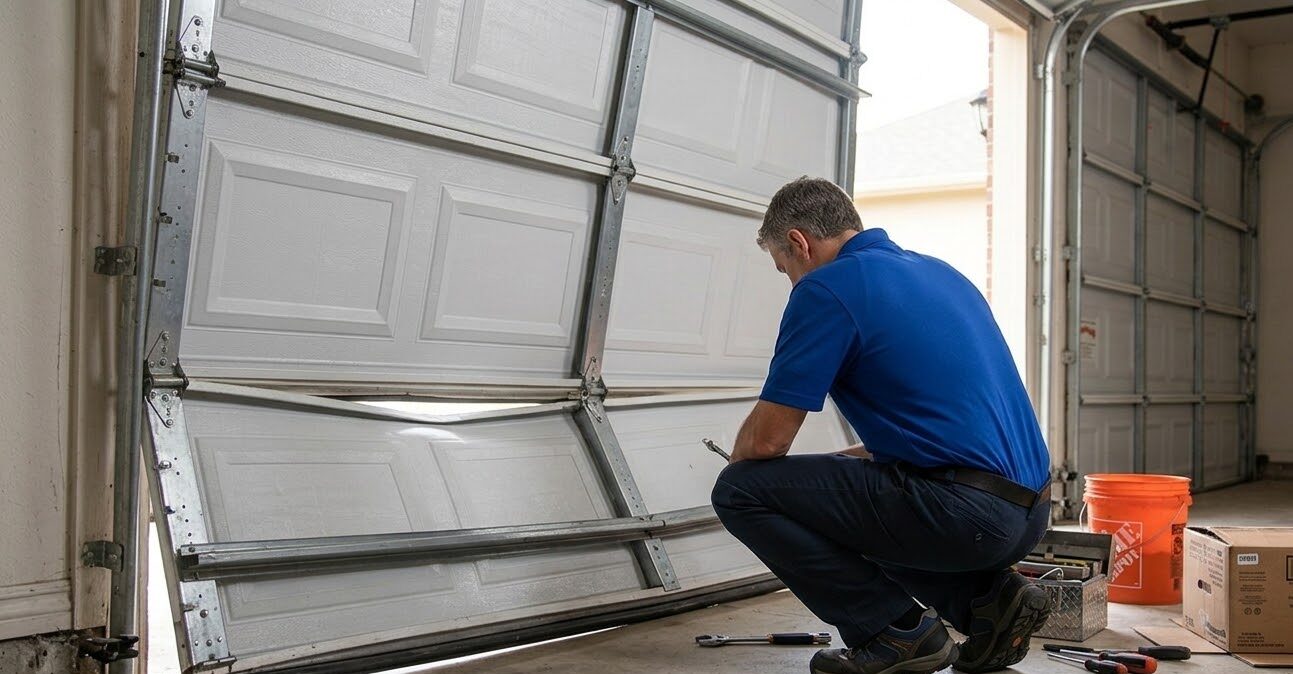
Before the maintenance math there is the acquisition math, and the range is wide because "commercial garage door" describes several different products.
- Sectional steel commercial doors: roughly $1,500 to $5,000 installed for standard configurations, with typical replacements landing around $2,000 to $7,000 depending on size and specification.
- Rolling steel or roll-up doors: roughly $2,500 to $8,000 installed, the common choice for warehouses and retail where headroom is limited.
- Insulated and heavy-duty doors: roughly $4,000 to $10,000, which is where most climate-controlled Florida applications land.
- High-speed and oversized doors: $10,000 to $20,000 and up, reaching $25,000 or more for the largest and fastest units.
- Commercial opener: commonly adds $600 to $1,500 on top of the door.
Service life on a properly specified and maintained commercial door runs 15 to 30 years, and routine service including lubrication, inspection and small repairs is credited with extending lifespan by as much as 50%. That is the real return: a $6,000 door that lasts 25 years costs $240 a year, while the same door neglected into a 12-year life costs $500 a year before counting any of the emergency calls along the way. Specification and installation for new bays is what we handle under commercial garage door installation.
The Safety Rules Are Different on a Commercial Door
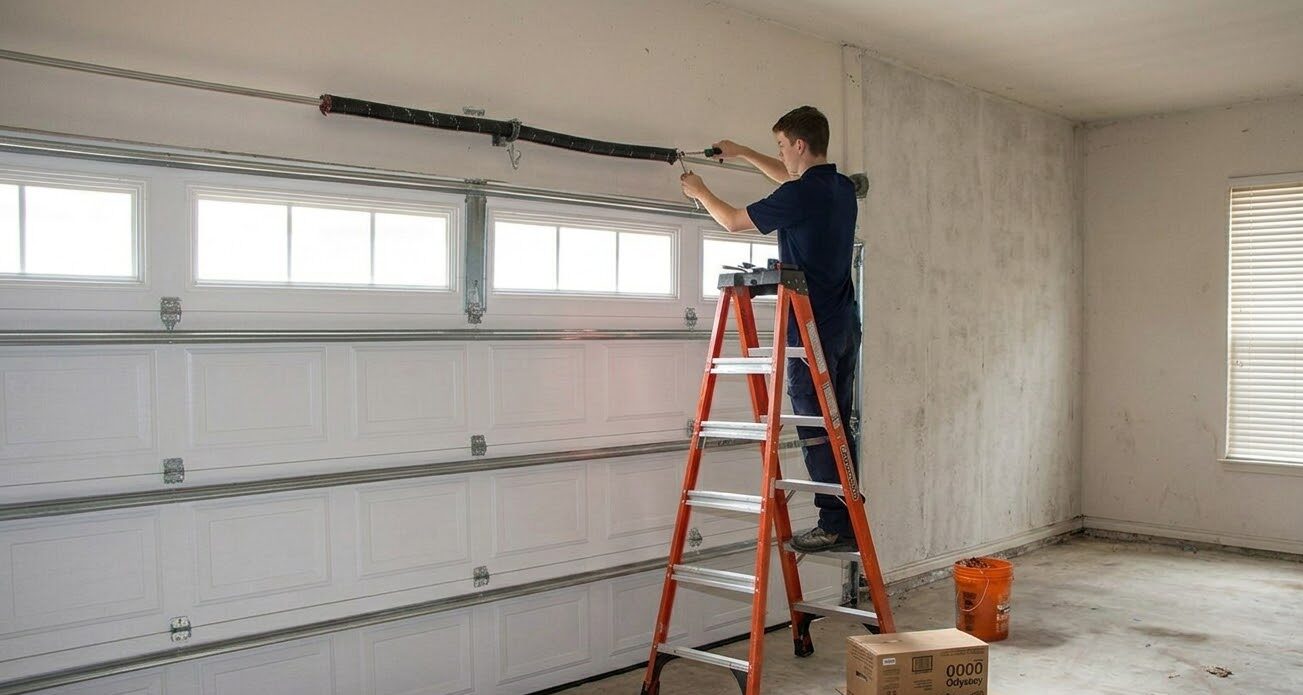
This is the section most business owners have never been walked through, and it carries liability rather than just cost.
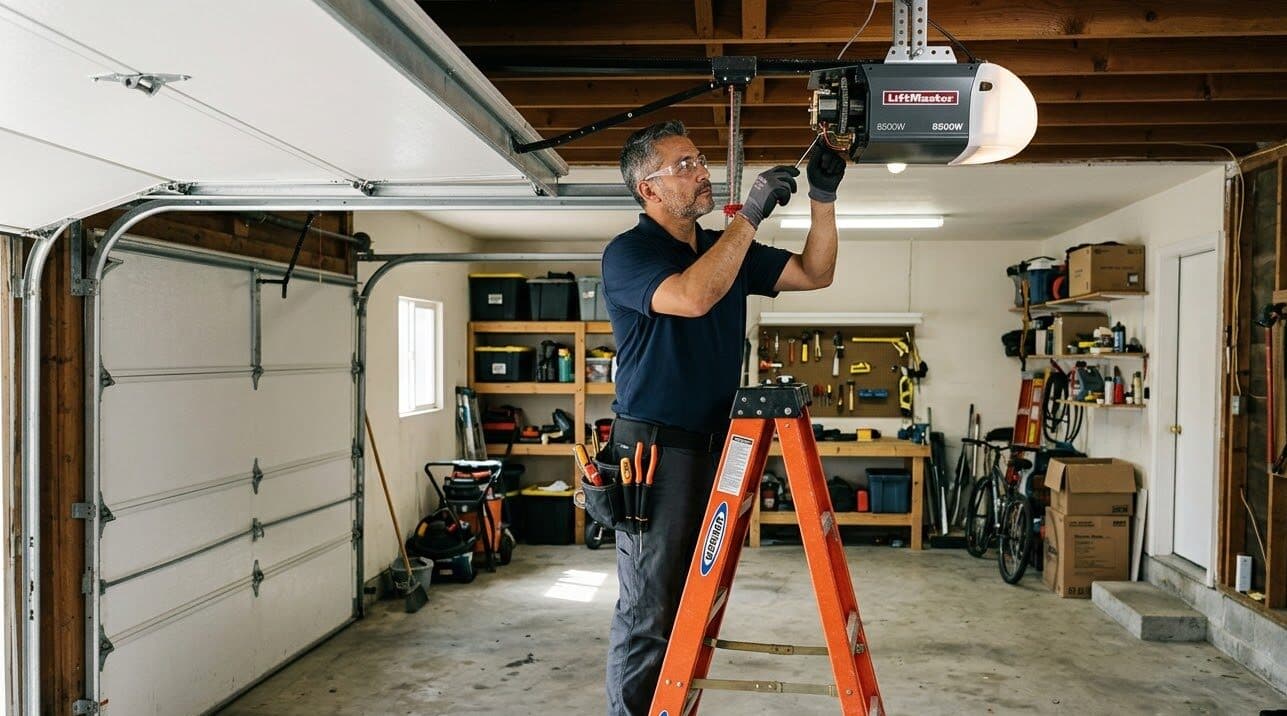
Commercial door operators are governed by UL 325, and the requirements are not the same as the photo-eye rule most people know from residential doors. Since 2010, commercial door operators bearing the UL label must continuously monitor their safety devices, meaning photo eyes and sensing edges are checked by the operator for both proper function and proper connection. If a monitored device is not present and working, the operator must fall back to constant-pressure-to-close operation, where someone has to hold the button down for the door to close at all.
The 2016 revision tightened this further, requiring each entrapment point to be covered by two monitored entrapment protection means, including the operator's inherent reversing system plus monitored photo eyes and sensing edges. The sensor serving as the external device must be monitored at minimum once per cycle.
Three practical implications for a Polk County business. First, a door that closes only when someone holds the button is not broken, it is a compliant operator telling you its monitored safety device is missing or failed. Second, bypassing or jumpering a monitored safety device to restore normal operation defeats the exact protection the standard requires and creates an obvious liability position. Third, monitored edges and eyes are consumables in a Florida environment, where humidity, dust and forklift contact end them regularly, which is a reason for a scheduled inspection rather than a call when something stops. The residential version of the same principle is covered in our guide to testing garage door safety sensors, and commercial inspection work sits under garage door safety inspection.
The Florida Variables: Salt, Humidity and Wind Code
Central Florida adds three factors to commercial door economics that a national cost guide will not price for you.
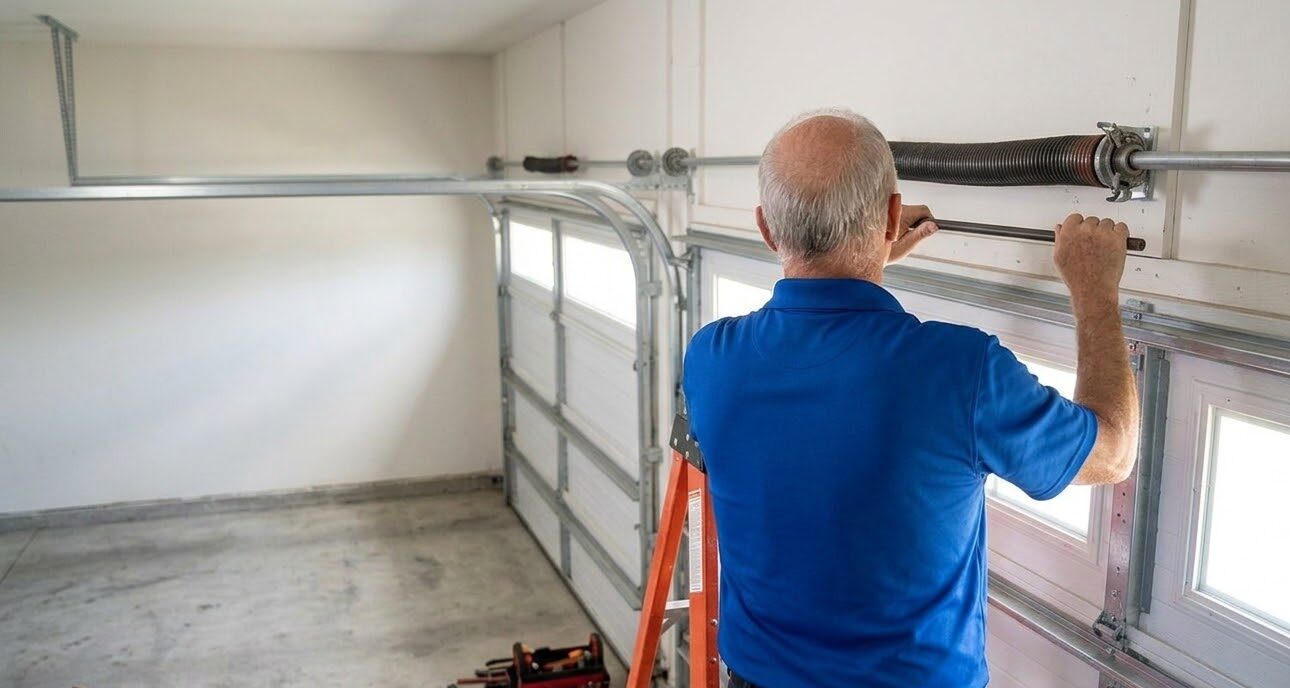
Corrosion. Humidity is constant here and coastal properties add airborne salt. Springs, cables, bearings, tracks and fasteners corrode, and a corroded spring fails below its cycle rating because pitting concentrates stress. This is the mechanism that makes an unlubricated commercial door in Florida underperform the same door in a dry climate, and the reason lubrication is not a cosmetic item on a maintenance checklist. We cover the material side of this for coastal properties in our guide to salt air corrosion on Florida garage doors.
Wind load. Commercial doors are large openings in the building envelope, and in Florida a large opening that fails during a storm pressurizes the structure from the inside, which is how roofs leave buildings. Wind load rating for a commercial door is a code question tied to the building's design pressures, not a preference, and reinforcement options for existing doors are covered under hurricane reinforcement upgrades. The residential code side is laid out in our hurricane rated garage door guide.
Heat cycling. A steel door in direct Florida sun expands and contracts daily. That movement loosens fasteners, drifts opener limit settings and works track alignment out of true over time. It is the quiet reason a door that was perfect in March starts reversing unpredictably in August.
How Often to Service, by Actual Usage

The single most useful change a facility manager can make is to stop scheduling door service by the calendar and start scheduling it by cycles. Commercial doors belong on a cycle-based preventive schedule.
- Low-traffic commercial doors, such as a storage bay or a secondary access door under roughly 3,000 cycles a year: service twice a year.
- Moderate-traffic doors, such as a service shop bay or fleet door in the 5,000 to 10,000 cycle range: quarterly.
- High-traffic doors, busy loading docks and fleet bays above 15,000 cycles a year: quarterly at minimum, monthly on the busiest bays.
Counting cycles is easier than it sounds. Most commercial operators have a cycle counter, and where they do not, an estimate from daily truck or vehicle movements multiplied by working days is close enough to pick the right interval. What matters is that the interval is derived from the duty rather than from habit.
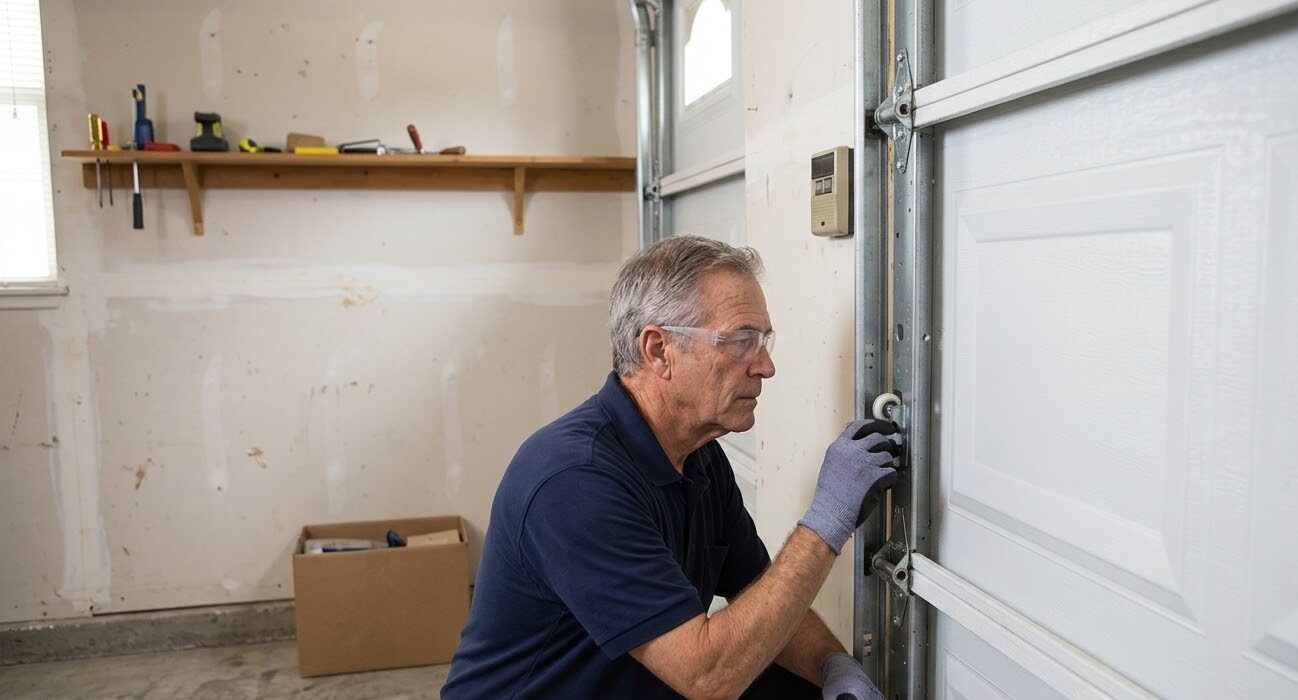
The service visit itself should cover spring condition and remaining cycle estimate, cable wear at the drum and bottom fixture, roller and bearing condition, track alignment and fastener torque, lubrication, door balance tested with the operator disconnected, opener force and limit settings, and a functional test of every monitored safety device. Balance is worth calling out because it is the cheapest diagnostic there is: a door that will not stay put halfway when disconnected is putting the difference into the opener, and the opener will eventually send you the bill. We run that work under our preventive maintenance plan and tune-up and maintenance.
Repair or Replace: The Commercial Version of the Question
The residential rule of thumb, comparing repair cost against a share of replacement cost, does not transfer cleanly to a commercial bay because downtime is on the table. Four questions sort it.
- How many separate failures in the last twelve months? Two or more unscheduled failures on the same door usually means the door is under-specified for its duty rather than unlucky, and the next repair buys you a few months.
- Is the door section damaged or just the hardware? Springs, cables, rollers and openers are all serviceable at reasonable cost. Impact damage to panels on a commercial sectional door is where replacement economics take over, particularly if panel stock for that model is discontinued.
- Does the current door meet the wind load requirement for the opening? If it does not, a repair reinstates a known deficiency, and replacement is doing two jobs at once.
- What does an hour of downtime cost this specific bay? At $1,700 per hour a planned Saturday replacement is dramatically cheaper than three Tuesday-morning emergencies, even when the parts cost more.
The general framework for that decision, and the numbers behind it, are in our guide to opener repair versus replacement.
What to Ask For in a Commercial Quote

Commercial door quotes are easy to compare once you force five specifications onto the page. Any qualified contractor produces all five without hesitation.
- Spring cycle rating, stated as a number. "Heavy duty springs" is not a specification. 10,000, 25,000 or higher is.
- Estimated annual cycles for the bay, and the resulting expected spring service life in months. This is the line that reveals whether the quote was engineered or copied.
- Operator duty classification, and whether it is rated for the cycles per hour this bay actually runs. Continuous duty is a rating, not an adjective.
- Monitored entrapment protection, which devices, and confirmation the assembly meets UL 325 requirements for the application.
- Wind load rating, and the design pressure it was selected against for this opening.
Rocket Garage Door Services works commercial and fleet bays across Polk County, including Lakeland, Winter Haven and Bartow. If a bay is failing more than once a year, the cheapest call is the one that counts its cycles and specifies to them. Reach us at (863) 624-3191 or through our contact page, and for a door that is already down, emergency service is the faster path.