The Question Behind the Question
Nobody actually wants to know whether garage door maintenance is a good idea. Of course it is. What people want to know is whether paying a company on a recurring basis beats calling one when something breaks, and that is a different question with an actual answer.
It is answerable because both sides of the equation are knowable. The cost of a plan is a published number. The cost of the failures a plan is meant to prevent is a published number. The rate at which those failures occur is a function of how many times the door cycles and what the Florida climate does to the hardware. Put those three together and the plan either pays for itself or it does not, for your specific door.
This is that arithmetic, with 2026 numbers, plus the plan clauses that quietly decide whether the value is real. If what you are looking for is the step-by-step care routine rather than the buy decision, that lives in the Polk County garage door maintenance checklist, and this article deliberately does not repeat it.
What You Are Actually Buying

A maintenance plan is not a warranty and it is not insurance, and confusing it with either is where most disappointment starts. A warranty covers defects. Insurance covers loss. A maintenance plan buys scheduled labor plus a set of commercial terms.
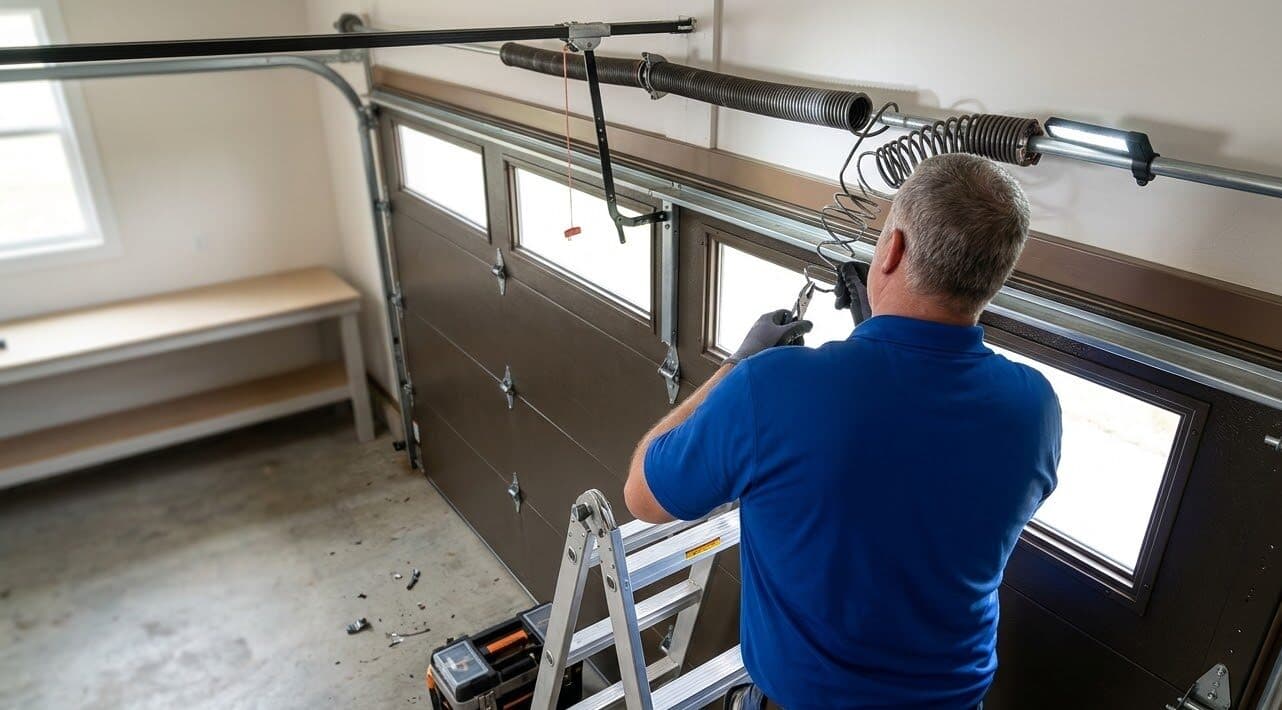
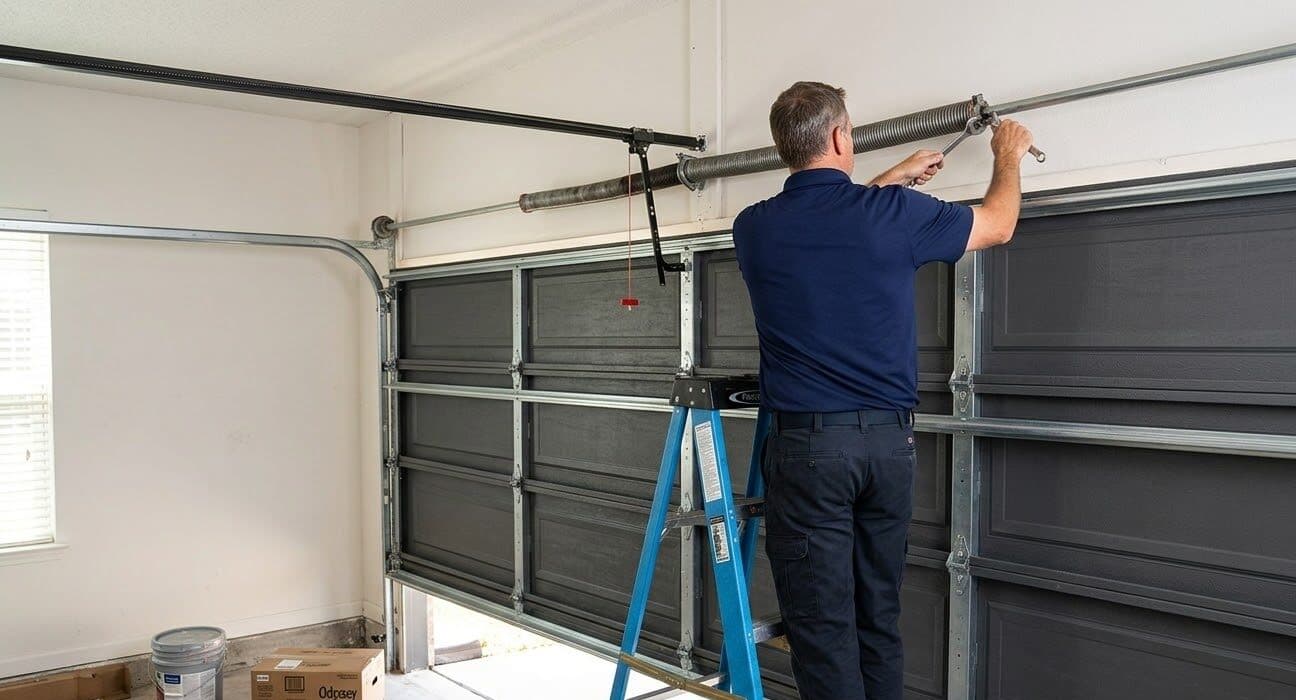
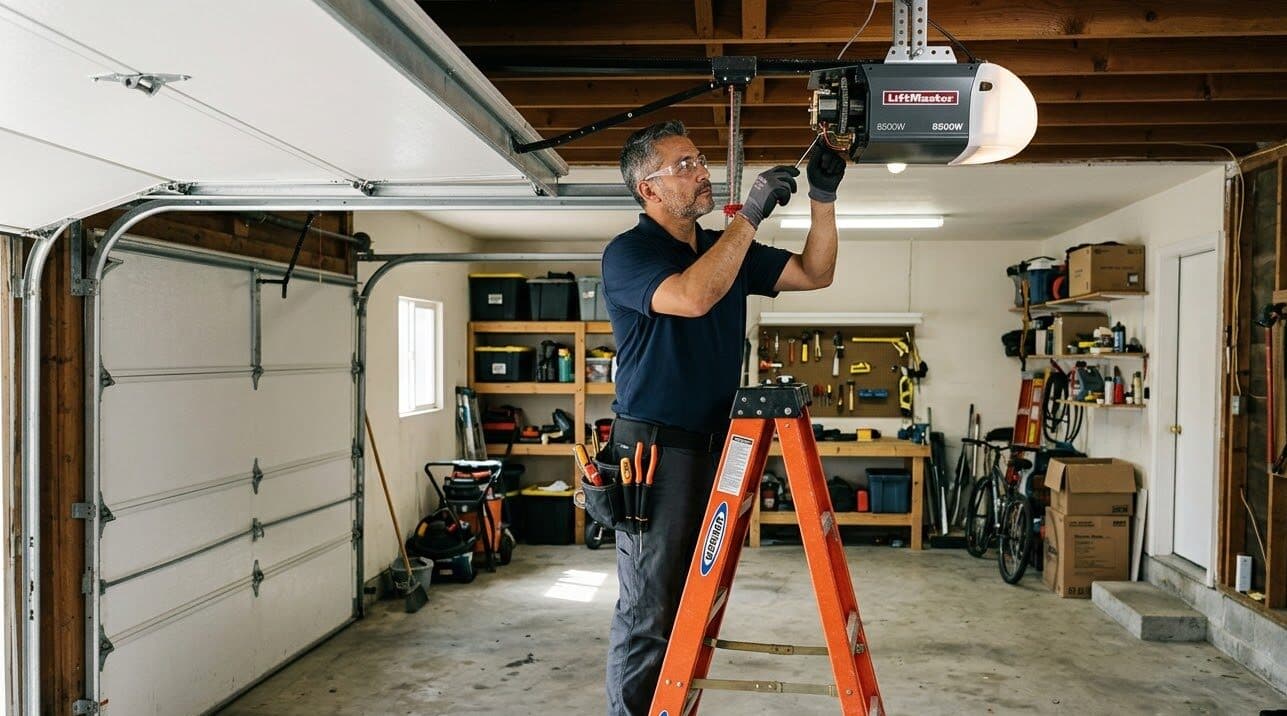
The labor side is a technician performing a defined tune-up: inspecting every component, lubricating moving parts with the correct products, testing door balance, testing the safety reversal and photo-eye systems, tightening hardware that vibration has loosened, and adjusting opener force and travel settings. That work is real, it takes a trained person, and it is priced accordingly.
The commercial side is usually where the money is. Typical plan terms include priority scheduling when something does break, a discount on parts, and sometimes a waived or reduced service call fee. Rocket Garage Door Services structures its Polk County plan this way, with maintenance customers receiving priority scheduling for repairs and discounts on parts, and recommends servicing twice a year in Florida: once before hurricane season in May and once after in November. The details of what the visit covers sit under the preventive maintenance plan.
Read that list again and notice what is not on it. A plan does not make parts last forever, it does not cover the cost of a spring that reaches its cycle limit, and it does not stop a storm from bending a panel. It shifts probability and it shifts price, and the value depends entirely on the size of what it is shifting.
The Cost of What You Are Insuring Against
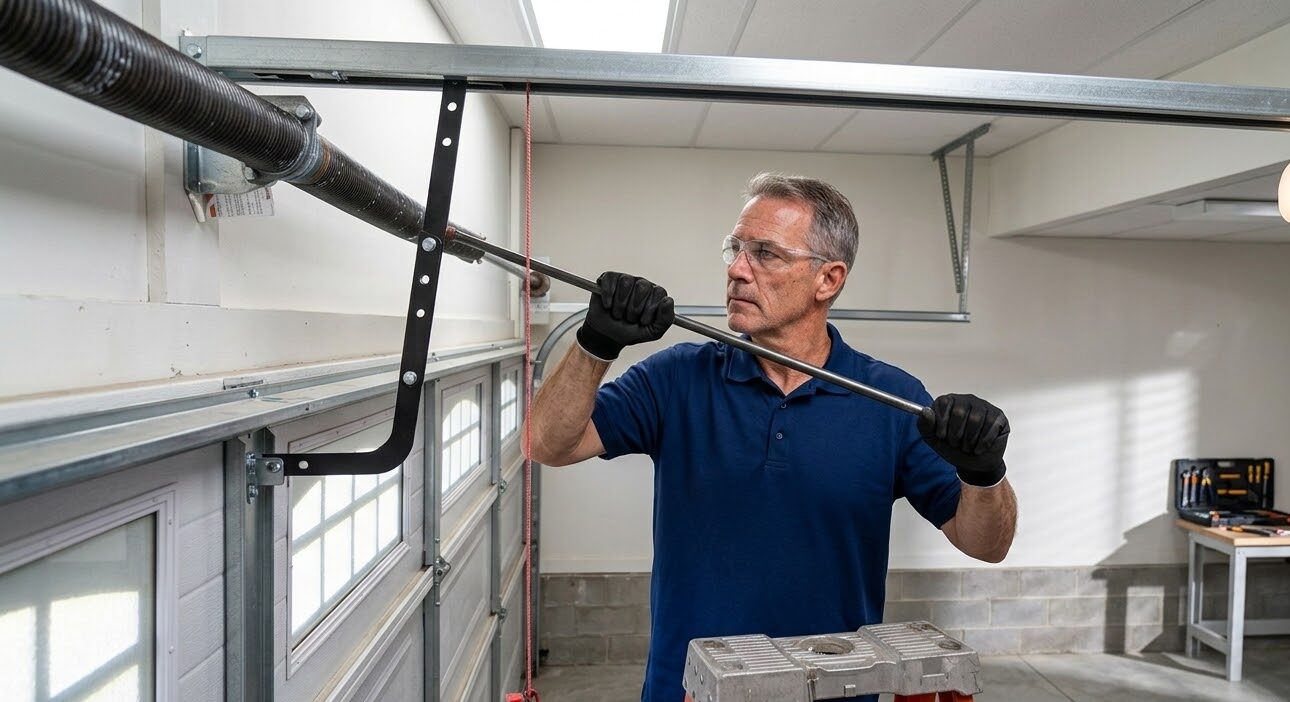
Here is the failure side of the ledger, using both national 2026 figures and Polk County pricing.
- Torsion spring, single: nationally $150 to $350 installed. In Polk County an emergency spring replacement runs $250 to $350, and $450 to $600 for a matched pair. Springs almost always get replaced in pairs on a two-spring door, because a partner spring at the same age is next.
- Average repair, all types: about $400 across Polk County when parts and labor are combined. That average covers spring replacement, cable repair, roller swaps and opener troubleshooting.
- Minor work: under $100 for things like sensor realignment or remote reprogramming.
- Major work: $500 or more for a full torsion spring system or a damaged panel.
- Labor: $75 to $150 per hour in Central Florida, with most repairs taking 30 minutes to two hours.
- Emergency premium: most Polk County companies add $50 to $100 for emergency, weekend or after-hours work. Rocket does not, so the same repair costs the same at 10 p.m. Saturday as at 10 a.m. Tuesday. That matters for this calculation, because in a market where emergency premiums are standard, part of a plan's value is dodging a surcharge you would not otherwise pay.
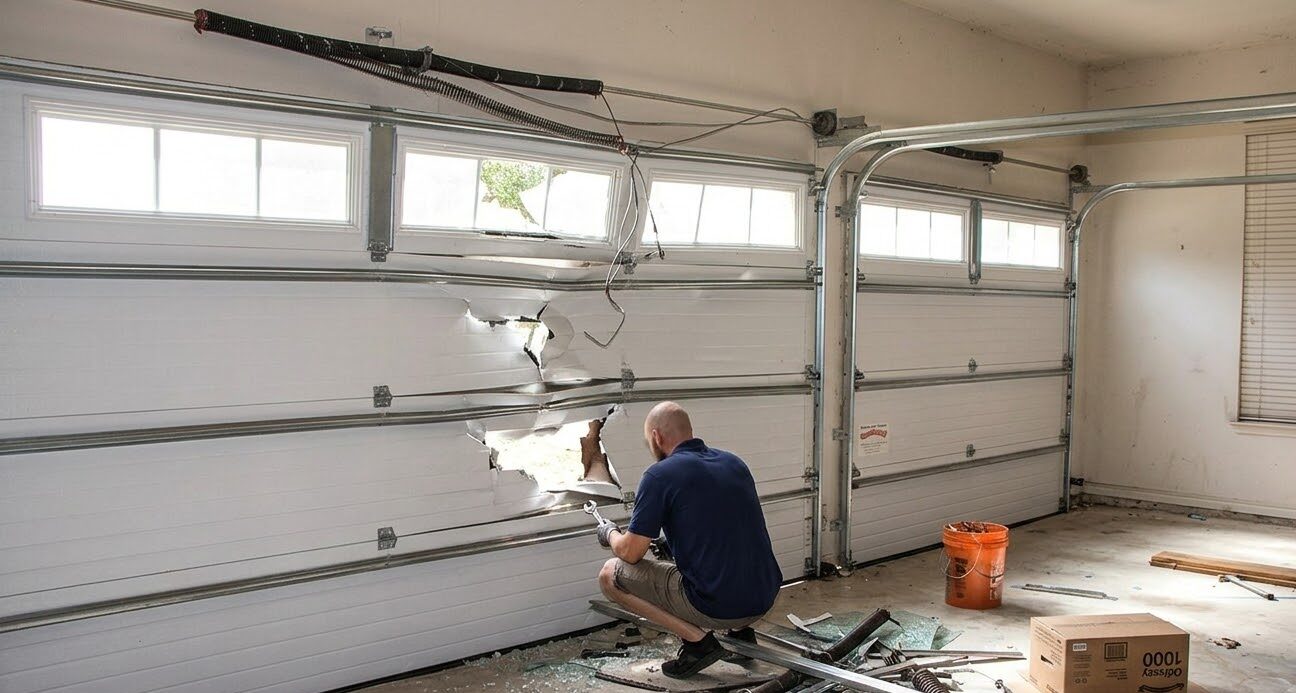
Now the number people quote and should stop quoting. The idea that a maintenance plan saves you from an $1,800 failure does not survive contact with these figures. A spring is not an $1,800 event; it is a $250 to $600 event. You reach $1,800 by stacking things: an opener replacement plus a spring set plus cables plus a panel, or a door replacement after a failure damaged something structural. That happens, and it happens more often to doors that were never serviced, but the honest framing is that a plan protects against a $250 to $600 event that recurs, not a single catastrophic one.
The Cycle Math: Why Florida Doors Age on a Schedule

Garage door components do not wear by calendar, they wear by cycle. One cycle is the door opening and closing once. Torsion springs are typically rated for 10,000 to 20,000 cycles and last roughly 7 to 14 years in service.
A typical Polk County household cycles its door somewhere around 1,000 to 1,500 times a year. Divide a 10,000-cycle spring by 1,250 cycles a year and you get about eight years. That is the entire prediction, and it is why spring failures cluster: the door was installed with the house, everybody in the neighborhood cycles at about the same rate, and the springs on the street start failing in the same two-year window.
The multiplier nobody accounts for is household size and habits. A family of five with two drivers, a teenager and a home gym in the garage can double that cycle count without noticing, which takes an eight-year spring down to four. If your door is the primary household entrance, assume you are on the fast schedule.
What maintenance does to that number is important and limited. It does not add cycles to a spring; the steel fatigues on its own schedule. What it does is make sure the spring is not doing more work than it was rated for. A door that is out of balance, running on dry bearings, or dragging on a misaligned track forces the spring and the opener to compensate, and that consumes rated life faster than the specification assumed. That is the mechanism, and it is why balance adjustment is the single most valuable thing on a tune-up list.
What a Tune-Up Genuinely Prevents, and What It Cannot
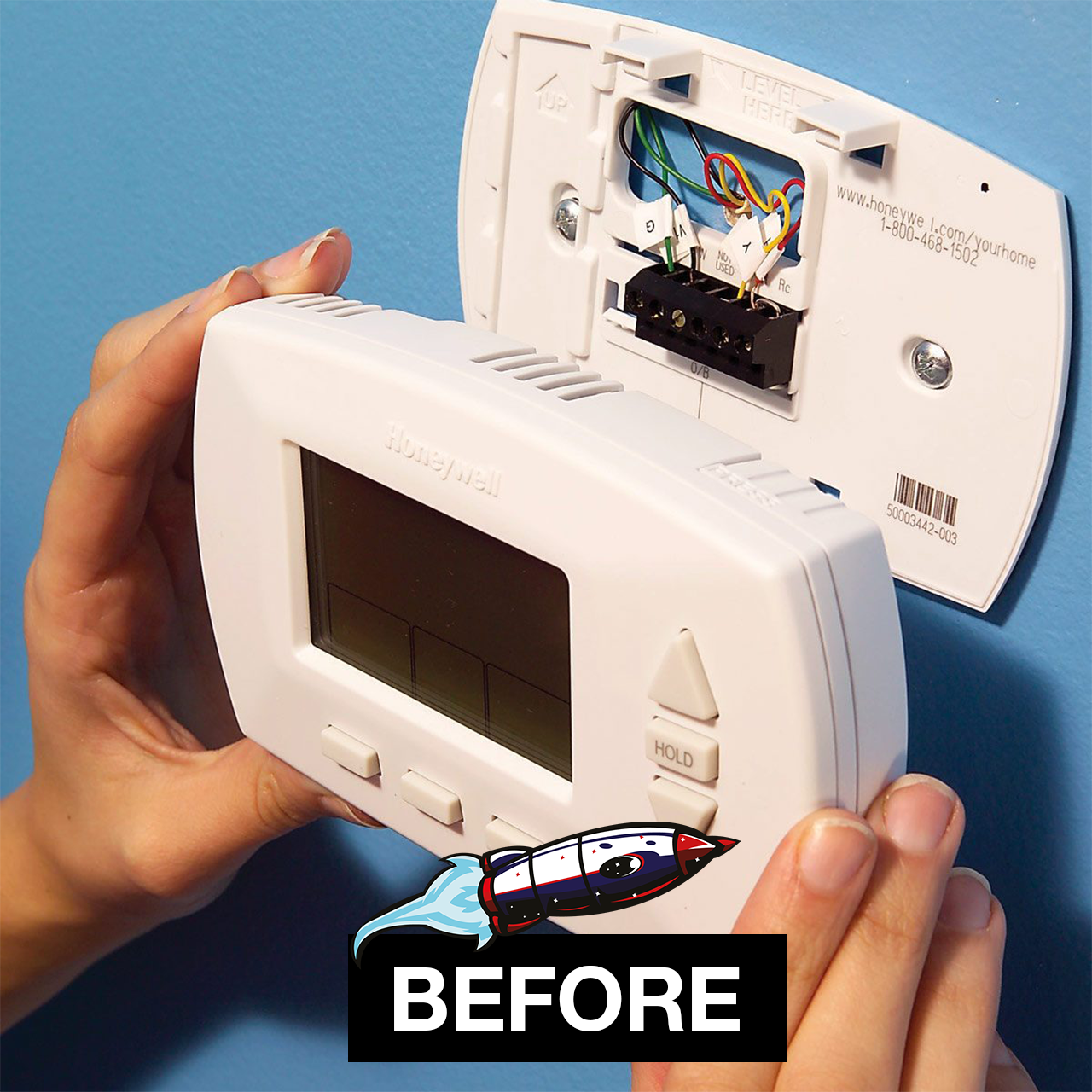
Being precise about this is the difference between a plan being worth it and being a subscription you forget to cancel.
Genuinely prevented or substantially delayed: premature spring and opener wear caused by imbalance, roller and bearing failure from lack of lubrication, cable fraying caught before it snaps, hardware loosening from vibration, opener strain from incorrect force settings, and weather seal failure that lets water and pests in. In coastal and humid Central Florida, corroding cables and deteriorating seals are the two items a twice-yearly visit catches most reliably.
Detected early, which is nearly as valuable: a spring approaching end of life shows itself in a balance test before it lets go. That converts an emergency into a scheduled appointment, and on a door that is your main entrance, the scheduling difference is worth real money and a real morning.
Not prevented at all: a spring reaching its rated cycle count, storm damage, a vehicle strike, power surge damage to opener electronics, and manufacturing defects. No plan changes these. Anyone selling one as though it does is overselling.
The safety items belong in their own category, because they are not economic. Photo-eye sensors and the auto-reverse function are life-safety features, and testing them is not optional whether or not you pay anyone. That test is covered in garage door safety sensors, and it takes about 30 seconds.
Seven Plan Clauses That Decide the Value
Two plans at the same price can differ by hundreds of dollars a year in what they actually deliver. These are the terms to read before signing.
- Visits per year. One or two. In Florida, two is the defensible answer because of the humidity and storm cycle, and a one-visit plan priced like a two-visit plan is the most common overcharge.
- What the parts discount applies to. Parts only or parts and labor. A 15 percent discount on parts alone is a much smaller number than most people assume, since labor is often the larger half of a repair invoice.
- Service call fee treatment. Waived, reduced or unchanged for plan members. This is frequently the largest single benefit and the least advertised.
- Emergency and after-hours terms. If the company charges a $50 to $100 after-hours premium to non-members and waives it for members, that is real value. If the company does not charge that premium to anyone, this benefit is worth zero and should not be part of your decision.
- Response time commitment. Priority scheduling should mean a stated window, not a sentiment. Ask what it is in writing.
- Term, auto-renewal and cancellation. Month-to-month versus annual, and what happens if you sell the house. A plan that auto-renews and does not transfer is a subscription with a trap in it.
- Documentation. A written condition report after each visit, listing what was measured and what is trending. Without it you have no way to know whether the visit happened properly, and no record if a warranty claim ever depends on maintenance history.
Running the Break-Even
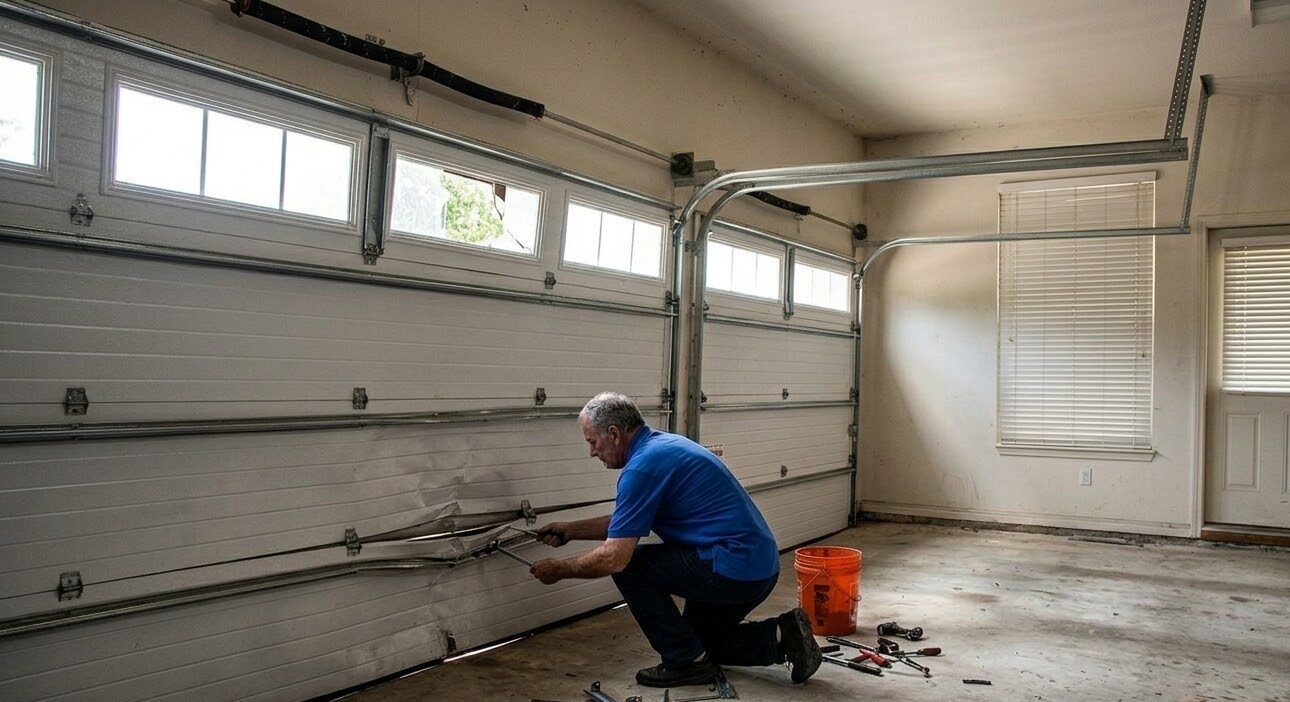
The calculation is not complicated once the terms are on the table. Take the annual plan cost. Subtract what you would pay for the same tune-up purchased one time at full price, since you were arguably going to buy that anyway. What remains is the premium you are paying for priority, discounts and fee treatment. Then ask whether the failure probability on your specific door makes that premium a reasonable bet.
Three factors move the probability, and they are all knowable:
- Age against cycle count. Door under five years old with average use: low probability, and the plan is mostly buying preservation. Door at eight to twelve years with heavy use: high probability, and the plan is buying triage.
- Whether it is the primary entrance. A door you enter through four times a day is on a different schedule than a door that opens on weekends, and the consequence of it failing is also different.
- Environmental exposure. Salt air, standing humidity and hard storm exposure accelerate cable corrosion and hardware degradation. That is a Florida-specific accelerator, and it is covered in salt air corrosion on Florida garage doors.
A workable rule of thumb: if the plan premium over a one-time tune-up is less than roughly a third of the cost of one average repair, and your door is past year six or gets heavy use, the plan is a straightforwardly good bet. If the premium approaches the cost of an average repair and your door is new and lightly used, you are buying convenience rather than savings, and that is a fine thing to buy on purpose but a bad thing to buy by accident.
When a Plan Is Clearly Worth It
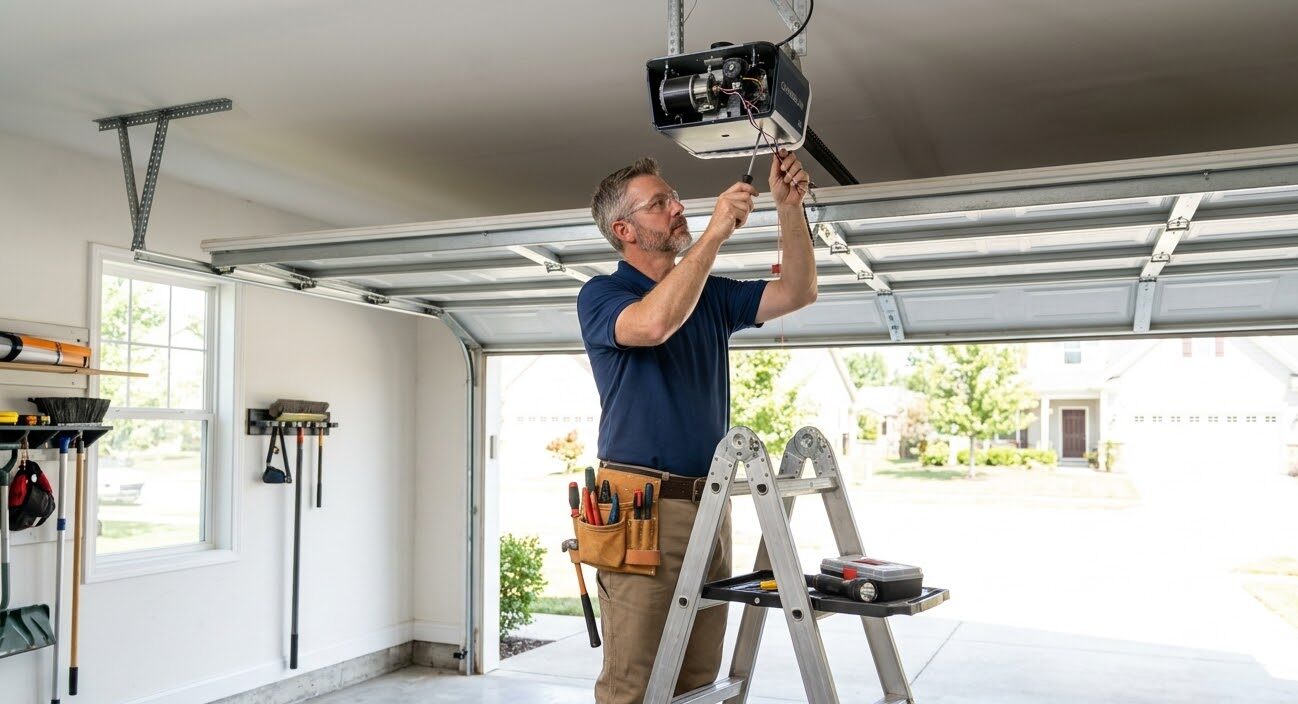
- The garage is the primary entrance to the house. Cycle count is high, and a failure locks a vehicle in or out on the day it happens.
- The door is between eight and fifteen years old. This is the window where original springs, rollers and opener components all reach end of life within a few years of each other.
- Nobody in the household is going to do the maintenance otherwise. This is the honest one. A plan that gets performed beats a checklist that does not.
- Rental or second properties. Nobody is checking a door balance at a property they visit twice a year, and a failure there is discovered late and costs more.
- Heavy insulated or custom doors. More mass means more spring work per cycle and more expensive components when something does fail.
- Coastal or high-humidity exposure. Corrosion is progressive and cheap to interrupt early.
When You Should Skip It
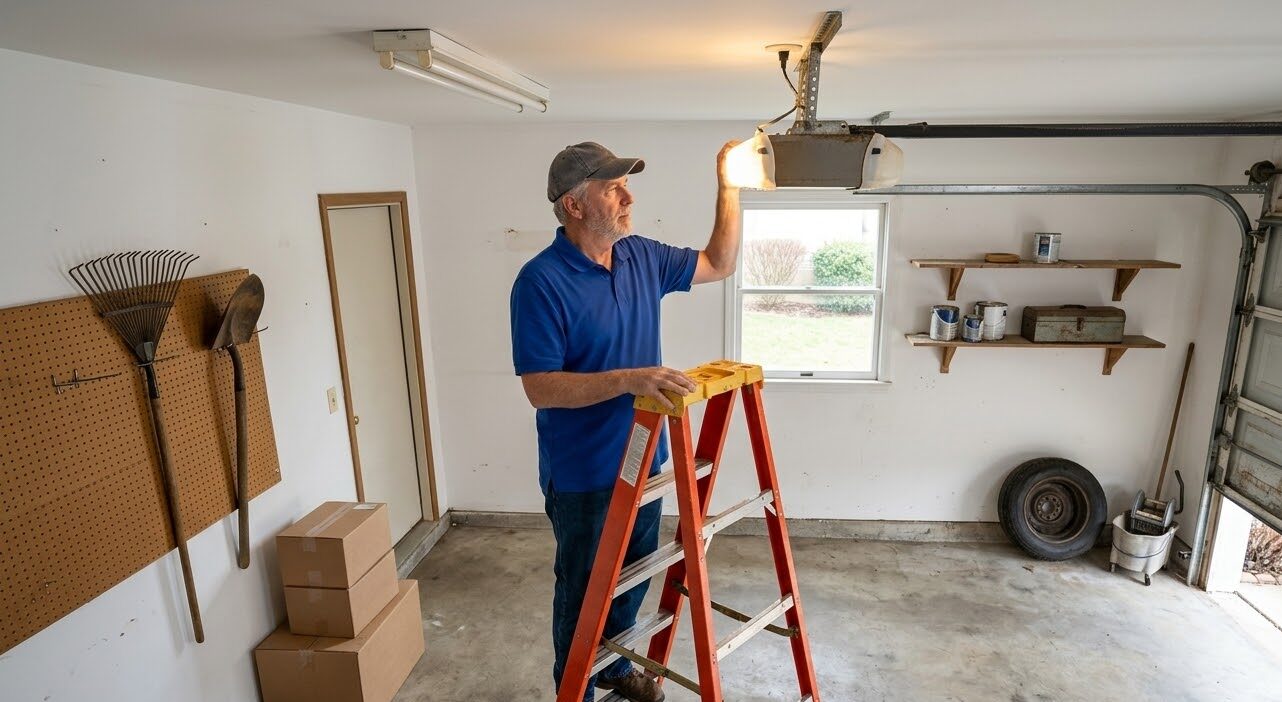
- The door and opener are under three years old and under manufacturer warranty. The failure probability is low and the warranty covers the defect category. Do the free safety tests yourself and revisit at year four.
- Light use, detached garage, secondary door. A few hundred cycles a year does not consume components fast enough to justify a recurring fee.
- You will genuinely do it yourself twice a year. Visual inspection, lubrication, balance test and safety reversal test are homeowner tasks. If you will actually do them, buy a single professional tune-up every other year and keep the difference.
- The plan does not include a written condition report. Without documentation you cannot verify what you bought.
- The door already needs repair. Fix it first, then decide about a plan. A plan is not a discount mechanism for deferred repairs, and signing one to get a parts discount on a repair you already need is usually worse arithmetic than just paying for the repair.
What to Ask Before You Sign
Six questions, and the answers should be immediate and specific. How many visits per year and in which months. What exactly is inspected, measured and adjusted on each visit. Does the parts discount extend to labor. Is the service call fee waived for members and what does it cost non-members. What is the stated response window for priority scheduling. And what is the term, does it auto-renew, and does it transfer if the house sells.
A company that answers all six in writing is selling a plan. A company that answers in adjectives is selling a subscription.
Rocket Garage Door Services runs maintenance, repair and installation across Polk County, seven days a week, with the same pricing whether the call comes at 10 a.m. Tuesday or 10 p.m. Saturday. If you want a technician to measure the balance and the spring condition on your door and tell you honestly which side of this calculation you are on, call (863) 624-3191 or use our contact page. Local service detail is at Lakeland and Winter Haven, spring work sits under spring replacement, and if a door is already down, emergency service is the faster path.