The Short Answer
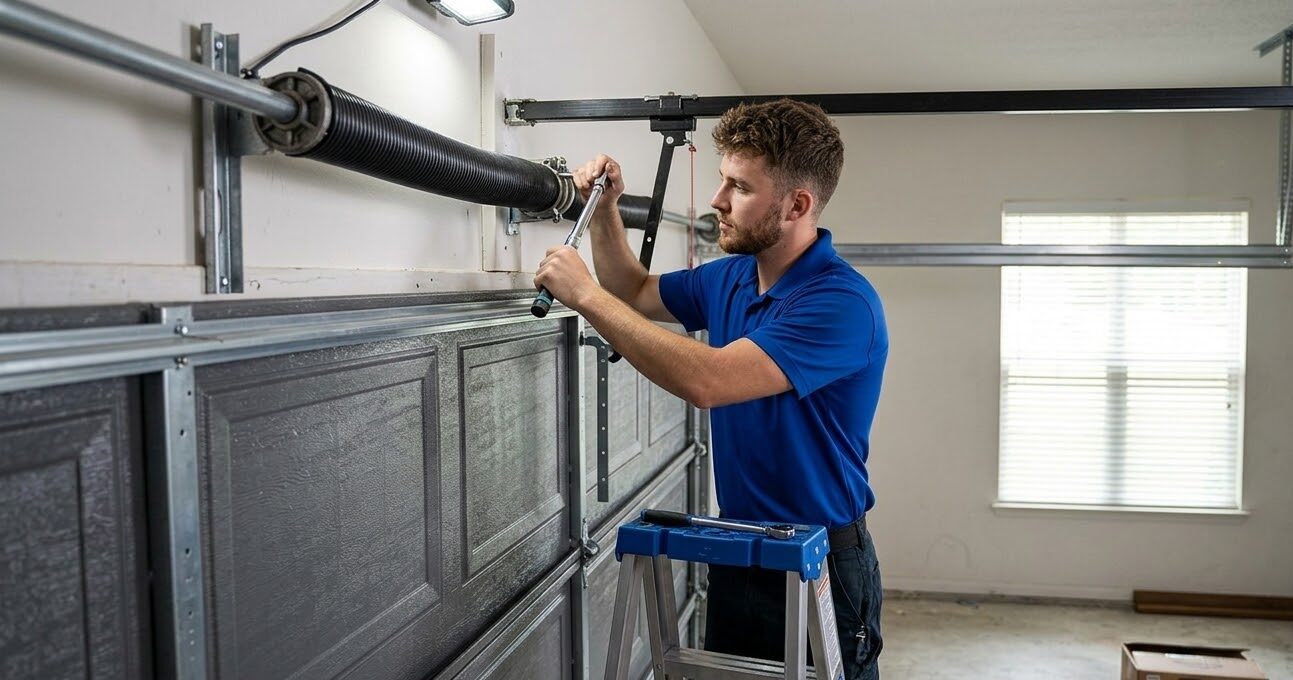
Yes, in almost every case. Replacing a garage door in Lakeland requires a building permit, and the new statewide exemption that took effect on July 1, 2026 does not change that for this specific type of work.
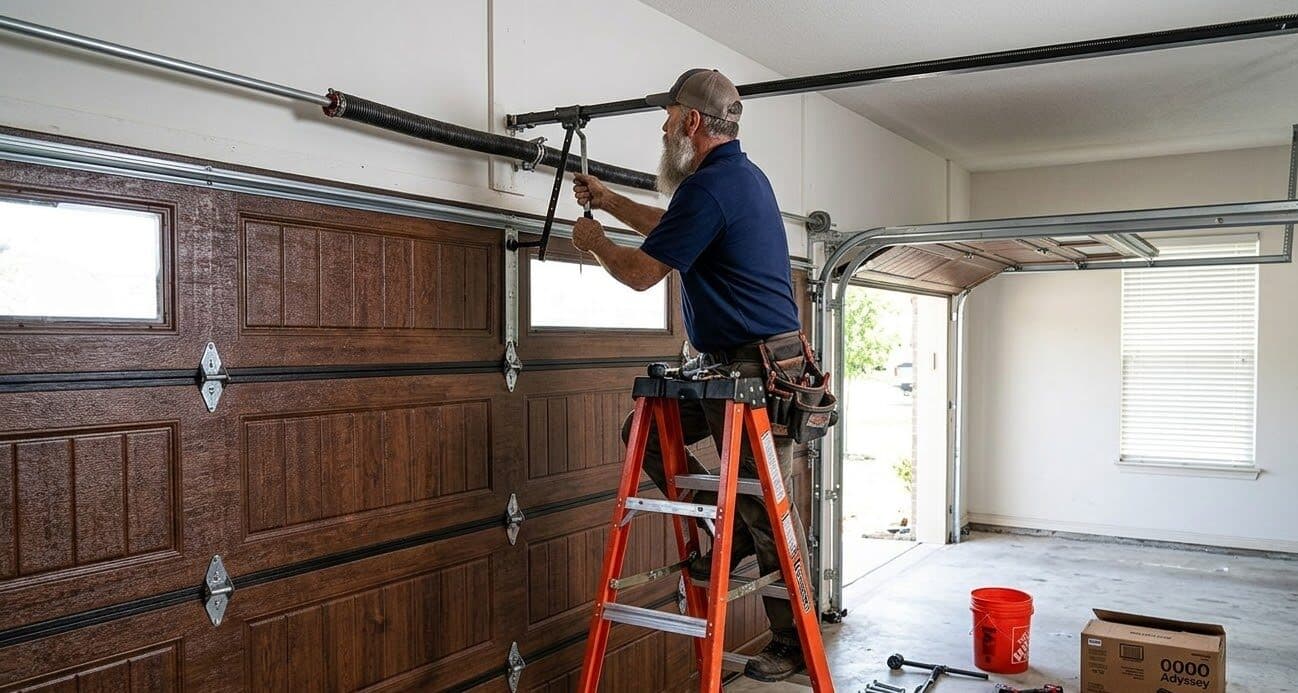
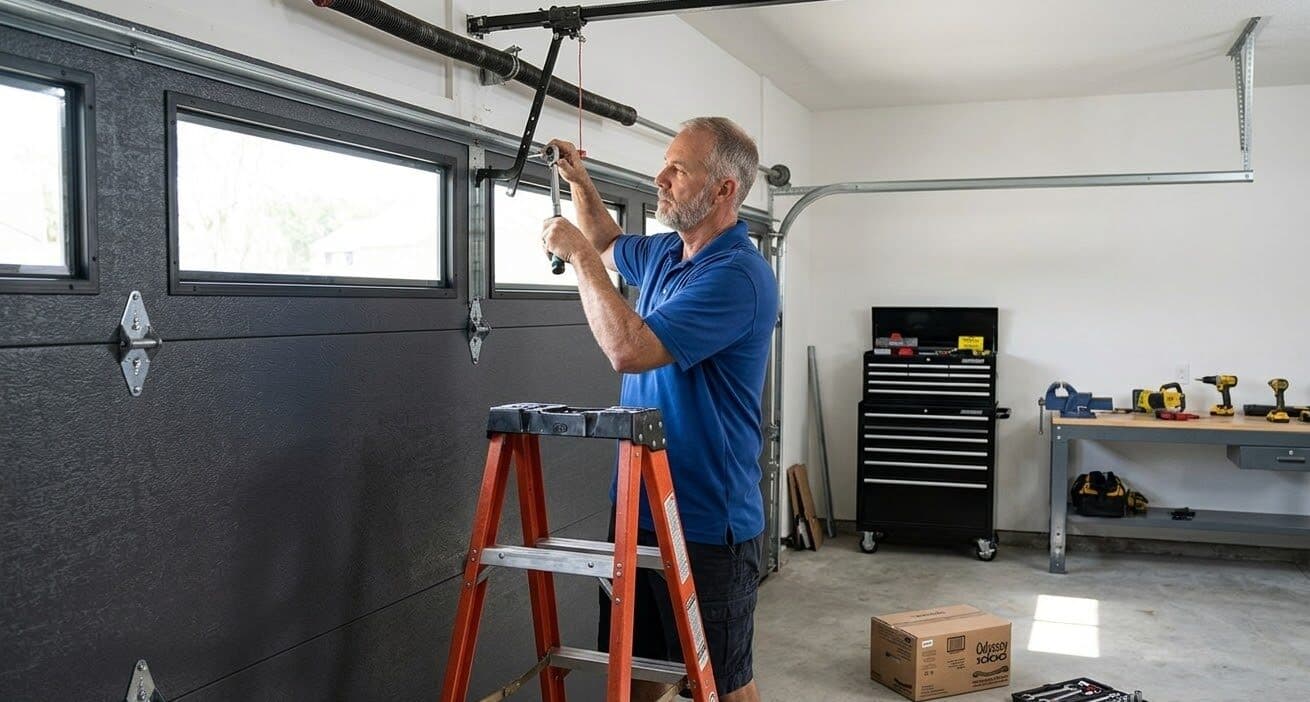
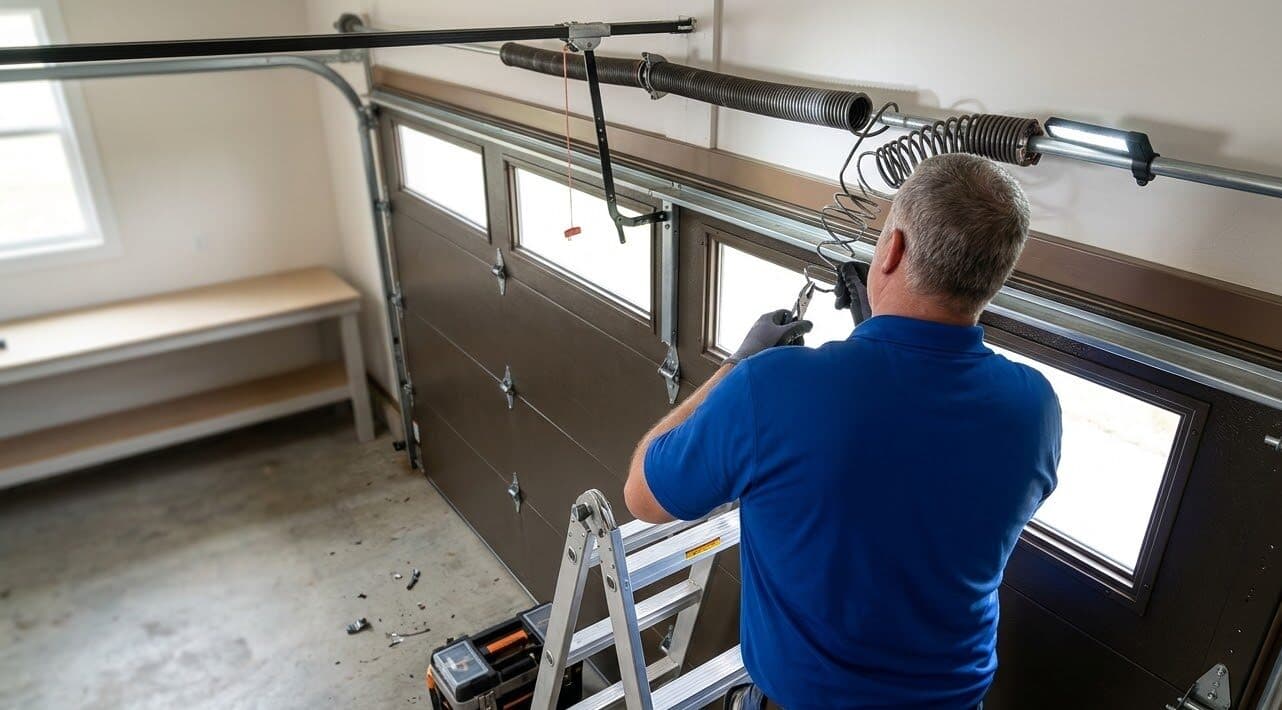
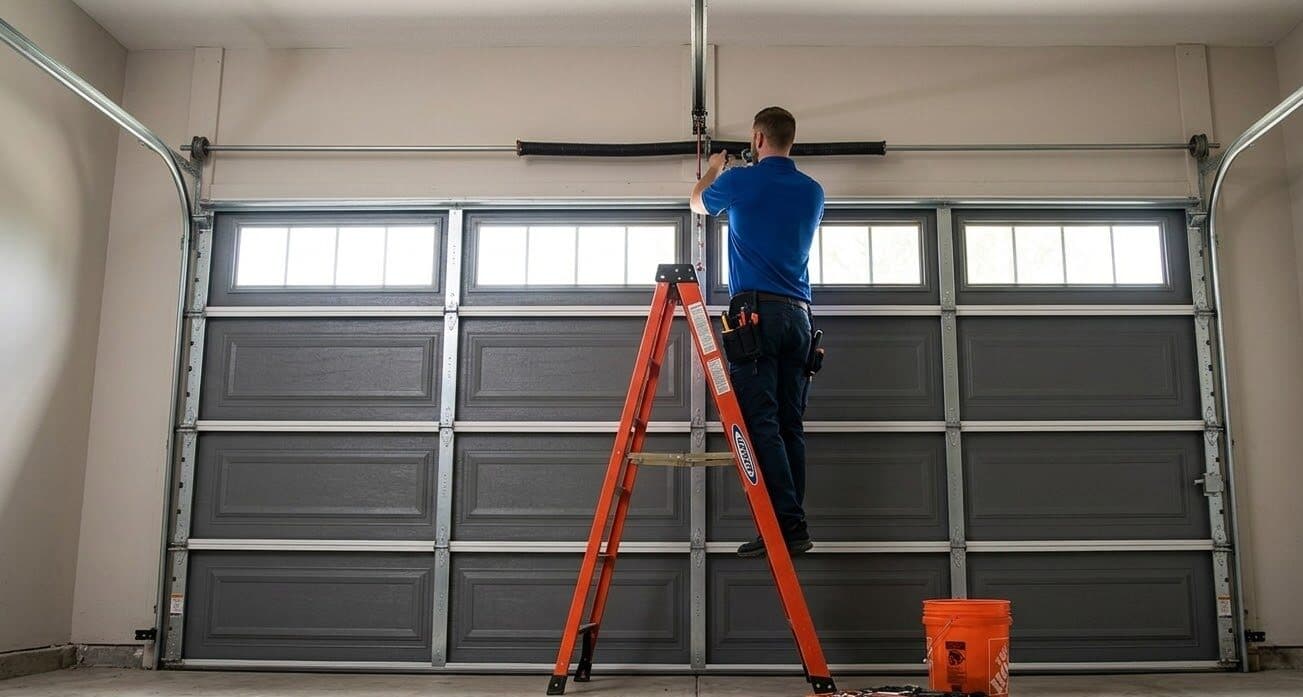
The reason is that a garage door in Florida is not a door in the ordinary sense. It is the largest opening in the wall of your house, it is engineered to resist wind load, and the building code treats it as part of the structure that keeps the roof attached during a storm. Work on that assembly is structural work, and structural work is one of the categories the new exemption explicitly does not reach.
The rest of this explains the details, because the details are what protect you at resale and at claim time.
What Changed on July 1, 2026
The Florida Legislature passed HB 803, enrolled as Chapter 2026-63, Laws of Florida, titled Building Permits and Inspections. It amends the state permitting statutes and took effect July 1, 2026.
The headline provision requires local governments that issue building permits to exempt the owner of a single family dwelling, or the owner's contractor, from obtaining a building permit for repair or replacement work totaling $7,500 or less. That is a genuine and significant change, and for a lot of ordinary home improvement work it will save Polk County homeowners real time.
The exclusions are where garage doors run into trouble. The exemption does not apply to:
- Structural work of any kind, regardless of cost. Not capped at $7,500. Excluded outright.
- Electrical, plumbing, mechanical, or gas work, which remain permit work at any value.
- Property in a FEMA flood hazard area, in whole or in part.
- Property in the High Velocity Hurricane Zone, which is Miami-Dade and Broward and does not apply here.
- Buildings with four or more units.
Two more provisions matter. The law prohibits dividing a larger project into multiple smaller projects to get under the $7,500 threshold, so pricing the door and the opener and the track as three separate jobs is expressly not a strategy. And the exemption is not automatic: the owner or contractor still submits a written request for exemption to the local enforcement agency, with documentation of the nature and value of the work. It is a different process, not the absence of one.
Why a Garage Door Is Structural Work
This is the part that surprises homeowners who think of a garage door as a large appliance bolted to a wall.
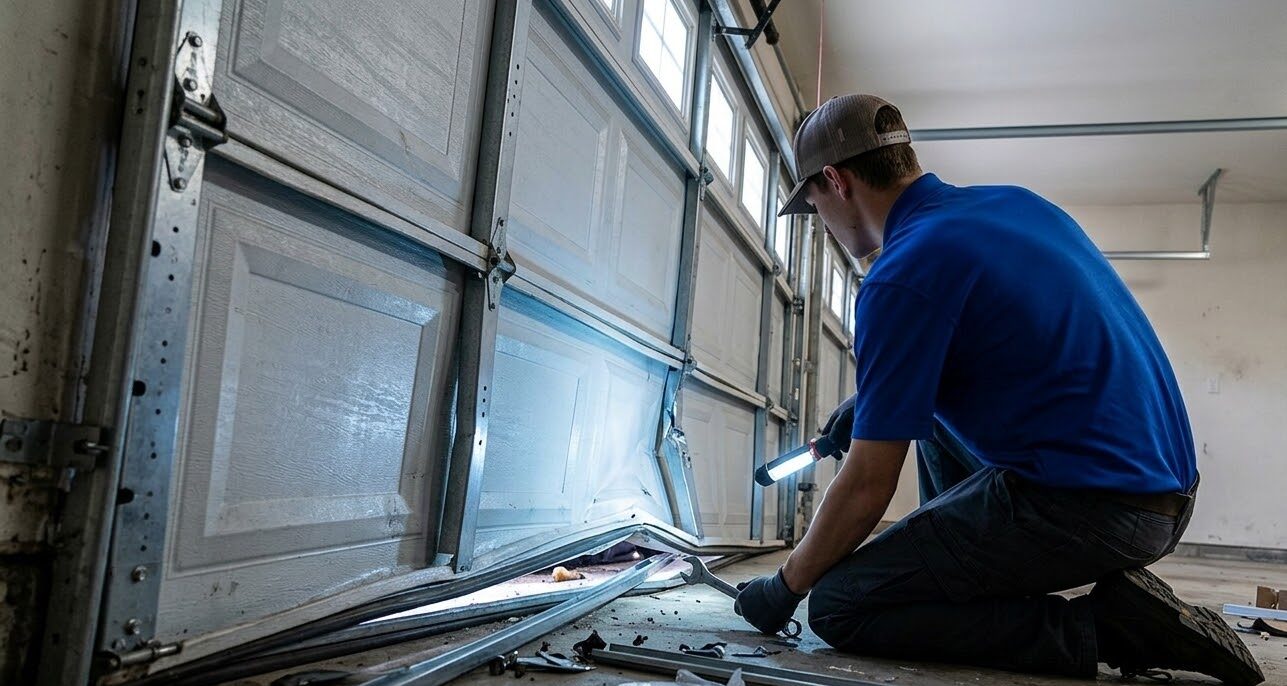
The Florida Building Code assigns every garage door a required design pressure based on the wind speed at your address, the exposure category, the height of the building, and where the door sits on the wall. Those minimum design pressures come out of FBC Tables 1609.7(1) and 1609.7(2) in the 8th Edition, which is the code currently in force. A door has to be tested and rated to hold that pressure, both positive and negative, and the rating covers the whole assembly: panels, track, hinges, rollers, and the anchorage into the jamb and the header.
The reason the code cares this much is well established in post storm engineering. When a garage door fails in a hurricane, the house does not simply lose a door. Wind enters the garage, internal pressure builds against the underside of the roof structure while external suction pulls from above, and the failure sequence frequently ends with the roof. That is why opening protection is treated as a load path question rather than a finish question, and we walked through the physics and the ratings in detail in our guide to hurricane rated garage doors and Florida code.
On top of the pressure rating, Florida requires product approval. Under Florida Statute 553.842, every garage door installed in the state has to carry a statewide product approval number or, in South Florida, a Miami-Dade Notice of Acceptance, and that number gets submitted with the permit application. That approval documentation is precisely the thing a permit exists to capture. Waive the permit and there is no record anywhere that the door on your house was ever rated for the pressure at your address.
So while the statute does not contain a line that says garage door, the analysis lands in the same place from two directions: the work is structural, and the code requires a product approval submittal that only the permit process collects.
Confirm Before You Assume, in Either Direction
Local enforcement agencies interpret and implement new state law, and HB 803 is two months old. Some Florida jurisdictions have published implementation guidance and some have not. That means the responsible move for a Lakeland homeowner is a phone call, not an assumption.
The City of Lakeland Building Inspection Division is at 228 S Massachusetts Ave, Lakeland FL 33801, and the number is (863) 834-6012. If your property is outside city limits, you are under Polk County rather than the city, and that is a different building department with its own process. Confirm which one has jurisdiction over your address before you apply anywhere.
What you are asking them is narrow and specific: whether your jurisdiction treats a garage door replacement as structural work excluded from the HB 803 exemption. That is a much better question than asking whether you need a permit for a garage door, because it is the question the answer actually turns on right now.
What the Application Requires

A garage door permit is a straightforward application, and a contractor who installs doors in Polk County regularly will have the documents on file already. The submittal generally includes:
- The Florida product approval number for the specific door model being installed, with the approval documentation showing the tested design pressure.
- The design pressure required at your address, derived from the code tables using your wind speed, exposure, and building height, with the door's rating meeting or exceeding it.
- Installation instructions from the manufacturer, since the pressure rating is only valid when the door is anchored the way it was tested.
- Contractor license and insurance information, or owner builder documentation if you are pulling it yourself.
- Job value and scope, which is what the permit fee is calculated from.
The item that trips up the most applications is a mismatch between the door's rating and the required pressure. A door rated for a lower pressure than your address demands will not pass, and the correct time to discover that is at quoting, not at inspection. Any legitimate quote should state the door's design pressure rating in writing. If you are not sure what is currently on your house, a garage door safety inspection will identify the existing door, its hardware, and whether the anchorage matches anything documented.
Who Can Pull It, and Why That Matters

Two paths exist in Florida. A licensed contractor pulls the permit in their name, or the homeowner pulls an owner builder permit for their own primary residence.
The owner builder route is legal and it is occasionally the right call. It also transfers responsibility. When a contractor pulls the permit, that contractor's license is attached to the work, their insurance covers the job, and any defect is their problem. When you pull it yourself, you are the responsible party for code compliance, for scheduling and passing inspection, and for anything that surfaces later.
There is a related warning worth stating plainly, because it is common in Polk County. If a company offers to install your door and asks you to pull an owner builder permit for work they are performing, that is a signal to stop. That arrangement moves liability off the installer and onto you, and it is frequently a sign the installer is not licensed to pull it themselves. Verify the license of anyone quoting the work.
Cost and Timeline
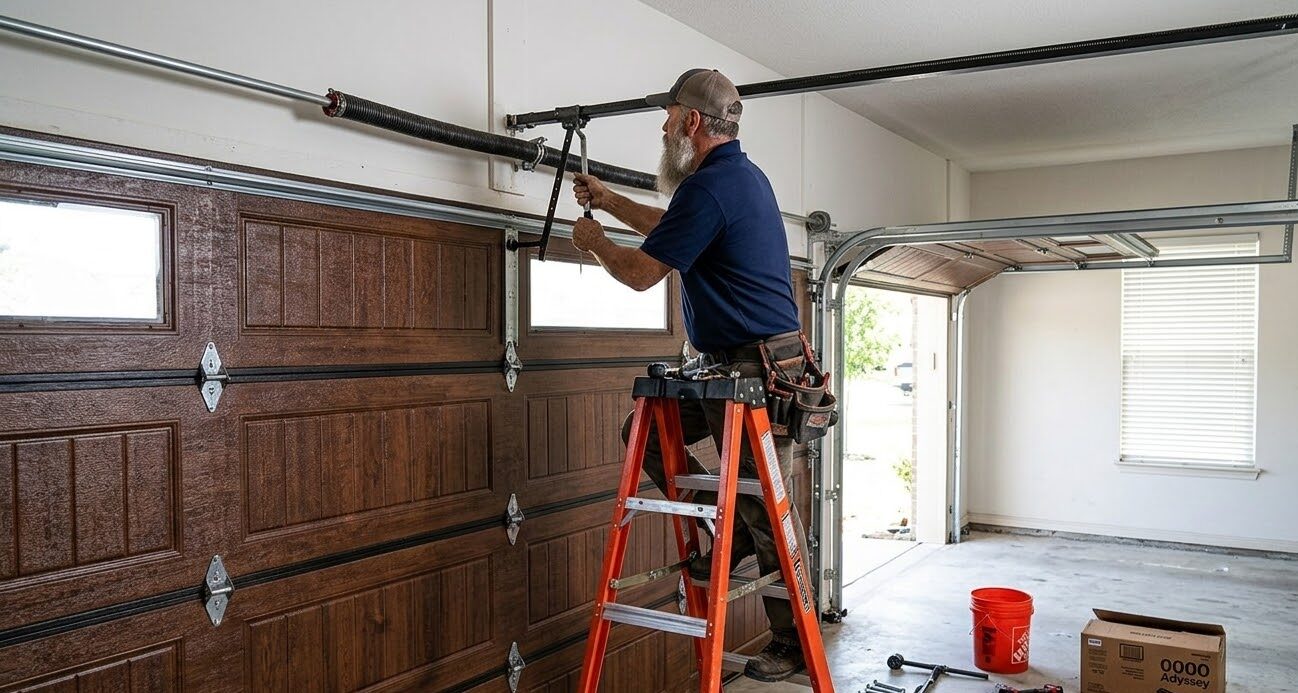
Permit fees for a residential garage door replacement in Central Florida are typically a modest fraction of the job, generally in the low hundreds of dollars, and they scale with declared job value. Fee schedules are set locally and change, so confirm the current number with the building department that has jurisdiction over your address rather than relying on a figure from an article.
On timeline, a garage door permit is one of the simpler applications a building department sees. It is a defined scope with standard documentation, not a plan review of a structure. In practice the schedule driver is usually door lead time rather than permit review, particularly on non stock sizes and custom finishes.
Note how this interacts with pricing. In our breakdown of what these doors cost, the mid range and premium tiers around $3,500 to $6,000 installed typically include the permit in the quoted price, while the entry tier around $1,200 to $1,800 sometimes does not. When you compare two quotes and one is meaningfully cheaper, checking whether permit and inspection are inside the number explains a fair share of the gap. So does whether the quote includes hauling the old door away and whether the track and hardware are being replaced or reused, which is the same reasoning we applied in painting versus replacing a Florida garage door. Worth knowing before you commit to a full replacement: when the door is sound and only one section is damaged, garage door panel repair keeps the existing rated assembly and its documentation intact, which is a materially different permitting conversation than swapping the whole door.
What Skipping the Permit Actually Costs
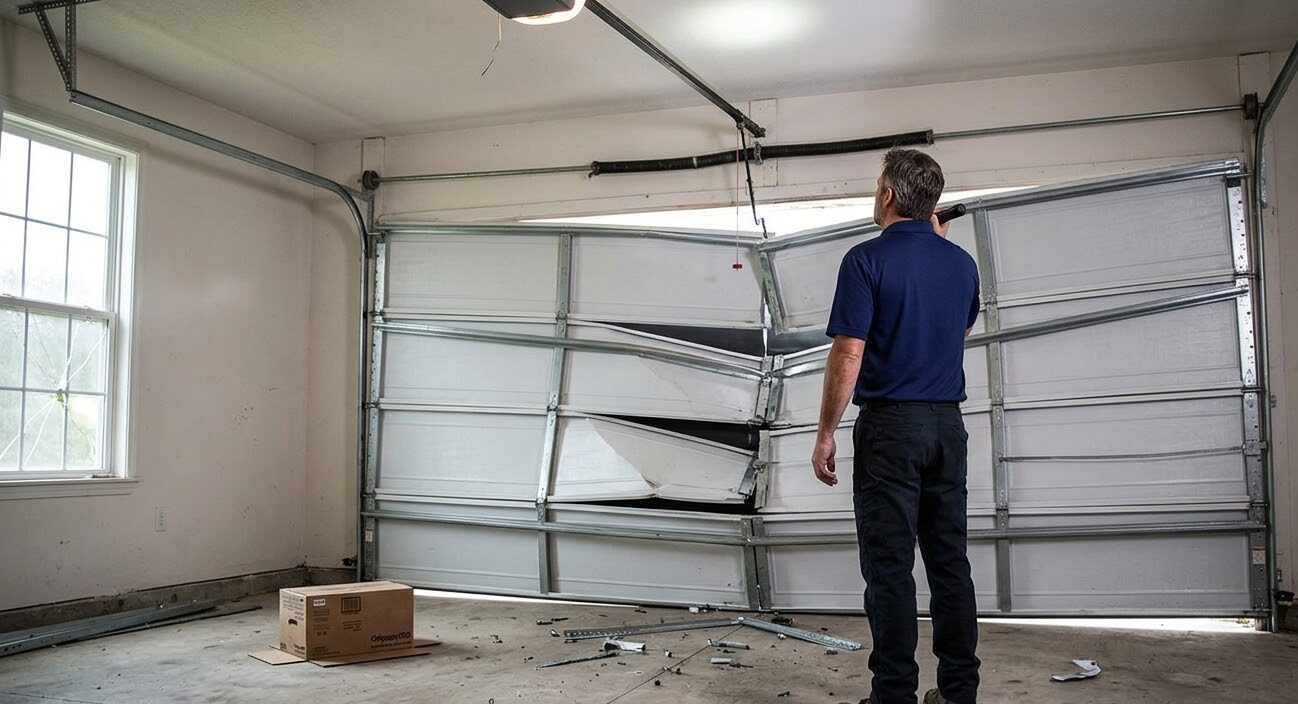
Unpermitted garage door work rarely creates a problem the week it is installed. It creates problems later, at three specific moments.
- At resale. Unpermitted improvements are a disclosure item and they surface in title and permit searches. The typical outcome is not that the sale collapses, it is that the buyer requires the work be permitted retroactively or credited at closing, on their timeline and with their leverage. Retroactive permitting on a completed installation is more expensive and more intrusive than permitting it the first time, because the inspector cannot see anchorage that is already covered.
- At the wind mitigation inspection. Florida insurers give credits for verified opening protection. A wind mitigation inspector documents what is actually installed and whether it meets the rating, and the permit record plus product approval documentation is the cleanest way to establish that. Without a paper trail, the credit is harder to substantiate and the discount you paid for may not appear.
- At claim time. After a wind event, the question of whether the door was installed to code and to its rated anchorage becomes a real question rather than a theoretical one. A permitted, inspected installation answers it. An undocumented one leaves it open, at exactly the moment you least want an open question.
None of these are certainties. All of them are avoidable for a few hundred dollars and an inspection appointment, which is a poor trade to lose.
What Is Actually Local About This

Lakeland sits inland in Polk County, and that geography changes the specification even though it does not change the permit answer.
The wind borne debris region, where impact resistance is required in addition to pressure rating, is defined by proximity to the coast at 130 mph and by an inland threshold at 140 mph. Lakeland, Auburndale, Bartow and Winter Haven are not coastal, which places many Polk homes outside the coastal trigger. That does not mean the inland trigger is automatically inapplicable, and it needs to be confirmed for your address rather than assumed in either direction. The practical consequence is that a Polk County homeowner is often correctly buying a pressure rated door rather than a more expensive impact rated one, and should be alert to anyone quoting Miami-Dade requirements on a Lakeland job.
The other local factor is HOA approval, which is a separate track from permitting and runs on its own calendar. Getting the permit does not get you architectural approval, and getting architectural approval does not get you the permit. Communities across Polk County have their own color and panel style rules, which we covered in the guide to HOA garage door rules in Florida. Start both processes at the same time, because running them in sequence is how a two week job becomes a two month one.
The Short Version

Florida's new $7,500 permit exemption took effect July 1, 2026 under HB 803, Chapter 2026-63. It is real, and it excludes structural work of any kind regardless of cost, along with electrical, plumbing, mechanical and gas work, flood hazard area properties, and buildings of four or more units. It also bars splitting a project to get under the threshold and still requires a written request for exemption.
A garage door is engineered opening protection with a code required design pressure and a mandatory Florida product approval number. That places it on the structural side of the line, which means a Lakeland garage door replacement still needs a permit despite costing less than $7,500. Confirm that with the City of Lakeland Building Inspection Division at (863) 834-6012, or with Polk County if your address is outside city limits, because the law is new and local implementation is what governs.
Have the contractor pull the permit rather than pulling an owner builder permit for someone else's work. Make sure the quote states the door's design pressure rating and whether permit and inspection are included in the price. The paperwork is worth more later than it costs now, at resale, at your wind mitigation inspection, and after the storm you have not had yet.
Rocket Garage Door Services installs and permits doors throughout Polk County, including Lakeland and the surrounding cities. If you want a quote that states the design pressure, the product approval number, and the permit line separately so you can actually compare it to another one, start with garage door installation or ask about hurricane reinforcement on a door you are keeping. Call (863) 624-3191.